





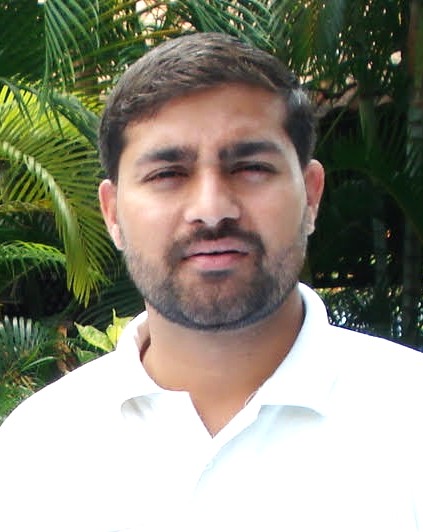
By Dr Zawwar Hussain
War is not only measured by bombs, bullets, and shattered buildings; it also leaves deep scars on human bodies, minds, public health, and the future of entire generations. Today, Gaza stands as a painful reflection of this reality. Millions of people, particularly children, are struggling not only with hunger, thirst, displacement, and the collapse of essential services but are also facing the rapid spread of infectious diseases. Among them, the growing outbreak of chickenpox (varicella) has emerged as yet another humanitarian tragedy demanding urgent global attention.
Thousands of displaced families are living in overcrowded temporary shelters and tent camps across Gaza. Rows of tents, limited access to clean water, inadequate sanitation, poor hygiene conditions, severe malnutrition, and the near-collapse of healthcare services have created an environment in which contagious diseases can spread rapidly. Under such circumstances, a highly infectious disease such as chickenpox can affect hundreds of children within a matter of days.
Chickenpox is a viral disease caused by the Varicella-Zoster virus. Its common symptoms include fever, itchy red blisters, fatigue, and general weakness. Under normal circumstances, most patients recover within a few weeks. However, for malnourished children, pregnant women, older adults, and individuals with weakened immune systems, the disease can become life-threatening. Serious complications such as pneumonia, encephalitis (brain inflammation), severe skin infections, and secondary bacterial infections may occur.
The situation in Gaza is especially alarming because it is already experiencing an unprecedented nutritional crisis. United Nations agencies and international humanitarian organizations have repeatedly warned that a large proportion of Gaza’s population is facing severe food insecurity, with many people unable to obtain the daily calories and essential nutrients required for survival. Without adequate protein, vitamins, minerals, and safe drinking water, the immune system weakens significantly, allowing otherwise manageable diseases to become serious public health threats.
From a geographical perspective, the Gaza Strip covers only about 365 square kilometers, making it one of the most densely populated areas in the world. Continuous conflict and repeated displacement have forced hundreds of thousands of people into increasingly limited spaces. Such extreme population density greatly accelerates the transmission of infectious diseases, making outbreaks far more difficult to control. Public health experts therefore consider Gaza highly vulnerable to epidemics.
The World Health Organization has consistently warned that shortages of clean water, vaccines, medicines, medical personnel, and functioning healthcare facilities are increasing the risk of numerous infectious diseases. Besides chickenpox, outbreaks of respiratory infections, skin diseases, diarrhoeal illnesses, hepatitis, measles, and other communicable diseases remain a serious concern. Whenever immunization systems are disrupted, the likelihood of disease outbreaks rises dramatically.
Images emerging from Gaza are heartbreaking. Children with bodies covered in painful red blisters, burning with fever, scratching irritated skin, weakened by malnutrition, and deprived of essential medicines represent far more than a medical emergency. They are a moral challenge to the conscience of humanity. These children are not parties to political conflicts; they are innocent human beings whose fundamental rights to life, health, education, dignity, and protection must be safeguarded.
Environmental geography reminds us that disease outbreaks during humanitarian crises are never solely medical issues. They are the result of an interaction between geographical, environmental, social, economic, and public health factors. When clean water is unavailable, sanitation systems collapse, food supplies diminish, healthcare infrastructure is damaged, and displaced populations are concentrated in confined spaces, infectious diseases become almost inevitable. Tragically, Gaza today embodies all of these risk factors simultaneously.
Malnutrition and infectious diseases create a dangerous cycle. Poor nutrition weakens the immune system, making individuals more susceptible to illness. Disease, in turn, further reduces the body’s ability to absorb nutrients, deepening malnutrition. This vicious cycle severely affects children’s physical growth, cognitive development, educational opportunities, and long-term health. Global research has consistently shown that childhood malnutrition can have lifelong consequences for educational achievement, economic productivity, and overall well-being.
Islam places the preservation of human life among its highest objectives. The Holy Qur’an teaches that saving one human life is as though one has saved all of humanity. This universal principle extends beyond nationality, ethnicity, or religion and serves as a timeless call for compassion. Likewise, the Prophet Muhammad (peace and blessings be upon him) emphasized mercy, feeding the hungry, caring for the sick, and helping those in distress as among the noblest acts of faith.
The need of the hour is for the international community to rise above political differences and respond on purely humanitarian grounds. Emergency access to food, safe drinking water, essential medicines, vaccines, nutritional supplements for children, temporary medical facilities, healthcare professionals, and psychosocial support must be ensured without delay. Disease surveillance, emergency vaccination campaigns, sanitation programs, and improved water supply systems are equally essential to prevent further outbreaks.
The Muslim Ummah also carries a profound moral and religious responsibility. Through Zakat, Sadaqah, charitable donations, and organized humanitarian initiatives, assistance can be extended to suffering families. The Organization of Islamic Cooperation (OIC), Muslim-majority countries, humanitarian organizations, universities, healthcare institutions, and civil society should strengthen coordinated efforts to support healthcare, nutrition, education, and emergency relief. At the same time, philanthropists, doctors, nurses, engineers, researchers, and humanitarian volunteers around the world can all contribute according to their abilities.
(The writer is a PhD scholar with a strong research and analytical background and can be reached at news@metro-Morning.com)
#Gaza #Palestine #HumanitarianCrisis #PublicHealth #GlobalHealth #Chickenpox #Varicella #Children #Healthcare #Malnutrition #InfectiousDiseases #WHO #UN #EmergencyRelief #FoodSecurity #CleanWater #Vaccination #HumanRights #MedicalAid #War #Conflict #MiddleEast #SaveChildren #Humanity #OIC #HealthForAll #GlobalSolidarity #MetroMorning #Opinion #Peace
