





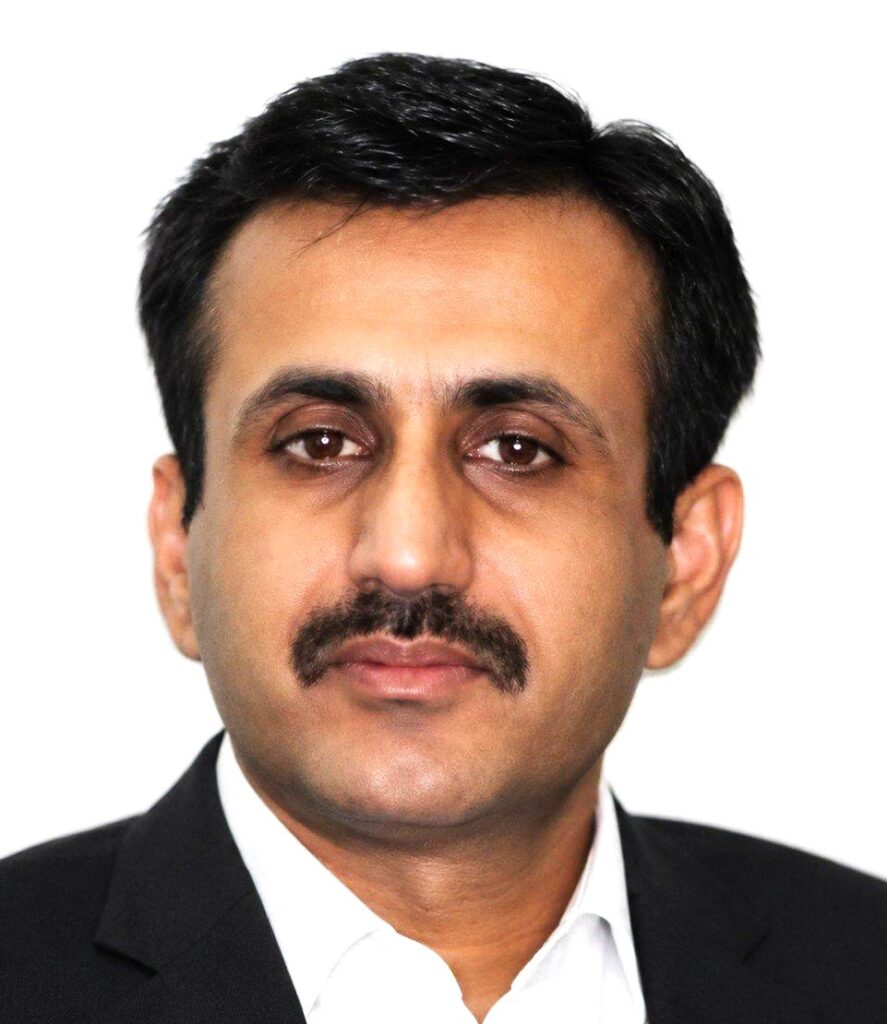
By Ali Nawaz Rahimoo
Artificial intelligence is no longer a distant concept confined to science fiction. It is rapidly becoming one of the most powerful forces shaping the modern world, transforming industries, economies and societies at a pace rarely witnessed before. From healthcare and agriculture to finance, manufacturing and education, AI is changing how people work, learn and make decisions. Across the globe, governments are redesigning their education systems to prepare young generations for a future where technology, creativity and innovation will define success. For Pakistan, this transformation presents both an opportunity and a warning. The country has one of the world’s largest youth populations, a resource that could become a powerful engine of economic growth.
But without urgent reforms in education, this demographic advantage risks becoming a missed opportunity. While many countries are preparing students for careers shaped by artificial intelligence, millions of Pakistani children continue to study through outdated textbooks, depend heavily on memorization and attend classrooms that remain disconnected from the demands of the digital age. The central question is no longer whether technology will change education. It already has. The real question is whether Pakistan’s education system is ready to change with it. Education has always been the foundation of national progress. Every successful economy has invested in knowledge, skills and innovation because a country’s future depends largely on the quality of its human capital.
Yet Pakistan’s education system has struggled to keep pace with technological advancement and the changing requirements of the global labor market. Despite several reform initiatives, many parts of the curriculum still reflect an older era, focusing more on the accumulation of information than the development of creativity, problem-solving and analytical abilities. The world of work has changed dramatically. In the past, students were rewarded for remembering large amounts of information. Today, information is available instantly through search engines, digital platforms and increasingly through artificial intelligence tools. The skills that matter most are no longer limited to recalling facts.
Employers are looking for people who can think critically, communicate effectively, collaborate with others, adapt to change and develop innovative solutions to complex challenges. Unfortunately, Pakistan’s examination system continues to place significant emphasis on rote learning. Students often spend years preparing for examinations by memorizing chapters rather than understanding concepts. This approach may help them achieve short-term academic results, but it does little to prepare them for a competitive global economy where flexibility and creativity are becoming essential. One of the most serious challenges facing Pakistan is the widening gap between education and employment.
Universities produce thousands of graduates every year, yet many struggle to find suitable jobs because their academic experience does not match workplace requirements. Employers frequently highlight the shortage of practical skills among young graduates, while students often discover after completing their education that their qualifications do not guarantee professional opportunities. The solution lies in redesigning education around the needs of the future. Artificial intelligence, coding, robotics, data literacy, cybersecurity, entrepreneurship and digital citizenship should become important components of mainstream education rather than specialized subjects available only in expensive private institutions. These skills are gradually becoming basic requirements for participation in the global economy.
However, introducing new subjects alone will not solve the problem. The method of teaching must also evolve. Modern education systems encourage students to question ideas, experiment, collaborate and apply knowledge to real-world problems. Classrooms are increasingly becoming spaces for discussion, research and creativity. In contrast, many Pakistani schools still rely on traditional one-way teaching methods where students listen, copy notes and prepare for examinations. This approach limits curiosity and discourages independent thinking. A student who is never encouraged to ask questions may struggle to become an innovator. A classroom that only rewards correct answers may fail to develop the imagination required to create new solutions.
This is why teacher development must become a national priority. Teachers are the most important link between education reform and classroom reality. They cannot be expected to prepare students for a technology-driven world without receiving modern training themselves. Regular professional development programs should equip teachers with digital skills, modern teaching techniques, project-based learning methods and improved assessment strategies. A trained teacher can create meaningful learning opportunities even in challenging conditions, while outdated teaching practices can limit progress even when resources are available. Investment in teachers is therefore not an expense but a long-term investment in the country’s future.
Technology must also play a greater role in Pakistan’s classrooms. Digital learning tools, online resources, virtual laboratories and interactive teaching methods have already changed education in many parts of the world. While blackboards and textbooks have served generations of students, they cannot remain the only tools in an age dominated by technology. Modernizing classrooms does not mean replacing traditional methods overnight. Pakistan can adopt a practical and gradual approach by improving electricity access, expanding internet connectivity, providing affordable digital devices and developing locally relevant educational content. Even simple technological interventions can make a significant difference when combined with effective teaching.
(The writer is a social development professional. He can be reached at editorial@metro-morning.com)
AI #ArtificialIntelligence #Education #FutureOfEducation #PakistanEducation #EdTech #DigitalLearning #AIInEducation #EducationReform #DigitalSkills #Coding #Robotics #DataLiteracy #Cybersecurity #Entrepreneurship #DigitalCitizenship #TeacherTraining #LearningInnovation #CriticalThinking #ProblemSolving #STEMEducation #Youth #HumanCapital #FutureSkills #Employment #Technology #ClassroomInnovation #Pakistan #EducationTechnology #MetroMorning
