





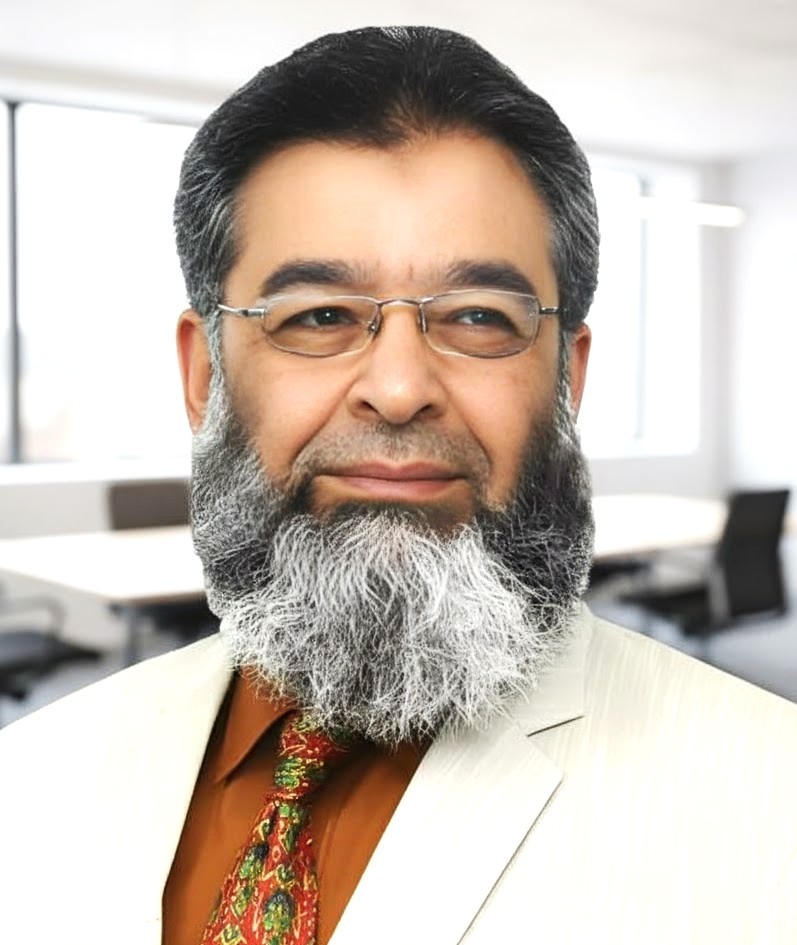
By Muhammad Mohsin Iqbal
Pakistan’s story has always been closely linked with a powerful sense of identity, faith and collective purpose. From the earliest days of the independence movement, the slogan “What does Pakistan mean? La ilaha illallah” became a defining expression of the aspirations of millions of Muslims of the Subcontinent who sought a separate homeland where they could preserve their religious, cultural and political identity. When Pakistan appeared on the world map on 14 August 1947, it was not merely the outcome of a political struggle but the fulfilment of a vision shaped by the leadership of Quaid-e-Azam Muhammad Ali Jinnah and the intellectual guidance of Allama Muhammad Iqbal.
The creation of Pakistan, however, was followed by a period of immense uncertainty. The new state inherited limited resources, faced the enormous challenge of settling millions of migrants and had to confront questions about its survival from both within and outside the country. Critics predicted that Pakistan would struggle to maintain its existence. Yet, despite these challenges, the country endured. Like a nation navigating through difficult waters, Pakistan relied on resilience, determination and the commitment of its people to overcome the crises that threatened its early years.
One of the defining moments in Pakistan’s diplomatic history came in February 1974, when Lahore hosted the Second Islamic Summit Conference. The gathering brought together leaders from 38 Muslim countries, including Saudi Arabia’s King Faisal, Egypt’s Anwar Sadat and Libya’s Muammar Gaddafi. Under the leadership of Prime Minister Zulfikar Ali Bhutto, the summit provided a platform for Muslim countries to demonstrate collective strength at a time when the Islamic world was facing political and strategic challenges following the 1973 Arab-Israeli war.
The Lahore summit was more than a diplomatic event. It reflected the idea that Muslim nations could address common challenges through cooperation and shared responsibility. It strengthened Pakistan’s role as a bridge between different regions of the Muslim world and established its reputation as a country willing to advocate for collective action on issues affecting the wider Islamic community.
Over the decades, Pakistan has continued to play a significant role in regional security and stability. Its relationship with Saudi Arabia has remained one of the most important pillars of its foreign policy. Pakistani personnel have served in Saudi Arabia since the 1970s in training, advisory and security roles, reflecting a longstanding partnership built on mutual trust and strategic cooperation. This relationship has extended beyond defence cooperation, encompassing economic, cultural and diplomatic ties.
Pakistan’s defence capabilities and strategic importance have often placed it at the center of regional security discussions. With one of the largest standing armies in the world, significant military experience and a growing defence industry, Pakistan has sought to contribute to peace and stability rather than merely project power. Its development of indigenous platforms, including the JF-17 fighter aircraft, reflects efforts to strengthen self-reliance in defence technology.
In recent years, Pakistan has attempted to expand its role as a diplomatic actor by encouraging dialogue and supporting peaceful solutions to regional disputes. Its engagement with Gulf countries, Turkey and other partners demonstrates an effort to build a network of cooperation based on shared interests. The country’s strategic location, connecting South Asia with the Middle East and Central Asia, gives it unique potential to serve as a platform for economic integration and regional connectivity.
However, the pursuit of a greater role for Pakistan and the wider Muslim world requires more than military strength or diplomatic influence. The challenges facing Muslim countries are complex. Political differences, economic inequalities, internal instability and external pressures have often limited efforts towards deeper cooperation. Any vision of greater unity among Islamic countries must therefore be built on practical collaboration, economic development, institutional strength and mutual respect.
The idea of stronger cooperation among Muslim nations remains an aspiration shared by many. While comparisons with alliances such as the European Union or NATO may highlight the possibilities of collective action, the realities of history and politics make such arrangements difficult. A successful framework would require patience, trust and a commitment to resolving differences through dialogue rather than division.
For Pakistan, the path ahead depends on balancing its ideological foundations with the demands of a changing world. Economic progress, political stability, good governance and technological advancement will determine its ability to fulfil a larger regional role. A strong economy and stable institutions are essential if Pakistan is to translate its strategic importance into lasting influence.
Pakistan’s journey since independence has been marked by extraordinary challenges and remarkable resilience. The country’s identity has been shaped by its history, its sacrifices and its determination to survive against difficult odds. As it moves forward, Pakistan carries the aspirations of more than 250 million people and the responsibility of contributing positively to regional and global peace.
(The writer is a parliamentary expert with decades of experience in legislative research and media affairs, leading policy support initiatives for lawmakers on complex national and international issues, and can be reached at editorial@metro-Morning.com)
Pakistan #PakistanIdeology #QuaidEAzam #AllamaIqbal #IslamicSummit #LahoreSummit #PakistanSaudiArabia #MuslimWorld #ForeignPolicy #RegionalPeace #RegionalCooperation #NationalIdentity #PakistanHistory #GoodGovernance #EconomicDevelopment #SouthAsia #MuslimUnity #MetroMorning
