





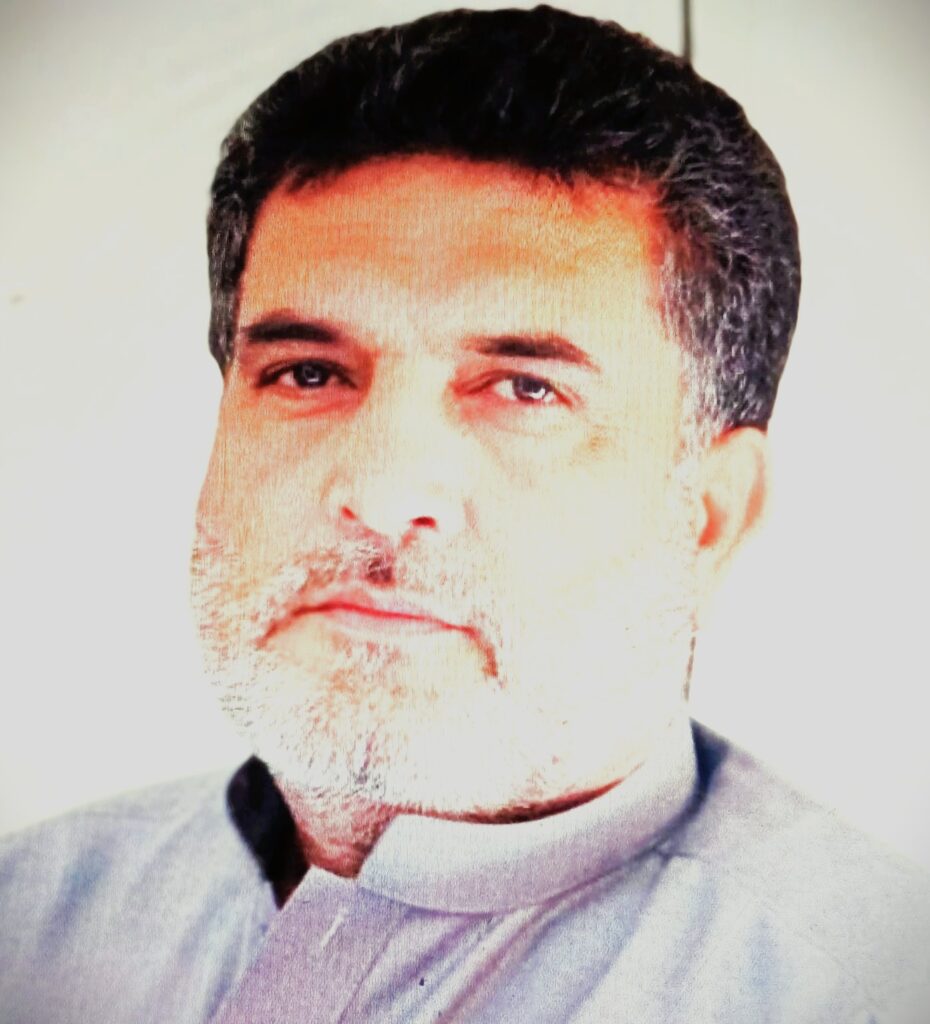
By Khpalwak Mohmand
Some decisions in history are not merely administrative; they determine the future direction of nations. The integration of the erstwhile FATA into Khyber Pakhtunkhwa was one such decision. It was not simply a change on the map, but a new beginning aimed at justice, equality and national unity. It was promised that the tribal people would finally enjoy the same constitutional, legal and economic rights available to other citizens of Pakistan. This announcement was not merely a political slogan; it was a commitment made by the state, parliament and all political forces to the people of the tribal districts.
Today, the important question is how much of that commitment has been fulfilled. At the time of integration, it was promised that modern roads would be constructed in the tribal districts, quality educational institutions would be established, better healthcare facilities would be provided, employment opportunities would be created for the youth, industries and trade would be promoted, local government systems would be strengthened, and areas affected by terrorism would be restored quickly.
These promises were made because the tribal people had endured war, terrorism, displacement, economic hardship and countless sacrifices for more than half a century. They hoped that after the merger, the future of their children would be different from the painful experiences of the past. However, ground realities suggest that there is still a considerable distance to cover.
Unemployment remains a serious challenge in many tribal districts. Several infrastructure projects are progressing slowly, while the education and health sectors continue to require greater investment and reforms. Business activities remain limited in many areas, and the law and order situation has yet to reach complete stability. In such circumstances, people have a legitimate right to ask whether the purpose of the merger was limited to administrative restructuring or whether it was intended to bring genuine development and equal opportunities.
Another important question concerns the allocation and utilisation of development resources for the tribal districts after integration. How many projects have been completed? How many remain unfinished? And why are their benefits not visible in the daily lives of ordinary citizens? These questions should not be viewed as confrontation, but as a demand for transparency and accountability.
Similarly, when discussions arise about imposing new financial burdens or taxes on the tribal population, another question naturally emerges: has the state created the economic foundation necessary for a fair taxation system? Around the world, taxation and public services develop together. Where development, employment and business opportunities remain limited, economies are strengthened first before expanding the scope of revenue collection.
It is also a reality that integration cannot be achieved through legislation alone. True integration takes place when a tribal youth enjoys the same opportunities for education, employment, justice and development as any other young citizen of the country. It occurs when a tribal mother does not have to travel hundreds of kilometres for her child’s treatment, when students do not have to leave their hometowns in search of quality education, and when entrepreneurs can invest in their own areas with confidence.
The time has come for the federal government, the Khyber Pakhtunkhwa government, parliament and all relevant institutions to present a comprehensive and measurable progress report on the tribal districts. The people deserve to know which promises have been fulfilled, which remain incomplete, and within what timeframe they will be addressed. Strong states do not fear questions; they make accountability a source of strength.
The road ahead does not lie in criticism or praise alone, but in practical measures. Education, healthcare, infrastructure, peace, local economies, investment and youth employment in the tribal districts must become national priorities. This represents the true spirit of integration and remains essential for Pakistan’s long-term strength.
The decision to integrate the tribal areas was an important chapter in history, but history is shaped not only by decisions; it is defined by their outcomes. If the promises made to the people are fulfilled, integration can become a successful example of national unity. If those commitments remain unfulfilled, feelings of deprivation may deepen.
The tribal people have always stood with Pakistan and made significant sacrifices for the country. Now is the time for Pakistan to honor its commitments to them. A strong state is not one that merely enforces laws; it is one that ensures justice, dignity and equal opportunities for every citizen.
(The writer is senior journalist at tribal district Mohmand, has in-depth knowledge of national and international issues, can be reached at editorial@metro-morning.com)
#FATA #MergedDistricts #KhyberPakhtunkhwa #Pakistan #Development #GoodGovernance #Transparency #Accountability #RuleOfLaw #PublicPolicy #Infrastructure #Education #Healthcare #YouthEmployment #EconomicDevelopment #TribalDistricts #NationalUnity #Constitution #Democracy #HumanRights #PeaceBuilding #LocalGovernment #SocialJustice #PakistanNews #Opinion #CurrentAffairs #PolicyReforms #MetroMorning #WorldNews #RegionalDevelopment
