





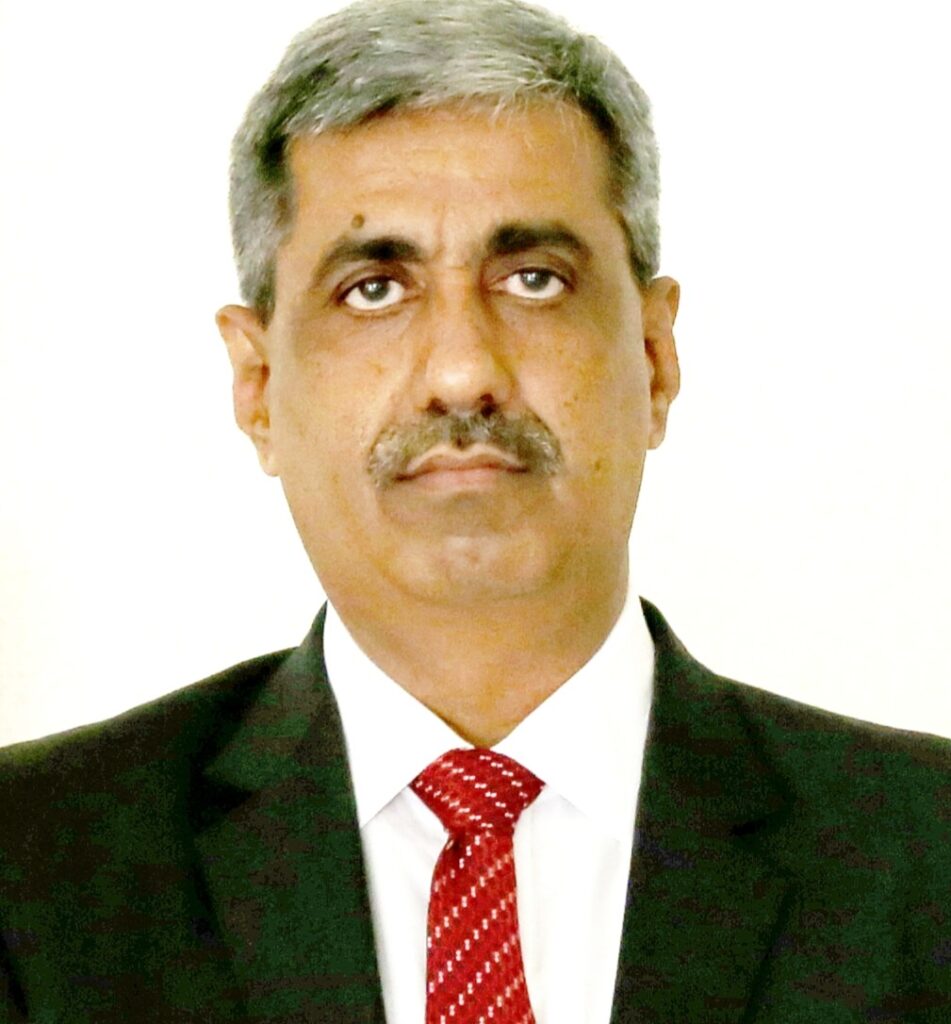
By Abdul Samad Channa
Every four years, Pakistan transforms into a football nation. Homes, cafés and streets fill with supporters wearing the colors of Brazil, Argentina, Germany, France, Spain and Portugal. Conversations revolve around tactics, legendary players and unforgettable goals. For one glorious month, football becomes a shared national passion. Yet once the FIFA World Cup ends, football in Pakistan returns to neglect.
This contradiction is difficult to explain. A country of more than 240 million people, with millions of passionate football followers, continues to remain almost invisible in world football. Pakistan currently languishes near the bottom of the FIFA rankings, and unless there is a fundamental shift in public policy, qualification for a FIFA World Cup will remain an aspiration rather than a realistic objective for generations to come. The irony is that Pakistan does possess a football culture. It exists not in expensive academies or elite sporting institutions, but in the narrow streets of Lyari, Karachi.
For decades, Lyari has been the beating heart of Pakistani football. Long before football became commercially glamorous, children in Lyari were playing the game with unmatched passion and natural skill. The locality produced numerous outstanding footballers during the early decades after Pakistan’s independence. Their talent was not manufactured by sophisticated coaching systems or lavish infrastructure. It emerged from community spirit, relentless practice and an enduring love for the game.
Unlike many successful footballing nations, however, Lyari’s football tradition has survived without meaningful governmental patronage. There have been no sustained investments in neighborhood grounds, no nationwide talent identification programs, no structured youth academies and no long-term strategy to transform raw talent into international excellence. What makes this neglect even more unfortunate is that Lyari has repeatedly demonstrated what Pakistani youth are capable of when given even limited opportunities.
The achievements of Pakistan’s Street Child Football Team provide compelling evidence. On several occasions, the team, comprising predominantly children from Lyari, has produced remarkable performances in international Street Child Football tournaments, competing successfully against teams from countries with far stronger sporting systems. These young footballers have carried Pakistan’s flag with pride despite growing up in environments defined more by hardship than privilege.
Their success should have prompted policymakers to ask an obvious question: if children from Lyari can compete internationally under difficult circumstances, what could they achieve with proper coaching, nutrition, sports science, competitive leagues and institutional support? Unfortunately, this question has rarely received the attention it deserves.
Pakistan’s sporting priorities have remained heavily concentrated on a few traditional disciplines, while football has been treated largely as a recreational activity rather than a strategic investment. Administrative instability, inconsistent governance within football institutions, inadequate facilities, limited school competitions and the absence of professional pathways have collectively denied thousands of talented youngsters the opportunity to fulfil their potential.
No footballing nation has emerged by accident. Brazil nurtures football in its neighborhoods while supporting structured youth development. Germany rebuilt its football system through nationwide academies after disappointing international performances. Argentina combines community football with systematic talent development. Their success is not merely the result of passion; it is the product of long-term planning, institutional continuity and sustained investment. Pakistan already possesses the first ingredient — passion. What it lacks is policy.
Imagine if Lyari were recognized as a National Football Development Zone. Imagine community football grounds protected from encroachment, professionally managed academies established, certified coaches deployed, schools integrated into organized football competitions, and talented youngsters provided with scholarships, nutrition, medical support and opportunities to compete internationally. Such initiatives would cost far less than many high-profile development projects, yet their social dividends would be immense. Football offers far more than sporting success. It keeps young people engaged in healthy activities, strengthens communities, discourages drug abuse and violence, promotes discipline and teamwork, and creates opportunities for social mobility. In Lyari, football has never merely been a game. It has been a language of hope.
The resilience of its people deserves admiration. Despite decades of official indifference, they continue to fill neighborhood grounds with dreams of becoming the next great footballer. Few sporting communities anywhere in the world have displayed such unwavering commitment without institutional support. Pakistan does not need to import a football culture; it already exists. It needs only to recognize it.
The future of Pakistani football may not lie in expensive slogans or ceremonial announcements. It may well lie in the dusty streets of Lyari, where generations have kept the spirit of the game alive without expecting applause. History shows that great football nations are built by investing in places where passion already exists. Pakistan has such a place. It is called Lyari. The question is whether those responsible for shaping national sports policy are finally prepared to see what has always been there.
(The writer is former faculty member of National Institute of Management, Karachi and keen observer of national and international healthcare sector policies. He can be reached at editorial@metro-morning.com)
