





By our correspondent
ISLAMABAD: The National Accountability Bureau (NAB) and the National Forensics Agency have signed a memorandum of understanding to strengthen the use of forensic science in NAB’s inquiries, investigations and prosecutions.
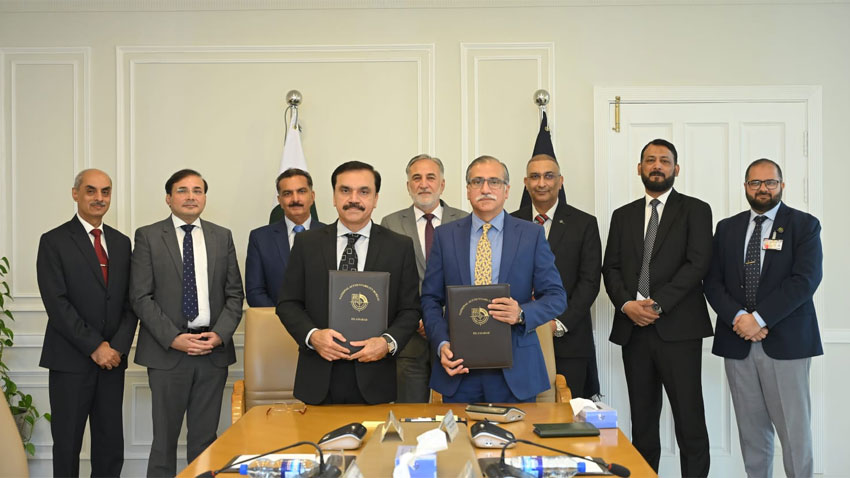
The agreement was signed at NAB Headquarters in Islamabad by NAB Director General Operations Amjad Majeed Aulakh and National Forensics Agency Director General Jawad Ahmad Dogar. Chairman NAB Lt Gen (retd) Nazir Ahmed and other senior officers were present at the signing ceremony.
Under the agreement, NAB will refer relevant investigative material to the National Forensics Agency for crime-scene examination and scientific analysis. The agency will provide authenticated forensic reports to support NAB investigations and legal proceedings.
The cooperation was aimed at making NAB’s investigations more evidence-based. It was also expected to strengthen the quality of evidence presented before courts by introducing greater reliance on scientific methods.
Forensic experts from the National Forensics Agency will also appear as expert witnesses before Accountability Courts and other judicial forums when required. Their testimony will help explain scientific findings and assist courts in assessing forensic evidence placed before them.
The MoU also laid down physical, digital and procedural safeguards for the handling of sensitive investigative material. The protocols were designed to protect the security and confidentiality of evidence throughout the investigative process.
The two institutions also agreed on mechanisms for coordination through designated focal points. A service-based financial reconciliation system was established to help manage the operational aspects of cooperation between the agencies.
The agreement marked an effort to modernize Pakistan’s accountability framework by bringing forensic expertise more systematically into investigations and prosecutions.
NAB said the arrangement would promote greater procedural rigor and scientific integrity in the handling of cases. It was also expected to improve transparency and strengthen the evidentiary basis of proceedings before judicial forums.
The cooperation between the two institutions reflected a broader shift towards scientific and technology-based investigation, particularly in cases where the authenticity and reliability of evidence could have a direct bearing on prosecution outcomes.
