





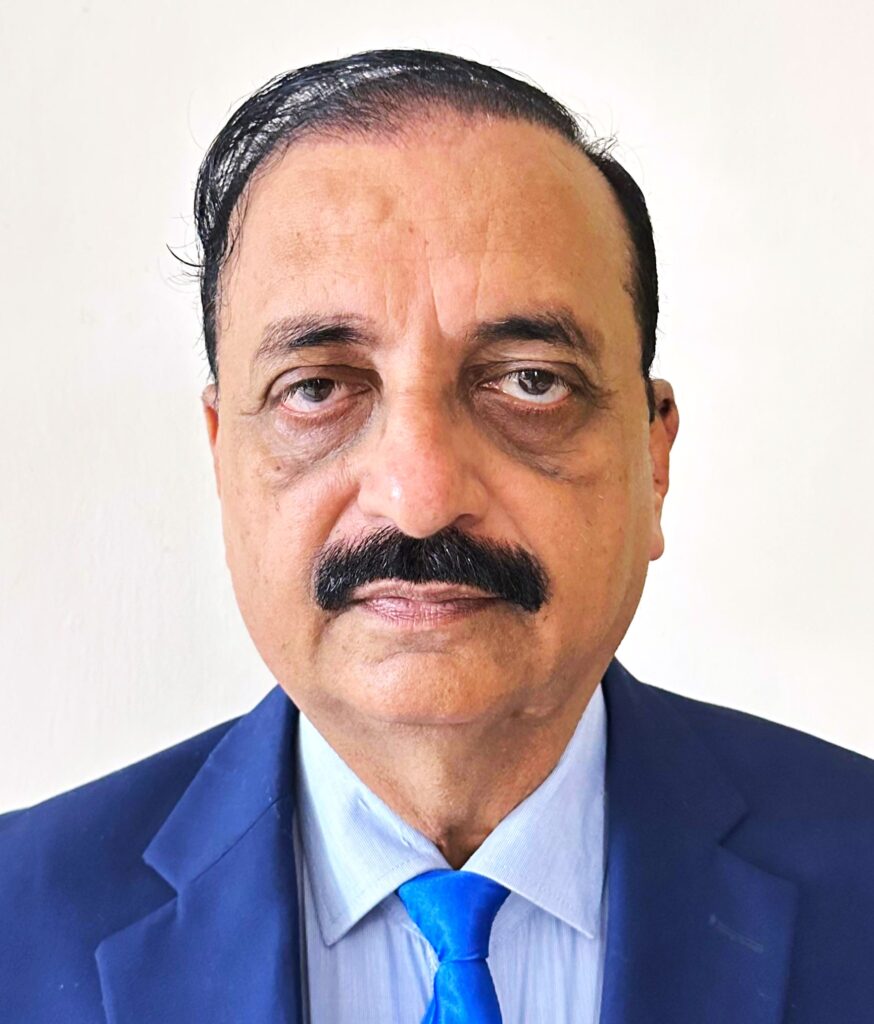
By Pir Ghulam Nabi Shah Jillani
The recent diplomatic engagements of Pakistan’s leadership with both China and the United States highlight a familiar but increasingly important challenge: how to maintain strategic relationships with competing global powers while ensuring that national interests remain at the center of foreign policy. Prime Minister Shehbaz Sharif’s meeting with Chinese Ambassador to Pakistan Jiang Zaidong focused on the evolving regional situation, including developments in the Middle East, Afghanistan and South Asia. The prime minister reaffirmed Pakistan’s commitment to strengthening its strategic cooperative partnership with China, stressing that both countries would continue working together to implement key decisions and agreements.
The Chinese ambassador reiterated Beijing’s longstanding position that Pakistan remains a close friend and partner, assuring continued support for Pakistan’s sovereignty, territorial integrity and socio-economic development. At the same time, a visit by US lawmakers Ryan Keith Zinke and Michael James to General Headquarters in Rawalpindi reflected another dimension of Pakistan’s diplomatic outreach. During their meeting with Chief of Army Staff and Chief of Defence Forces Field Marshal Syed Asim Munir, discussions covered regional security, bilateral defence cooperation, economic collaboration and opportunities to enhance trade and institutional ties.
Field Marshal Asim Munir underlined Pakistan’s economic potential, arguing that sustainable regional stability depends not only on security arrangements but also on stronger economies, expanding trade networks and deeper regional connectivity. The visiting US lawmakers also expressed their commitment to strengthening economic, commercial and institutional relations with Pakistan. These engagements underline a broader reality of international politics: a country’s foreign policy success is measured not merely by the number of diplomatic meetings it conducts but by how effectively it advances its national interests and establishes its role within the international community.
Pakistan’s recent diplomatic activity suggests a renewed effort by Islamabad to reshape its regional and global position while pursuing constructive relations with major powers. The meetings with Chinese and American representatives demonstrate Pakistan’s attempt to maintain a balanced foreign policy approach, avoiding alignment with one power at the expense of another. In an era defined by growing competition between Washington and Beijing, this balancing act is complex but necessary. Pakistan’s challenge is to transform its geographic and strategic importance into tangible economic benefits rather than allowing its diplomacy to remain limited to political symbolism.
History shows that lasting regional stability cannot be achieved through statements of intent or ceremonial exchanges alone. It is built on strong economic foundations, increased trade, reliable connectivity and productive partnerships. Countries that strengthen their economies, expand commercial networks and create opportunities for investment are better positioned to influence regional affairs and protect their interests. Pakistan’s geographical location gives it a unique advantage. Situated at the crossroads of South Asia, Central Asia, the Middle East and China, the country has the potential to become a major hub for trade, transit and regional cooperation. But geography alone cannot guarantee prosperity.
Strategic location becomes meaningful only when supported by economic reforms, political stability and policies that encourage investment and innovation. The key question remains whether Pakistan can successfully maintain positive relations with both China and the United States at a time when global politics is increasingly shaped by rivalry between the two powers. The answer lies in a pragmatic foreign policy that prioritizes peace, economic cooperation and national development rather than becoming part of competing geopolitical blocs. Pakistan’s role in regional peace and security has long been recognized by international partners.
The country has made significant sacrifices in the fight against terrorism, hosted millions of Afghan refugees and contributed to diplomatic efforts aimed at reducing tensions in the region. These factors have strengthened Pakistan’s international relevance. Yet strategic importance alone cannot deliver prosperity. Diplomatic recognition must ultimately translate into economic opportunities for ordinary citizens. For this to happen, Pakistan must focus on strengthening the foundations of its economy. Expanding exports, modernizing industries, improving productivity and removing barriers for foreign investors should remain central priorities.
The second phase of the China-Pakistan Economic Corridor, with its focus on agriculture, industrial development and information technology cooperation, offers an opportunity to broaden economic ties beyond infrastructure projects. Similarly, improving trade relations with the United States requires Pakistan to enhance competitiveness in sectors such as textiles, IT services and agricultural exports. The real measure of Pakistan’s diplomatic success will not be found only in high-level meetings or international statements but in whether these engagements create jobs, investment and economic security for its people. Foreign policy and economic policy must move together, because a country’s global influence ultimately depends on the strength of its domestic foundations.
Pakistan’s current diplomatic direction offers opportunities, but opportunities alone are not enough. They must be converted into practical outcomes through consistent reforms, economic discipline and a commitment to long-term development. The meetings of Prime Minister Shehbaz Sharif and Field Marshal Asim Munir represent important steps in strengthening Pakistan’s international partnerships. The greater challenge is ensuring that these partnerships deliver the prosperity that gives diplomacy its true meaning.
(The writer is a public health professional, journalist, and possesses expertise in health communication, having keen interest in national and international affairs, can be reached at uzma@metro-morning.com)#Pakistan #ForeignPolicy #PakistanForeignPolicy #ChinaPakistan #USPakistanRelations #ShehbazSharif #China #UnitedStates #Diplomacy #StrategicPartnership #EconomicDiplomacy #RegionalSecurity #Geopolitics #CPEC #CPECPhase2 #Trade #Investment #EconomicCooperation #RegionalConnectivity #SouthAsia #CentralAsia #MiddleEast #EconomicDevelopment #NationalInterest #ForeignInvestment #Exports #ITSector #TextileIndustry #PakistanEconomy #MetroMorning
