





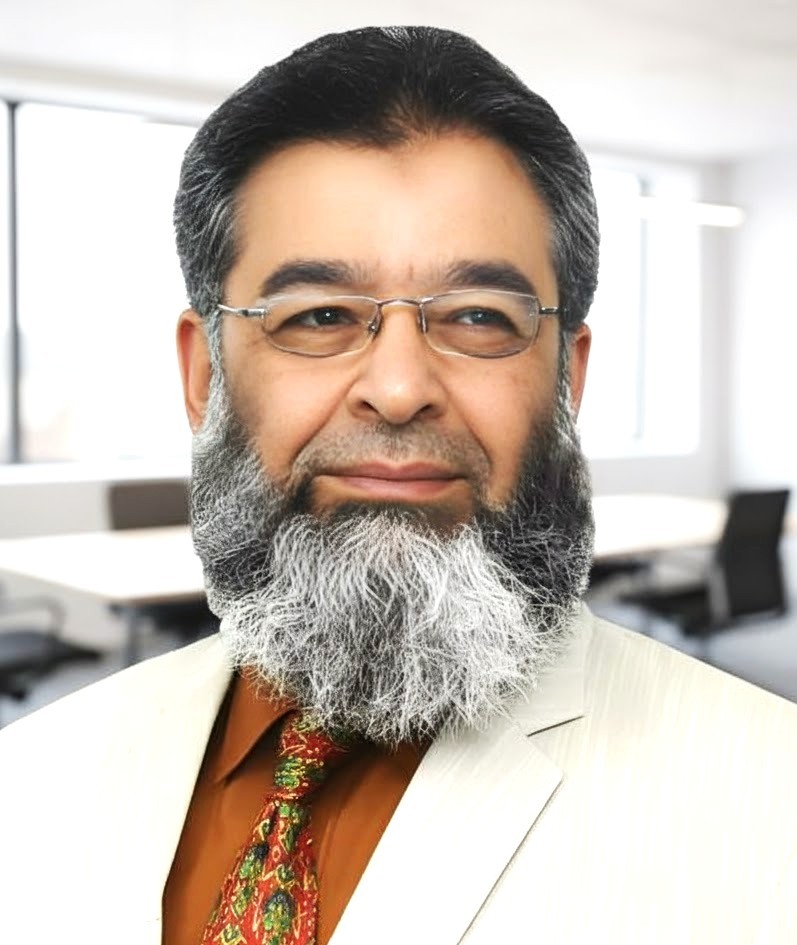
By Muhammad Mohsin Iqbal
In the shadowed epochs before the dawn of Islam, the affairs of mankind were beset by profound confusion and moral disorder. The pursuit of ethical values, the recognition of basic human rights, the establishment of social equality, and the fair administration of justice remained fragmented ideals, often trampled beneath tyranny, tribal feuds, and unchecked passions. It fell to the boundless mercy of Almighty Allah to illuminate this darkness through His divine word, the Holy Quran, which brought order, harmony, and clarity to the chaos of human existence. The Prophet Muhammad, peace and blessings be upon him, the final Messenger and Seal of the Prophets, then embodied these heavenly injunctions through his blessed life and teachings, translating sacred principles into living practice for all generations to follow.
As centuries unfolded, new challenges and complexities inevitably emerged within Muslim societies. These were addressed not through innovations detached from revelation, but through the profound insight and disciplined wisdom of the rightly guided Imams and classical Islamic scholars. Their verdicts and interpretations remained, in both spirit and substance, subordinate to the Quran and the authentic Sunnah, ensuring fidelity to the original divine sources. Within this rich intellectual tradition, the requirements of an Islamic state were meticulously outlined; the conduct of government, the promotion of public welfare, the organization of society, and the solemn responsibilities associated with jihad. Even the refined ethics of warfare received explicit attention, alongside the strict conditions and moral boundaries that must govern any legitimate striving in Allah’s cause. Thus, faith offered comprehensive guidance for both times of peace and moments of peril.
Regrettably, in our own turbulent times, certain elements have invoked the noble name of Islam to justify acts that the Quran and Sunnah categorically reject. Among the most serious of these forbidden paths is khuruj – armed rebellion against legitimate state authority – an act that the classical scholarly tradition of Islam has condemned consistently for fourteen centuries as a cause of fitnah and grave sin. In Pakistan, extremist factions have deliberately distorted this established consensus to legitimize campaigns of insurgency and violence. Yet the evidence remains clear: respecting constituted authority is a binding religious obligation upon every Muslim citizen.
The Holy Quran commands with unmistakable clarity: “Obey Allah, obey the Messenger, and those in authority among you.” No recognized scholarly interpretation provides justification for armed revolt against Pakistan’s institutions. The Prophet, peace be upon him, cautioned that whoever separates from the community even by a handspan and dies in that state departs in the death of ignorance. Ibn Taymiyyah, frequently misrepresented by militants, actually affirmed that prolonged rule by an imperfect leader is preferable to anarchy and rejected rebellion outright. Imam al-Nawawi and Imam al-Ghazali similarly warned that the consequences of insurrection could become more destructive than the injustice it claims to correct. The Prophet described rightful leadership as a shield behind which people are protected; Pakistan’s security forces fulfil this responsibility today, making support for them not merely a civic duty but an expression of religious commitment.
Grievances, the Quran directs, must be pursued through lawful channels – through courts, scholarly guidance, and reasoned advocacy – never through the chaos of violence. Even in circumstances of hardship, the Prophet instructed believers to fulfil their responsibilities towards authority while seeking justice and guidance from Allah. The exemplary patience of Imam Ahmad ibn Hanbal, who endured imprisonment under political pressure yet never called for revolt, remains an enduring example of principled restraint. Pakistan’s Constitution, itself inspired by Islamic principles of justice and shura (mutual consultation), provides mechanisms for accountability and reform. Democratic participation and legal engagement therefore represent the Islamically recognized path towards national progress.
At the heart of this guidance stands the Seerah of the Prophet Muhammad, peace be upon him, as the ultimate model of wasatiyyah – the divinely ordained path of moderation, mercy, and balance. He declared, “I was sent as a mercy to all of mankind,” establishing that his mission was never founded upon bloodshed or domination, but upon compassion, justice, and human dignity. At the conquest of Makkah, he forgave his fiercest enemies with remarkable magnanimity, declaring that no reproach would remain against them. This act of mercy represents the authentic Sunnah and bears no resemblance to the violence committed by extremists in his name.
The Quran describes the Muslim Ummah as “a middle nation”, chosen to uphold justice and moderation. The Prophet protected the lives, property, and dignity of non-Muslims under covenant, warning that he would stand against anyone who wronged them on the Day of Judgment. He commanded kindness and fairness towards those who had not waged war against the faith, visited the sick among other communities, engaged opponents with wisdom, and consistently preferred peace whenever it could be achieved with honor. “Make things easy and do not make them difficult,” he advised, rejecting the harsh extremism that places unbearable burdens upon societies. True jihad, as he taught after returning from battle, begins with the greater struggle against one’s own desires and weaknesses – an inner discipline that terrorism fundamentally betrays.
(The writer is a parliamentary expert with decades of experience in legislative research and media affairs, leading policy support initiatives for lawmakers on complex national and international issues, and can be reached at editorial@metro-Morning.com)
Islam #ProphetMuhammad #Seerah #Quran #Sunnah #IslamicTeachings #Justice #Peace #Moderation #HumanRights #ReligiousHarmony #IslamicValues #RuleOfLaw #Pakistan #Faith #Unity #CounterExtremism #CurrentAffairs #MetroMorning #Opinion
