





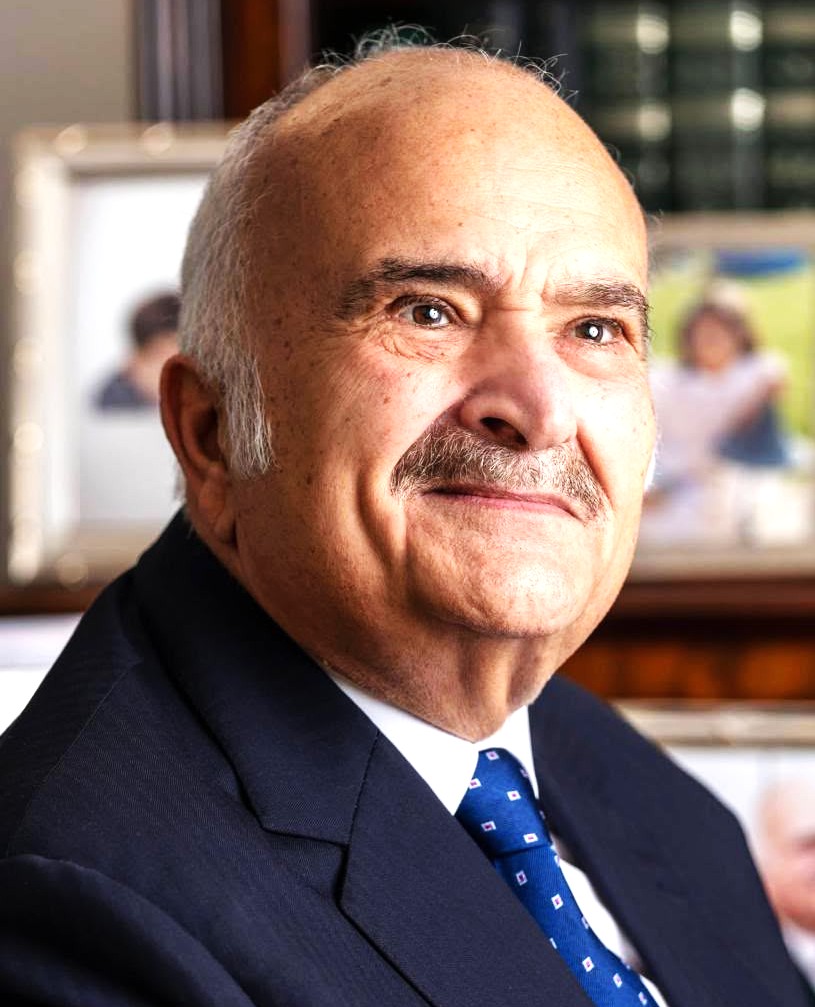
By Prince El Hassan bin Talal
The beginning of a new Hijri year is not merely a moment to recall a historic journey that transformed the course of Islamic history. It is an opportunity to revisit the deeper philosophy of the Hijra and reflect on the values it represents: sacrifice, perseverance, dignity, justice, truth, solidarity and a sense of responsibility toward humanity. The Hijra was not simply a migration from one place to another; it was a profound movement of faith, resilience and moral purpose that continues to inspire generations.
These meanings become even more significant when the Muslim world turns its attention toward Al-Aqsa Mosque, the first qibla and one of the most revered sanctuaries in Islam. The connection between Muslims and Jerusalem is deeply rooted in religious memory and spiritual consciousness. The Prophet Muhammad (peace be upon him) highlighted the unique status of Al-Aqsa Mosque by stating that journeys of special religious significance should be undertaken only to the three mosques: the Sacred Mosque in Makkah, his mosque in Medina, and Al-Aqsa Mosque in Jerusalem.
The relationship between Makkah, Medina and Jerusalem is therefore not merely a matter of geography. These three sacred places represent a shared spiritual heritage and a bond that has connected Muslims across centuries. During the season of Hajj, when millions gather in Makkah from every corner of the world, this immense congregation reflects more than religious devotion. It represents the collective strength, diversity and potential of the Muslim Ummah. The challenge before believers is to transform this spiritual unity into meaningful action guided by justice, compassion and responsibility.
Throughout history, Islamic civilisation was shaped by movements of people, knowledge and ideas. The caravans that travelled across the Muslim world were not simply methods of transportation; they were channels of cultural exchange and intellectual progress. Along their routes emerged centres of learning, libraries, hospitality houses and institutions that supported travellers and communities. These journeys connected distant regions, allowing knowledge, commerce and human experiences to flow across continents.
Although modern technology has replaced many traditional forms of travel, the deeper purpose remains unchanged. Transportation may have become faster and physical distances smaller, but the responsibility of maintaining connections, protecting heritage and supporting communities remains as important as ever.
The Holy Qur’an associates the obligation of Hajj with the ability to undertake the journey, highlighting the importance of capacity, commitment and determination. In earlier times, this ability was closely linked to endurance and the willingness to overcome difficult physical conditions. Today, while many challenges of travel have been reduced by modern technology, the concept of struggle and perseverance continues in different forms. Jerusalem reminds the world that some journeys are not defined only by distance but by the challenges faced in preserving identity, dignity and presence.
Jerusalem is far more than a city of stones and historical monuments. It represents a profound spiritual and human legacy. It is connected with the Night Journey and Ascension of the Prophet Muhammad (peace be upon him), and it occupies a unique place in the hearts of Muslims. At the same time, Jerusalem has historically been a city where different religious traditions and cultures have existed side by side. Its streets, places of worship and communities reflect a complex human heritage that belongs not only to one group but to the broader story of civilisation.
The protection of Jerusalem, therefore, cannot be understood only as the preservation of buildings or sacred sites. It is equally about protecting the rights, dignity and future of the people who call the city home. A city cannot truly exist without its inhabitants. The preservation of Jerusalem requires support for its schools, hospitals, cultural institutions and social structures that allow communities to survive and flourish.
Solidarity with Jerusalem must also move beyond symbolic expressions and become a practical commitment. Supporting communities, strengthening education, preserving cultural identity and protecting human dignity are among the most meaningful forms of connection. Islamic history provides many examples of institutionalised compassion through systems such as zakat and waqf, which transformed generosity into organised social responsibility. These traditions demonstrate that faith is not limited to words but must be reflected through actions that benefit society.
The responsibility toward Jerusalem belongs to the entire Ummah. The custodianship of the Islamic and Christian holy sites in the city is a sacred trust, but it does not replace the wider responsibility of Muslims and the international community to protect heritage, promote justice and support the people of Jerusalem. The city represents a shared human and spiritual legacy that demands collective commitment.
The Hijra teaches that meaningful change requires courage, sacrifice and determination. The caravans of Hajj remind humanity of unity, connection and devotion to higher values. Jerusalem stands today as a reminder of whether societies can transform their beliefs into responsible action. Sacred places endure beyond political circumstances because they are connected to memory, faith and human dignity.
As the new Hijri year begins, its message should inspire a renewed commitment to justice, compassion and service to humanity. Jerusalem remains a symbol of spiritual significance and a reminder that the strength of any community is measured not only by its numbers but by its ability to uphold truth, protect dignity and stand for what is right.
May the new year bring peace, prosperity and wisdom, and may Jerusalem and its people, Muslim and Christian alike, continue to live with dignity, security and hope. The city’s greatest strength lies not only in its sacred sites but also in the resilience of those who preserve its identity and heritage. Jerusalem remains a trust carried in the hearts and consciences of people across generations, representing an enduring call for justice, coexistence and human solidarity.
(The writer, from the Hashemite Kingdom of Jordan, is a renowned scholar, distinguished intellectual, global thinker and advocate of science, knowledge and human development. He can be reached at editorial@metro-morning.com)
