





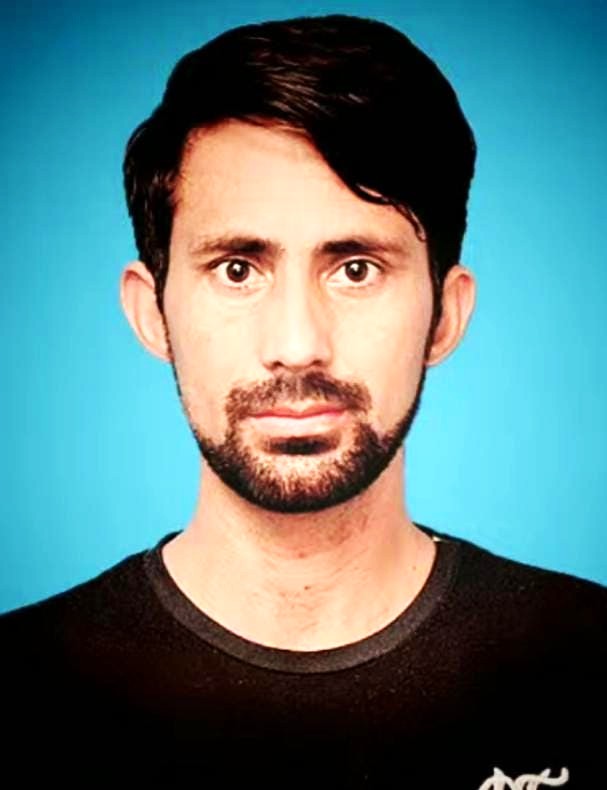
By Shakeel Hussain
Leadership and remembrance often become inseparable in the life of a nation. While political authority ends with death, the public memory of a leader can continue to shape national identity, political discourse and collective emotion for generations. Funeral processions are therefore more than ceremonial occasions. They represent moments when history, culture and public sentiment converge, allowing societies to reflect not only on an individual’s life but also on the values, aspirations and conflicts associated with that legacy. History offers many examples of farewell ceremonies that have transcended personal grief to become defining national moments. The funeral of C. N. Annadurai in India in 1969 drew an unprecedented gathering, reflecting the extraordinary connection he had forged with ordinary citizens.
Two decades later, the funeral of Ayatollah Ruhollah Khomeini in Iran became one of the largest public gatherings in modern history, illustrating the profound emotional and political influence he exercised over millions of supporters. Such occasions remind us that the measure of leadership is often reflected not only in the years spent in office but also in the enduring attachment people feel after a leader’s passing. A funeral procession possesses a symbolism that extends beyond mourning. It represents a public acknowledgement that ideas can outlive individuals. People who gather in vast numbers are expressing more than sorrow; they are affirming that the beliefs, struggles and aspirations associated with a leader remain meaningful in their own lives. Whether viewed through political, cultural or religious lenses, these ceremonies become expressions of continuity between one generation and the next.
Collective remembrance also serves an important social function. Every society has developed traditions through which grief is shared rather than endured in isolation. Religious rites, cultural customs and public ceremonies transform personal loss into communal solidarity. In moments of national bereavement, people are reminded that they belong to a larger community whose history is built not only upon victories and achievements but also upon shared sacrifice and collective memory. Such occasions strengthen social bonds by allowing individuals from different backgrounds to participate in a common act of remembrance.
The legacy of Ayatollah Ali Khamenei is viewed in markedly different ways across the world, reflecting the broader political and ideological divisions surrounding the Islamic Republic of Iran. For many of his supporters, however, he represented not only the country’s highest political authority but also its foremost religious guide under the doctrine of Wilayat al-Faqih. Within that perspective, remembrance carries both spiritual and political significance. Farewell ceremonies are seen as acts of devotion as well as expressions of gratitude for a leader whose influence extended beyond Iran’s borders into Shia communities across the Middle East and elsewhere.
The symbolic importance attached to religious cities such as Mashhad and Qom illustrates the close relationship between faith and national identity in Iran. Likewise, visits to the holy shrines in Najaf and Karbala have long held profound spiritual significance for Shia Muslims worldwide. For believers, these sacred places provide a setting in which remembrance acquires deeper religious meaning, linking the memory of contemporary leaders with centuries of religious tradition.
Supporters also point to Ayatollah Khamenei’s long-standing opposition to foreign intervention and external domination as central to his political legacy. They argue that his leadership reflected a determination to preserve Iran’s sovereignty and independent decision-making in the face of sustained international pressure. Critics, naturally, interpret many of the same policies very differently. Such contrasting assessments are an inevitable feature of influential political figures whose decisions shaped regional affairs over several decades. History rarely offers unanimous verdicts on leaders whose tenure coincided with periods of profound geopolitical tension.
The passing of any long-serving national leader inevitably prompts reflection on the future as much as on the past. Funeral ceremonies become occasions when societies consider not only what has ended but also what endures. Political institutions may evolve, governments may change and new generations may emerge, yet memories of decisive historical figures continue to influence public debate and national identity. The stories associated with their lives are repeatedly revisited, interpreted and contested, becoming part of a nation’s continuing historical conversation.
Ultimately, remembrance derives its strength from the values people choose to preserve. Physical presence inevitably fades, but ideas, principles and historical experiences continue to shape collective consciousness. A meaningful legacy is measured not solely by power exercised during one’s lifetime but by the extent to which future generations continue to engage with, debate and draw lessons from that life. Whether through admiration, criticism or careful historical reflection, societies keep influential figures alive in their public memory. In that sense, the final journey of a leader is never simply the conclusion of an individual life; it is also the beginning of a new chapter in the ongoing interpretation of history.
(The writer is a university student and puts his views on various topics, can be reached at editorial@metro-morning.com)
