





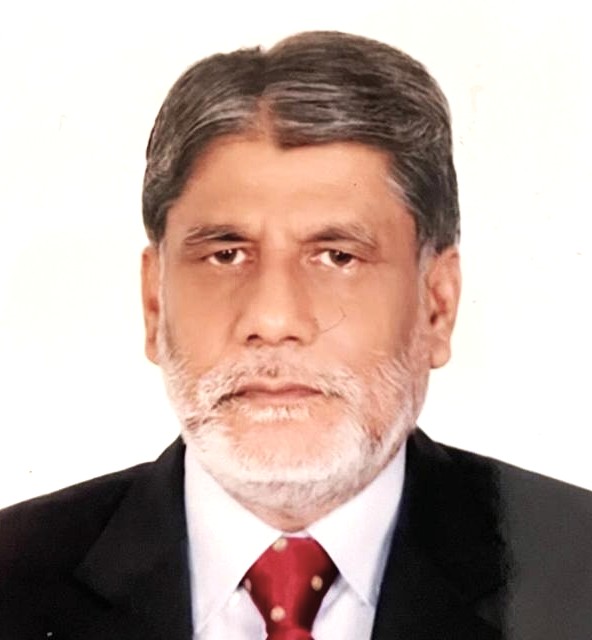
Dr. Sheikh Akram Ali
The creation of Pakistan in 1947 was viewed by millions of Muslims of the Subcontinent as the achievement of a long political struggle for identity, dignity and self-determination. Yet, the history that followed revealed the complexities of building a state where diverse regions, cultures and aspirations could coexist. The failure of the central government to fully address the concerns of East Pakistan gradually fuelled Bengali nationalism, beginning with the language movement of 1952 and eventually leading to the emergence of Bangladesh as an independent country in December 1971.
For many Bangladeshis, independence carried the promise of a new beginning. The expectations were enormous. People hoped that the new state would deliver political stability, economic progress and social justice. However, the early years of Bangladesh were marked by severe challenges. The country struggled with economic hardship, institutional weaknesses and political uncertainty. The absence of a clear and sustainable development strategy created frustration among citizens and contributed to the political crisis that eventually resulted in the fall of Sheikh Mujibur Rahman’s government in 1975.
Following this period of turmoil, Ziaur Rahman emerged as a significant figure in Bangladesh’s political history. His government attempted to establish a foundation for economic development, national stability and a modern state structure. However, his assassination in 1981 interrupted many of those efforts. The country subsequently experienced periods of military influence and political transition. Although development reached different sectors of society, corruption expanded and social values began to weaken. Later civilian governments also struggled to address these deep-rooted challenges effectively.
During Sheikh Hasina’s long tenure, critics argued that democratic institutions lost their independence and state structures became increasingly politicised. The professionalism of key institutions declined, while public confidence in governance weakened. Many citizens began to believe that meaningful political transformation was unlikely in the foreseeable future.
The events of July 2024, however, marked a dramatic turning point. A wave of public mobilisation created a new political environment and opened a debate about institutional reform, accountability and national renewal. The interim administration led by Dr Muhammad Yunus attempted to manage the transition period before transferring power to an elected government in February 2026. The new leadership inherited a country carrying deep expectations as well as significant challenges.
The task before the present government is not simply administrative; it is a national reconstruction effort. Restoring public confidence must be the first priority. Citizens need to see that the government is genuinely committed to the spirit of the July movement and prepared to introduce meaningful reforms. Political change alone cannot transform society unless it is followed by institutional improvement and responsible governance.
One of the greatest challenges remains corruption. A country cannot achieve sustainable progress when corruption weakens public institutions, discourages investment and damages social trust. The fight against corruption must become a national movement supported by strong accountability mechanisms and independent oversight. The media and civil society also have an important responsibility in exposing wrongdoing and promoting transparency.
Improving law and order will be another essential step. The police force must be transformed into a professional public service rather than an institution influenced by political interests. Meaningful reforms, better training, improved working conditions and institutional independence are necessary to rebuild public confidence. The establishment of an effective Police Service Commission could help strengthen accountability and professionalism within law enforcement.
The rule of law is equally fundamental to national recovery. A functioning justice system requires an independent judiciary, professional lawyers and institutions capable of operating without external pressure. Reforming judicial structures will take time, but sincere efforts through judicial commissions and legal institutions are essential. Without equal access to justice, social stability and democratic development will remain incomplete.
Economic revival must also remain at the centre of the government’s agenda. Bangladesh’s large population should not be viewed as a burden but as a valuable human resource. Expanding employment opportunities, investing in skills development and encouraging entrepreneurship can transform the country’s demographic strength into economic growth.
Agriculture remains a vital sector, particularly for rural communities. A renewed agricultural strategy can improve food security, create employment and support rural development. Alongside this, cottage industries and small businesses should be encouraged to provide opportunities for families outside major urban centres.
Perhaps the most difficult challenge is restoring social values and ethical standards. Years of political conflict, corruption and institutional decline have damaged public trust. Rebuilding morality within society requires long-term investment in education. Moral and civic education from primary schools onward can help develop responsible citizens who understand their role in strengthening the nation.
(The writer is an academic and political commentator in Bangladesh and can be reached at news@metro-morning.com)
Bangladesh #BangladeshPolitics #SheikhHasina #MuhammadYunus #JulyMovement #PoliticalReform #Democracy #RuleOfLaw #Corruption #EconomicDevelopment #Governance #SocialJustice #NationalReconstruction #SouthAsia #PoliticalAnalysis #MetroMorning
