





Part-IV
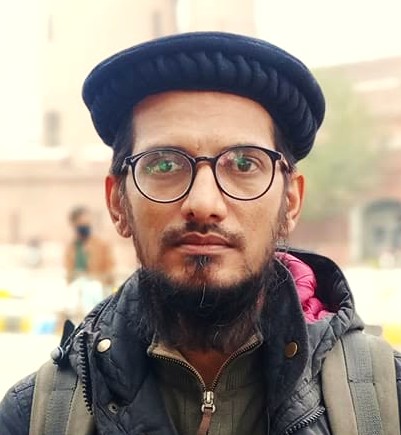
By Arsalan Ahmad Siddiqui
History ultimately judges nations not only by the wars they fight, but also by the institutions they preserve and the choices they make after moments of tragedy. The final burial in Mashhad brought an end to a solemn chapter of mourning, but it did not bring an end to the political questions surrounding Iran’s future. As the last ceremonies concluded and the crowds gradually dispersed, a more significant question began to dominate diplomatic discussions across the world: what comes next?
For Iran, the challenge extends far beyond the question of leadership succession. The country now faces the difficult task of maintaining political stability, strengthening economic resilience, repairing damaged infrastructure and managing one of the most complicated security environments in its modern history. At the same time, the transition has reopened a deeper debate about the future direction of the Islamic Republic and the delicate balance between preserving continuity and responding to demands for change.
Throughout the extensive funeral ceremonies, Iran sought to communicate one clear message: the state had lost a leader, but its institutions remained intact. The carefully organized events projected an image of national unity, political continuity and strategic confidence. Whether international observers fully accepted that message remains a matter of debate, but few could ignore the significance of the effort to demonstrate stability during a period of uncertainty.
Modern conflicts are no longer determined only by weapons, armies or battlefield victories. They are shaped equally by political legitimacy, public confidence, economic endurance, diplomatic influence and the ability to control narratives. In that wider strategic environment, Iran attempted to transform national mourning into a demonstration of resilience. The success of that effort, however, will not be measured by the funeral ceremonies themselves but by the decisions taken in the months and years ahead.
The events surrounding Iran have also highlighted the changing nature of regional and global power struggles. Across West Asia, competing visions of international order continue to shape diplomatic relations. Some countries advocate a multipolar system where influence is shared among several major powers rather than dominated by one center. Iran’s growing relations with countries such as China and Russia, alongside its broader regional engagements, form part of this wider geopolitical shift.
At the same time, the United States and its allies continue to express concerns over Iran’s regional policies, missile capabilities and support for armed groups. These competing perspectives explain why the funeral attracted attention far beyond Iran’s borders. It was not simply a national ceremony marking the passing of a leader. It became a symbolic moment in a wider struggle over influence, security and the future balance of power in the Middle East.
For Pakistan, developments in Iran carry immediate strategic importance. The two countries share a long border, historical connections, cultural links and important economic interests. Islamabad’s approach during the crisis reflected its traditional emphasis on sovereignty, regional stability and diplomatic engagement. Pakistan has consistently maintained that prolonged instability in neighboring countries can have consequences far beyond their own borders.
A fragile Iran would have implications for Pakistan in areas ranging from border security and trade to energy cooperation and regional connectivity. Stability along the western frontier remains a vital national interest, while peaceful relations with neighboring states are essential for economic and security priorities. For this reason, Pakistan has continued to support dialogue and restraint as the preferred path for resolving regional tensions.
The developments also carry important lessons for journalism in an era when information itself has become part of geopolitical competition. During conflicts and political transitions, governments attempt to shape narratives, military institutions protect sensitive information and political actors seek to influence public opinion. Meanwhile, social media platforms can spread both valuable reporting and misleading claims at extraordinary speed.
Responsible journalism therefore requires more than immediate reporting. It demands verification, context and a commitment to separating facts from official claims and political interpretations. In moments of crisis, the responsibility of journalists is not only to report what happens but also to explain why it matters and how different forces are shaping events.
The funeral itself may not have changed the political landscape of the Middle East overnight. Yet history often reveals the importance of such moments only with the passage of time. State ceremonies frequently become symbols whose meaning is understood years later, when historians examine not only the individual being mourned but also the political order that followed. (End.)
MiddleEast #Iran #WestAsia #Geopolitics #Diplomacy #RegionalStability #Pakistan #PakistanIran #ForeignPolicy #InternationalRelations #Peace #Security #GlobalPolitics #Journalism #Media #CurrentAffairs #WorldNews #PakistanNews #MetroMorning #BreakingNews
