





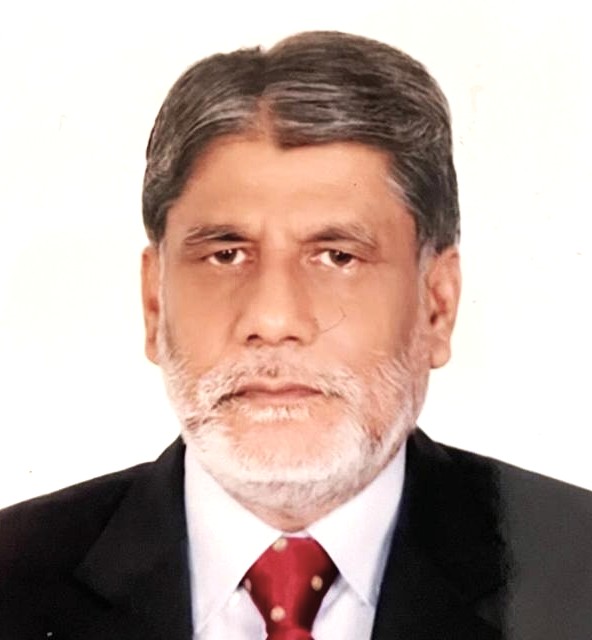
By Dr. Sheikh Akram Ali
Every major transformation in society begins not with institutions or laws, but with a change in the attitudes of people. Human behavior is ultimately shaped by the way individuals think, perceive others and respond to challenges. Without a transformation in mindset, political changes, economic reforms or social movements often fail to deliver the deeper progress that people hope for. Throughout history, education has remained one of the most powerful instruments for changing societies. It does not merely provide knowledge; it shapes character, develops awareness and influences the way individuals interact with one another.
A truly effective education system creates responsible citizens who understand their duties towards society as much as their rights. The importance of knowledge has been deeply emphasized in Islamic tradition. The pursuit of learning has long been regarded as a fundamental responsibility, and the first revelation in Islam began with the command to read. This emphasis on knowledge reflects the central role education plays in developing human civilization and moral consciousness. History provides many examples of societies transformed through education. During the medieval period, centers of learning such as Baghdad and Córdoba became symbols of intellectual achievement.
Muslim scholars made remarkable contributions to fields including medicine, mathematics, astronomy and philosophy, leaving a legacy that continues to influence the modern world. In South Asia, education also developed through various institutions during Muslim rule. Although the system differed significantly from contemporary models, it provided opportunities for learning and contributed to the intellectual and cultural life of society. However, political changes following the decline of Muslim power brought significant disruptions to existing educational structures. Under British rule, education became closely linked with colonial objectives.
The introduction of a new system was presented as a modernizing effort, but critics argue that it also served administrative and political interests by creating a class of people aligned with colonial governance. The educational policies introduced during that period significantly influenced the social and intellectual development of generations. The debate over education in South Asia today is therefore not only about academic standards but also about values, ethics and the purpose of learning itself. A society requires educated individuals who possess professional skills as well as integrity, responsibility and compassion.
Technical knowledge without moral awareness can produce capable individuals, but it cannot necessarily create responsible leaders. Bangladesh, like many countries, faces the challenge of building an education system that combines modern skills with ethical development. The progress of a nation depends not only on universities, technology and economic growth but also on the quality of character among its citizens. Political change also requires a transformation in behavior. A revolution or a change of government cannot automatically change society unless individuals change the way they treat one another.
The real test of any political transition lies in whether it creates a culture of respect, tolerance and accountability. Recent incidents involving political figures and public representatives have raised concerns about whether society has truly moved beyond old patterns of behavior. The expectation after any major political transformation is that leaders will demonstrate patience, humility and respect, particularly when dealing with ordinary citizens or those who hold different views. Leadership is not measured only by authority or position. It is reflected in restraint, dignity and the ability to treat others fairly even during moments of disagreement. Public officials carry a greater responsibility because their actions influence the attitudes of society as a whole.
When leaders fail to show respect, they weaken public trust and damage the very principles they claim to represent. At the same time, examples of responsible leadership demonstrate that change remains possible. Many public figures continue to show that courtesy, discipline and commitment to public service can strengthen the relationship between leaders and citizens. Such examples deserve recognition because societies progress when positive behavior becomes the standard rather than the exception. The people of Bangladesh, like citizens everywhere, expect their leaders to understand that power is a responsibility rather than a privilege. Political authority should be accompanied by humility and a commitment to serving the public interest.
A leader who listens, respects and remains accountable earns lasting respect beyond any official position. The post-revolution period presents an opportunity to build a different political and social culture. But that opportunity can only be realized if individuals are willing to examine their own attitudes and actions. True transformation does not begin in government offices or political gatherings; it begins in the minds and behavior of people. A society cannot achieve meaningful progress while carrying old prejudices, hostility and intolerance into a new era. The future belongs to those who recognize that change is not only about replacing systems but also about improving human conduct.
Education can provide the foundation, but values and character determine the direction. If Bangladesh succeeds in developing citizens and leaders who combine knowledge with responsibility, the country can move towards a more respectful, stable and progressive future. The greatest revolution is ultimately the one that changes the way people think and the way they treat each other.
(The writer is an academic and political commentator in Bangladesh and can be reached at news@metro-morning.com)
#ChangingMinds #Education #Bangladesh #SocialChange #PoliticalChange #Leadership #CharacterBuilding #Knowledge #IslamicTradition #MoralValues #ResponsibleCitizenship #GoodGovernance #PoliticalLeadership #SocialTransformation #Tolerance #Accountability #PublicService #YouthEducation #HumanDevelopment #NationBuilding #ProgressiveSociety #Mindset #EthicalLeadership #EducationReform #SocialProgress
