





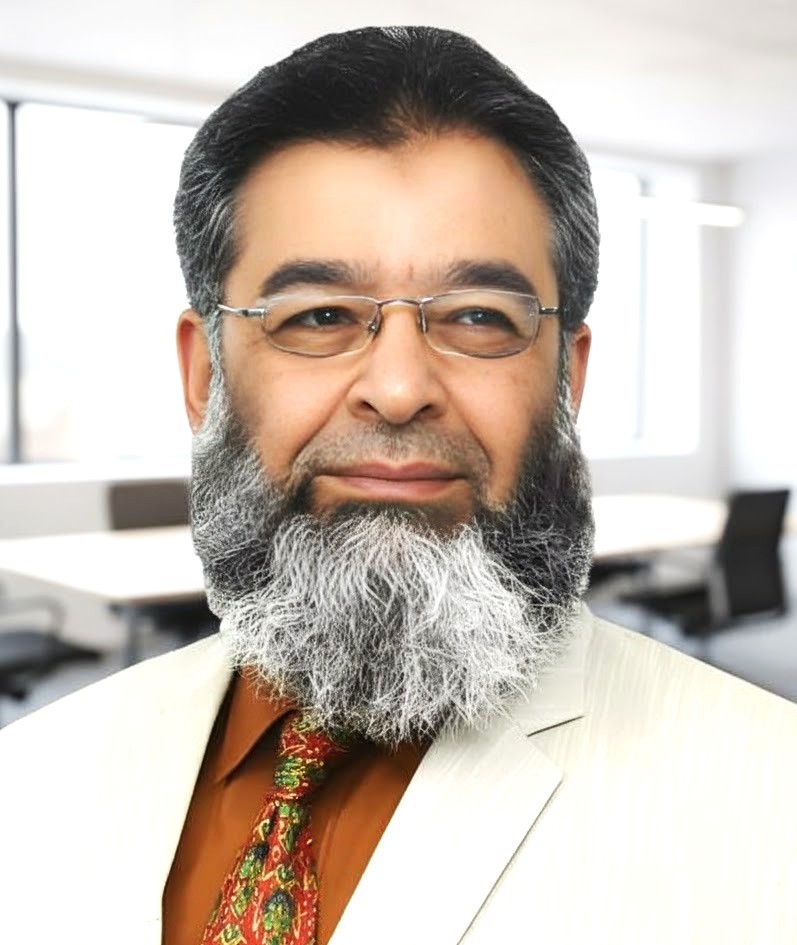
By Muhammad Mohsin Iqbal
In the divine order of creation, Allah Almighty granted humanity the honored status of Ashraf al-Makhluqat, the noblest of all creation. This distinction is not merely a privilege but a profound responsibility. It requires human beings to live according to the principles laid down in the Holy Quran and demonstrated through the life of Prophet Muhammad (peace and blessings be upon him). Islam offers a complete code of life that seeks to protect not only faith but also health, family, dignity and society. The clear distinction between halal and haram was established to safeguard human welfare. Whenever these moral boundaries become blurred, the consequences are felt not only in spiritual life but also in the physical and social wellbeing of communities.
The latest figures shared by the Federal Health Minister present a deeply troubling picture of Pakistan’s growing HIV challenge. The country now has around 84,000 registered HIV cases. While approximately 61,000 patients are receiving treatment, another 23,000 remain outside the healthcare system, making effective disease control significantly more difficult. The steady rise in infections over recent years reflects a crisis that extends beyond hospitals and clinics. In 2020, only 49 testing centers screened nearly 38,000 people and identified around 6,900 positive cases. By 2025, testing facilities had almost doubled to 97 centers, conducting more than 374,000 tests and confirming over 14,000 new infections. Islamabad alone has recorded hundreds of registered cases, many referred from neighboring regions. These statistics reveal a problem that deserves sustained national attention rather than occasional public concern.
Every HIV infection has a human story behind it. It represents an individual, a family and a community that must cope with physical illness, emotional hardship and, too often, social stigma. The increasing numbers cannot simply be viewed as entries in official reports. They demand serious reflection on the factors that continue to fuel the spread of preventable disease. Public health crises rarely emerge from a single cause. They are usually the result of institutional failures, insufficient awareness, unsafe practices and changing social behavior that together create conditions for disease to spread.
One of the most immediate concerns highlighted by the health minister is the continued reuse of syringes. Unsafe injection practices have contributed to several HIV outbreaks in Pakistan over the past decade. The proposal to ban larger 10cc syringes that are more frequently recycled reflects an attempt to close one avenue of transmission. Such measures are necessary, but they must be supported by strict enforcement. Hospitals, clinics and private medical practitioners should be held accountable for maintaining the highest standards of hygiene. Medical negligence has no place in a healthcare system entrusted with protecting lives. Every patient has the right to receive treatment without being exposed to preventable infections caused by poor sterilization or unsafe equipment.
The healthcare system, however, cannot shoulder this burden alone. HIV transmission is influenced by broader social realities that require honest discussion. Drug addiction remains a serious challenge in many parts of the country, and the sharing of contaminated needles continues to expose vulnerable populations to infection. Equally important is the need to encourage responsible personal conduct in accordance with Islamic teachings. Islam places great emphasis on modesty, self-discipline and respect for moral boundaries because these values protect individuals as well as society. The distinction between halal and haram is not merely a religious obligation but also a framework that helps preserve families, relationships and public health.
Modern technology has introduced opportunities that previous generations could scarcely imagine. Mobile phones and the internet have transformed communication, education and access to information. Yet these same technologies have also opened doors to influences that many families struggle to manage. Young people today are exposed to content and lifestyles that often conflict with the ethical values upheld by Islam. Without proper guidance from parents, teachers and religious scholars, digital platforms can encourage unhealthy attitudes towards relationships, morality and personal responsibility. Technology itself is neither good nor bad, but the manner in which it is used determines whether it becomes a source of benefit or harm.
Parents therefore carry an especially important responsibility. Moral education begins at home, where children first learn the values that shape their character. Families must devote time to open conversation, religious instruction and positive companionship. Schools should reinforce these lessons by combining academic excellence with ethical education that develops integrity, compassion and respect for others. Mosques and religious scholars also have an essential role in presenting Islamic teachings with wisdom, mercy and practical relevance to contemporary challenges. Faith-based guidance should strengthen awareness while encouraging compassion towards those living with HIV, who deserve medical care, dignity and support rather than rejection.
Government action must extend beyond policy announcements. Testing facilities should continue to expand, treatment must remain accessible and affordable, and awareness programs should reach even the most remote communities. Healthcare workers require regular training, while regulatory authorities must ensure strict compliance with infection-control standards in both public and private medical facilities. Strong surveillance systems and timely intervention can prevent isolated outbreaks from becoming wider public health emergencies.
(The writer is a parliamentary expert with decades of experience in legislative research and media affairs, leading policy support initiatives for lawmakers on complex national and international issues, and can be reached at editorial@metro-Morning.com)
HIV #HIVAwareness #PublicHealth #Pakistan #Healthcare #HealthAwareness #DiseasePrevention #MedicalSafety #InfectionControl #Islam #HealthPolicy #PatientSafety #CommunityHealth #Awareness #HealthcareWorkers #SocialResponsibility #CurrentAffairs #Opinion #PakistanHealth #MetroMorning
