





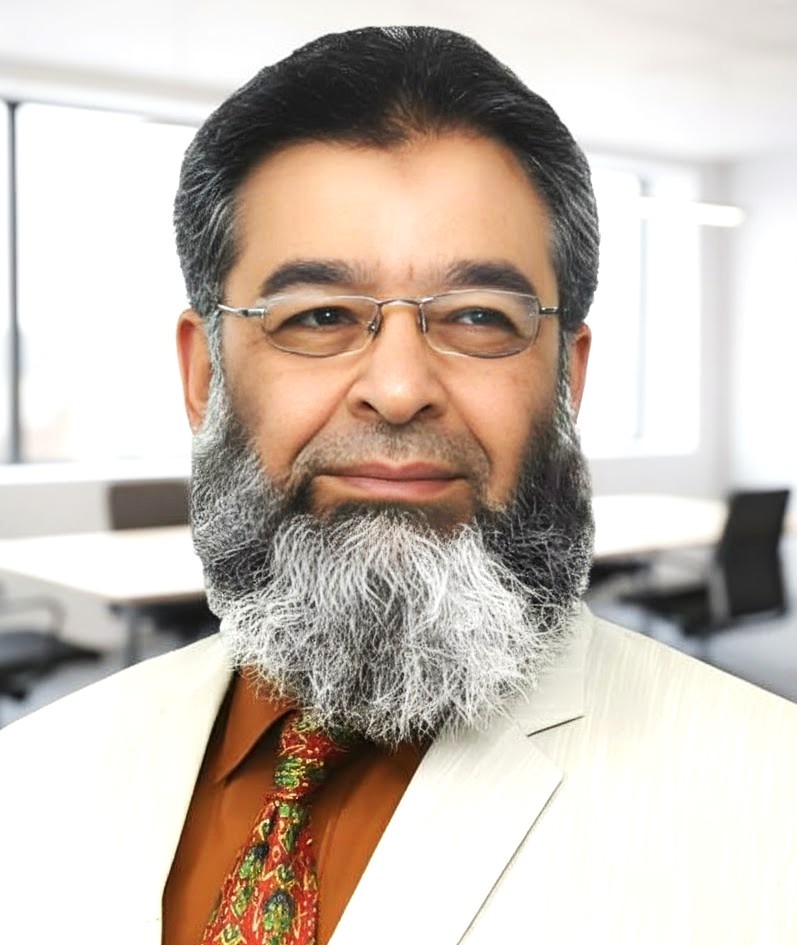
By Muhammad Mohsin Iqbal
Eid arrives each year like a gentle breeze after a long season of trial, carrying with it the fragrance of forgiveness, reunion, and gratitude. It is a day when hearts soften, when differences are forgotten, and when families gather beneath one roof to offer thanks for the strength to endure and the blessings to rejoice. In every town and village, in every street adorned with lights and laughter, the spirit of the festival transforms ordinary hours into moments of profound happiness. For those who live abroad, or who reside in distant cities in pursuit of livelihood, Eid holds a particular, aching sweetness.
They travel great distances, crossing oceans and deserts, boarding crowded trains and flights, driven by a singular purpose: to embrace their parents, children, and siblings. They strive to double the joy of the day by returning home, believing that no celebration is complete without the warmth of family. Their journeys reflect a universal truth—that the essence of Eid lies not merely in new garments or festive meals, but in the irreplaceable comfort of togetherness. Yet while millions rejoice within the safety of their homes, there are sons of the soil who stand watch where no festivity can reach them.
They remain at the borders, on the seas, upon the icy heights of glaciers, and in the vast expanse of the skies—vigilant, resolute, and utterly still. They cannot partake in the embrace of their children nor sit beside aging parents at the Eid table. Their place is at the frontiers, guarding the trust of a nation that, for a day, rests. Pakistan, situated in a region marked by enduring tensions, bears a burden that many other nations do not. There exist countries in the world whose borders are but lines upon maps, where neighbors exchange goodwill without suspicion, and where soldiers seldom confront the specter of hostility. We, however, are not so fortunate.
Our eastern neighbor and our western neighbor present challenges that compel constant vigilance. History has taught us, often at great cost, that complacency invites peril. Thus, our guards must remain ever alert, their senses tuned to the horizon, even when the rest of the nation bows in prayer and gathers in celebration. These sentinels of the homeland do not merely perform a duty; they embody a form of love that is expressed through absence. While children exchange gifts and laughter echoes through our homes, they scan horizons under a relentless sun or within a biting cold they did not choose.
On snow-covered peaks and along restless shores, in silent watchtowers and roaring fighter aircraft, they uphold the sovereignty of the state. Their celebration is not marked by festivity, but by steadfastness. Their joy, if it can be called that, lies in knowing that their compatriots—their own families among them—may celebrate without fear. It has long been a noble tradition that the chiefs of Pakistan’s armed forces spend Eid among their troops at the borders. This gesture is not ceremonial alone; it is a quiet, powerful symbol of unity between command and soldier, between leadership and sacrifice.
As a nation, we bear a collective responsibility toward these families that goes beyond the rhetorical. It is not enough to utter words of praise or to post messages of tribute. On the day of Eid, when we distribute gifts and extend hospitality, we should remember the homes of martyrs in our own neighborhoods and cities. A simple visit, a shared meal, a moment of sincere, unspoken gratitude can assure them that their sacrifice has not been forgotten. When we sit beside a grieving father or comfort a child who asks about his absent hero, we do something more powerful than offer condolences: we reaffirm that the blood shed for this land was not in vain.
Eid teaches us compassion, gratitude, and unity. Let us pray for those who guard our borders, that they may return safely to their families. Let us honor those who have fallen, by standing beside their loved ones with humility and respect. And let us remember that the peace we enjoy, the laughter that fills our homes, and the freedom to bow in prayer without fear are secured by the vigilance and sacrifice of others.
In doing so, our celebration of Eid will rise above mere festivity and become an expression of national solidarity. It will reflect a people who understand that happiness is sweetest when shared, and that gratitude is most meaningful when accompanied by responsibility. For on a day meant for togetherness, our greatest duty is to remember those from whom we are parted—whether by distance, by duty, or by the final, unbridgeable divide of sacrifice.
(The writer is a parliamentary expert with decades of experience in legislative research and media affairs, leading policy support initiatives for lawmakers on complex national and international issues, and can be reached at editorial@metro-Morning.com)
#EidReflections #FromEnduranceToGratitude #MuhammadMohsinIqbal #PakistanArmy #Sacrifice #EidMubarak #NationalHeroes #Borders #Gratitude #MetroMorning #PakistanNews #OpinionPiece #ThoughtLeadership #Eid2026 #RememberingTheMartyrs
