





In a rare display of cautious pragmatism, senior envoys convened for substantive, forward-looking talks, placing Afghanistan’s uncertain trajectory at the center of a quietly consequential regional dialogue
MM Report
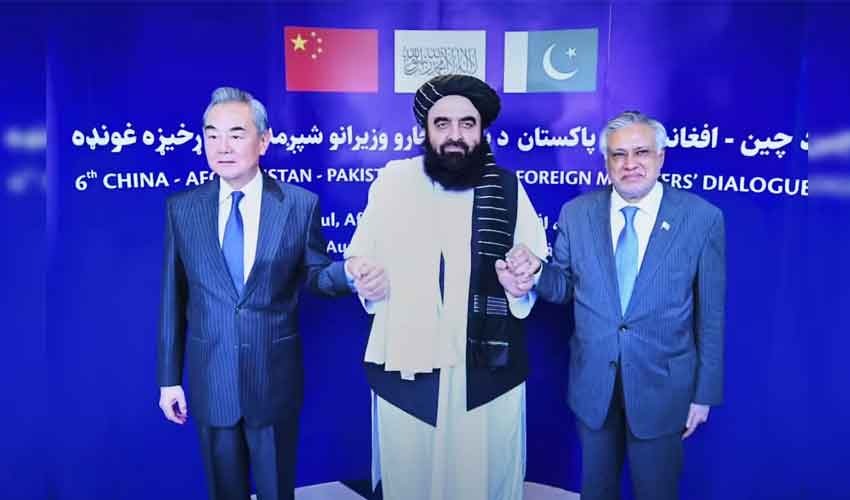
URAMQI, CHINA: Trilateral diplomatic engagement between Pakistan, China and Afghanistan has resumed after a period of relative dormancy, with officials from the three countries convening in Urumqi for the first round of renewed talks.
The meeting, described by diplomatic sources as substantive and forward-looking, brought together senior representatives to deliberate on issues of shared concern, with particular emphasis on the evolving situation in Afghanistan. The revival of the trilateral platform was widely seen as an attempt to restore structured dialogue at a time when regional stability remained closely tied to developments within Afghan territory.
Pakistan’s delegation was led by Ali Asad Gilani, the additional foreign secretary, who was said to have played an active role in the discussions. His participation reflected Islamabad’s continued effort to remain diplomatically engaged in shaping outcomes related to Afghanistan, a country with which it shares deep historical, political and security linkages.
Chinese officials, including Beijing’s special representative on Afghan affairs, were also present, underlining China’s position as both host and facilitator of the dialogue. Delegates representing the Afghan Taliban administration attended as well, signaling a pragmatic approach by regional actors to engage with the authorities currently in control in Afghanistan.
According to officials familiar with the proceedings, discussions centered on enhancing coordination in addressing security challenges, economic connectivity, and the broader question of regional stability. The inclusion of Afghanistan as a focal point in both bilateral and trilateral conversations highlighted the extent to which the country continued to shape diplomatic priorities in the region.
The talks in Urumqi also followed recent high-level exchanges between Islamabad and Beijing, during which the Afghan situation had featured prominently. Analysts viewed this continuity as indicative of a more synchronized approach between Pakistan and China, particularly in managing the political and security uncertainties emanating from Afghanistan.
While no formal communique was issued immediately after the meeting, the resumption of the trilateral mechanism itself was interpreted as a cautious but deliberate step towards rebuilding a cooperative framework. In a region often marked by fragmented diplomacy, the platform offered a rare channel through which neighboring states could align their strategies and manage shared risks.
