





Ali Pervaiz Malik pledged to lower petroleum prices once global oil markets ease, linking domestic relief directly to sustained declines in international crude rates
By our correspondent
ISLAMABAD: Petroleum Minister Ali Pervaiz Malik on Saturday said the government had increased petrol and diesel prices in line with commitments made to the International Monetary Fund (IMF), while assuring the public that fuel prices would be reduced once international oil prices decline.
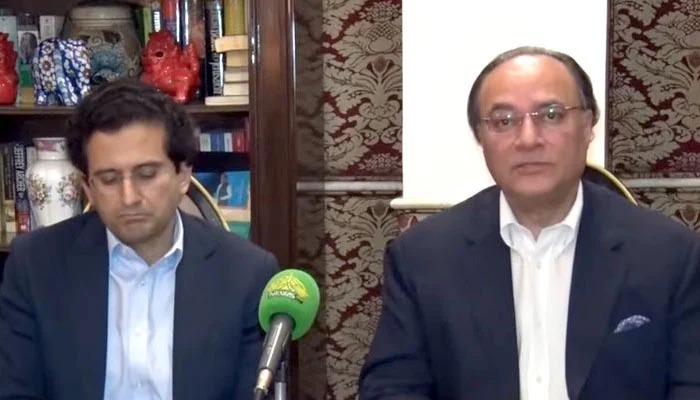
Speaking during a televised address alongside Finance Minister Muhammad Aurangzeb, Malik said that although there had not been any major fluctuation in global oil markets, the government had been required to raise fuel prices by around Rs14 per liter under its agreed commitments. He added that the government had also taken timely measures to ensure uninterrupted availability of petroleum products across the country.
The remarks came a day after the federal government increased petrol and high-speed diesel (HSD) prices by nearly Rs15 per liter for the coming week. Petrol prices were raised from Rs399.86 to Rs414.78 per liter, while HSD prices increased from Rs399.58 to Rs414.58 per liter. According to sources in the Petroleum Division, the petroleum development levy (PDL) on petrol and diesel was increased by Rs13.91 per liter.
The levy on petrol rose from Rs103.50 to Rs117.41 per liter, while the levy on diesel increased from Rs28.69 to Rs42.60 per liter. Malik said the government had maintained the levy at levels agreed with the IMF before Pakistan’s case was presented before the IMF Executive Board. He, however, maintained that the government would pass on relief more rapidly to consumers once international oil prices begin to fall.
Separately, the IMF Executive Board approved fresh financial support for Pakistan amounting to $1.32bn, including approximately $1.1bn under the Extended Fund Facility (EFF) and around $220m under the Resilience and Sustainability Facility (RSF). The IMF said the decision followed the completion of the third review of Pakistan’s economic reform program under the EFF and the second review under the RSF.
The lender said the funding would support Pakistan’s efforts to rebuild foreign exchange reserves, contain inflation, improve revenue collection and advance reforms, including the privatization of state-owned enterprises.
