





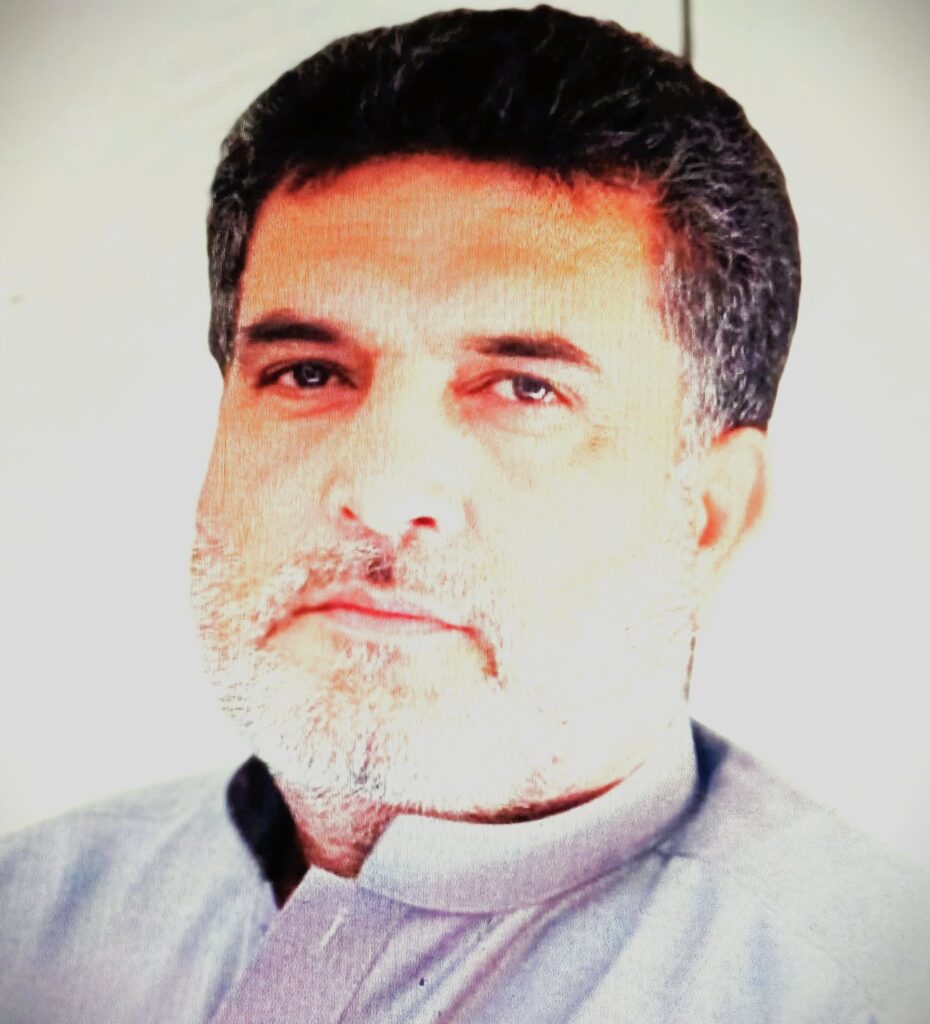
By Khpalwak Mohmand
The latest notification issued by the education department under the title “Experience No. 421” has once again exposed a troubling disconnect between policy-making and the everyday realities faced by ordinary citizens. Every year, as temperatures rise across Pakistan, authorities announce summer vacations with the promise of protecting students and teachers from dangerous weather conditions. Yet the same authorities quietly reopen schools under different labels such as “summer camps”, effectively forcing attendance despite officially declared holidays. What is presented as a welfare measure quickly turns into an exercise in bureaucratic contradiction, leaving parents, students and teachers frustrated and exhausted.
For families in urban centres with private transport and reliable electricity, summer may be inconvenient. For children in rural districts, tribal regions and low-income communities, it can become physically dangerous. In many parts of Khyber Pakhtunkhwa, June afternoons bring temperatures that turn roads into burning surfaces. Hot winds sweep through villages with little relief, while prolonged and unannounced power outages leave homes, classrooms and public spaces without fans or cooling systems. Under these conditions, children are still seen walking several kilometres to school carrying bags on their shoulders under a blazing sun.
Some of these students travel barefoot because their families cannot afford proper shoes. Others leave home without breakfast because inflation has pushed household budgets beyond breaking point. Yet they continue to attend because they fear punishment, low attendance records or academic pressure. It is difficult to describe such a system as student-centred when it demands endurance rather than learning.
Teachers face a similar burden. Much of the public discussion around education policy ignores the realities of those expected to implement it. Thousands of teachers in government schools commute long distances every day, often travelling fifty or sixty kilometres through poor transport networks simply to conduct short sessions that serve little academic purpose. Rising fuel prices have turned daily travel into a financial strain, while the physical exhaustion of travelling in extreme weather continues to grow. Many teachers privately admit that these summer camps are poorly planned and educationally ineffective, yet they remain bound by administrative instructions that leave little room for practical judgment.
The contradiction becomes even more alarming when basic educational resources are still missing. In many schools, new textbooks have not arrived despite the passage of months. Students attend classes without learning material, while teachers struggle to manage sessions with incomplete resources. Under such circumstances, the insistence on maintaining attendance through “summer camps” appears less like an educational initiative and more like an attempt to create the appearance of activity within the system.
At the heart of the problem lies a style of governance detached from lived experience. Education policies are too often drafted inside air-conditioned offices far removed from the realities of villages, mountainous districts and underdeveloped regions. Decisions are communicated through notifications and circulars without any serious understanding of how they affect ordinary people. If senior officials spent even a few days visiting government schools during peak summer heat, speaking directly to teachers and watching children walk home under extreme temperatures, they might begin to understand why public frustration continues to grow.
The government must move beyond symbolic measures and adopt policies grounded in realism and humanity. If summer vacations are announced, they should be implemented sincerely rather than undermined through indirect attendance requirements. Textbooks and learning materials must reach schools before academic sessions begin, not months later. Most importantly, education policy should reflect empathy for students and teachers who already carry the burden of economic hardship, failing infrastructure and climate extremes. A functioning education system is not measured by the number of notifications it produces, but by the dignity and safety it offers to those within it. Until that understanding shapes policy-making, the gap between official claims and public reality will only continue to widen.
(The writer is senior journalist at tribal district Mohmand, has in-depth knowledge of national and international issues, can be reached at editorial@metro-morning.com)
