





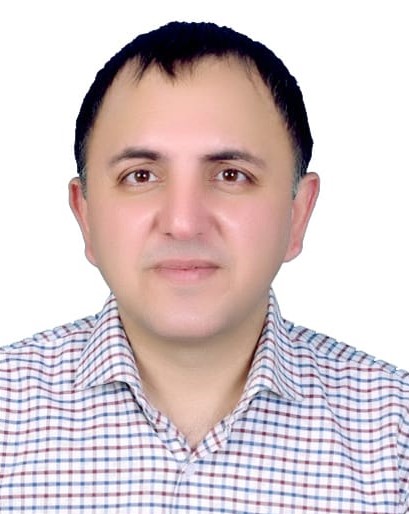
By Atiq Raja
The recent unrest in Azad Jammu and Kashmir (AJK) has once again brought the region into sharp focus. Reports of clashes between protesters and security forces, resulting in the tragic loss of civilian and security personnel lives, have saddened people across Pakistan and beyond. Every life lost serves as a painful reminder that political disagreements and public grievances should never be allowed to descend into violence.
At the heart of the current protests are demands raised by the Joint Awami Action Committee (JAAC) and other civil society groups. While some concerns relate to economic pressures such as electricity tariffs, wheat subsidies, inflation, unemployment and the state of public services, the movement has increasingly centred on questions of political representation and governance, particularly the controversy surrounding the 12 legislative seats reserved for Kashmiri refugees residing outside AJK.
Many protesters argue that these reserved seats grant disproportionate influence to non-residents over the political affairs of AJK and undermine the region’s democratic representation. Others maintain that the seats are constitutionally protected and exist to safeguard the rights of refugees displaced by the Kashmir conflict. This disagreement has created a political deadlock that has now spilled onto the streets.
Beyond the issue of reserved seats, many residents have voiced growing frustration over economic hardship, rising living costs, youth unemployment, governance reforms and the demand for greater participation in decisions affecting their future. These concerns should not be dismissed lightly, as they reflect genuine aspirations for dignity, development and accountable governance.
At the same time, violence, the destruction of public property, attacks on security personnel, the excessive use of force and restrictions on peaceful civic engagement only deepen mistrust between citizens and the state. No side benefits when blood is shed. The greatest suffering is borne by ordinary families who seek nothing more than security, stability and the opportunity for a better future.
The only sustainable path forward is meaningful and peaceful dialogue. The government must immediately engage with representatives of the protesters, civil society groups, political parties, youth organisations and community leaders. Such dialogue must be inclusive and sincere rather than symbolic or temporary.
An independent and transparent inquiry should also be established to investigate all incidents that led to the loss of lives. Accountability and justice remain essential for restoring public confidence and easing tensions within society.
Similarly, constitutional and political concerns surrounding representation, governance and reserved seats should be addressed through democratic and legal mechanisms rather than confrontation in the streets. Democratic societies are strengthened when disagreements are resolved through institutions, consultation and public trust rather than force and hostility.
Economic grievances must also receive serious and practical attention. Issues relating to electricity, employment, inflation, education, healthcare and local development cannot be ignored indefinitely. Long-term planning and responsible policymaking are necessary if public frustration is to be reduced in any meaningful way.
Equally important is the need for all stakeholders to reject the language of hostility and embrace the language of reconciliation. History repeatedly demonstrates that force may suppress protests temporarily, but it cannot eliminate the underlying causes of public dissatisfaction. Lasting peace emerges only when people feel heard, respected and included within the political process.
The people of Azad Jammu and Kashmir deserve peace, justice, development and democratic participation. The current crisis should serve not as another chapter of division, but as an opportunity for all sides to rebuild trust and strengthen dialogue.
In the end, the message remains simple yet powerful. Where violence creates wounds, dialogue creates solutions. Where confrontation creates uncertainty, dialogue creates hope. The future of Kashmir can only be secured through peaceful engagement, mutual respect and a shared commitment to human dignity.
(The writer is a rights activist and CEO of AR Trainings and Consultancy, with degrees in Political Science and English Literature, can be reached at news@metro-morning.com)
