





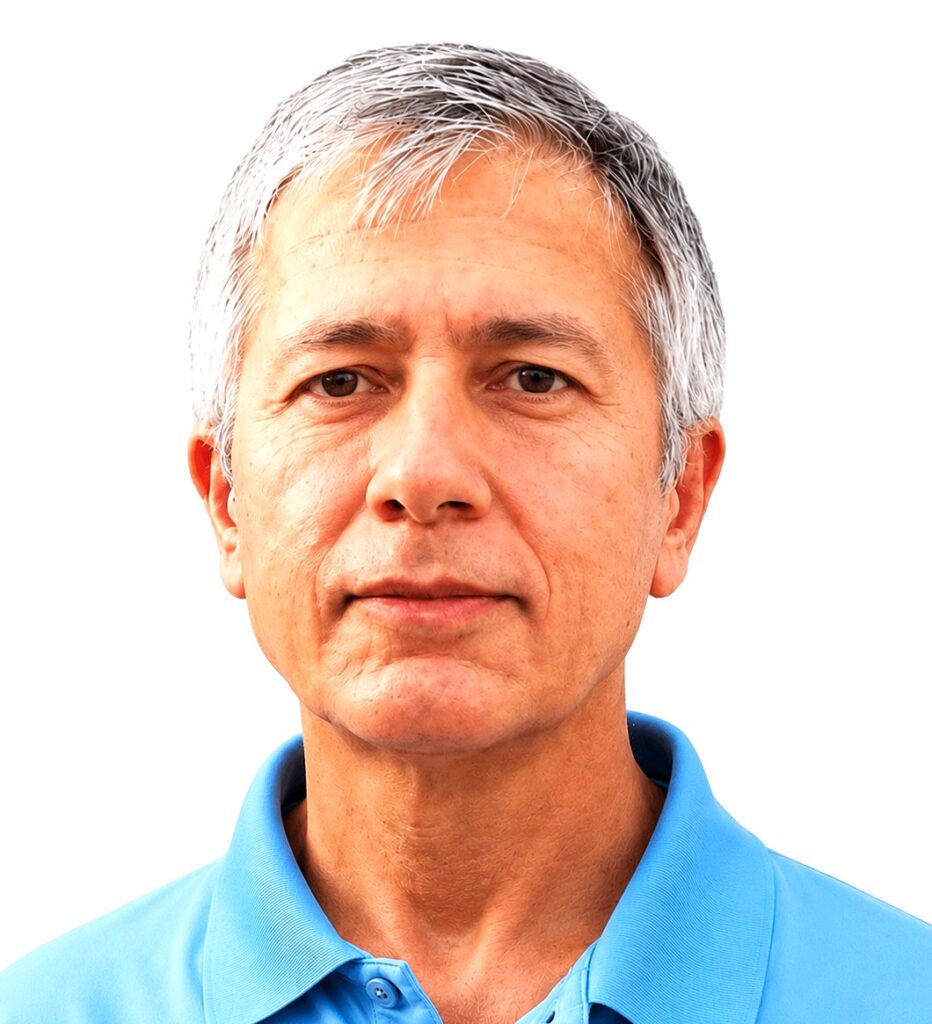
By Nayat Karim
Islamabad, originally conceived in the 1960s as a carefully planned capital for a relatively small population, has expanded far beyond the vision of its original master plan. According to the 2023 Population and Housing Census, Islamabad Capital Territory (ICT) is now home to more than 2.36 million residents, up from around 2 million in 2017 (Statistics, 2023), reflecting an annual growth rate of approximately 2.8 percent. The wider Islamabad–Rawalpindi metropolitan region now exceeds 5.7 million people (Statistics, 2023), making it one of Pakistan’s fastest-growing urban corridors.
The city has expanded from its original planned sectors into dozens of developed and emerging sectors, while rapid growth has also been driven by peri-urban settlements and a proliferation of private housing schemes such as Bahria Town, DHA, Gulberg Greens, Park View City, B-17 Multi Gardens, Capital Smart City and numerous smaller societies on the urban fringe. Today, more than 100 housing societies are reported to be approved, under review or operating within the broader Islamabad region. As population growth and migration continue, urbanisation has increasingly extended beyond the Capital Development Authority’s original planning framework, creating a metropolitan reality that integrates Islamabad, Rawalpindi, surrounding villages, and expanding commercial and residential developments.
Yet beneath this image lies a more complicated reality. In many parts of the city, residents encounter overflowing garbage, deteriorating public housing, congested roads, weak pedestrian access, informal parking, encroached public spaces and mounting environmental pressure. These are not isolated aesthetic concerns. They are signs of urban systems that have not kept pace with the growth, expectations and needs of the capital.
Against this backdrop, recent government announcements to transform Islamabad into Pakistan’s first smart city, develop a 1,000-acre park on the foothills of Margalla (Abbasi, 2026), and attract international investment for five-star hotels reflect ambition, which is welcome. But they also raise an essential question: should Islamabad’s next phase of development be led by flagship projects, or by fixing the systems citizens rely on every day? The issue is not whether Islamabad should modernise. It must. The issue is sequencing. A city cannot become smart through optics alone. It becomes smart when governance works, public services are reliable, mobility is efficient, the environment is protected, and citizens experience improvement in daily life.
Pakistan is among South Asia’s fastest-urbanising countries. While official statistics report that 39 percent of the population lives in urban areas, a World Bank analysis reveals that Pakistan’s true level of urbanisation is close to 88 percent, based on satellite imagery and the Degree of Urbanisation methodology (Barriga Cabanillas, Farooq, Meyer, & Wieser, 2025). Islamabad, once planned for a much smaller population and a more controlled form of urban expansion, is now part of a wider metropolitan reality that includes Rawalpindi, peri-urban settlements, new housing societies and expanding commercial activity.
The term “smart city” is often associated with sensors, digital platforms, surveillance systems, artificial intelligence, electronic ticketing, high-rise buildings and modern commercial districts (OECD, 2023). These tools can be useful, but they do not make a city smart by themselves. Without capable institutions and basic service delivery, technology risks becoming decoration rather than transformation.
For Islamabad, this means the smart city debate should begin not with hotels or towers, but with a practical test: can a citizen move safely, access services easily, find clean public spaces, use reliable transport and hold authorities accountable when services fail? If the answer is no, then the first stage of smart city reform must focus on the basics.
Islamabad’s governance model remains one of its central challenges. Unlike many successful capitals, the city does not have a fully empowered metropolitan government led by a directly elected mayor with clear authority over municipal services, planning and citizen accountability. Instead, authority is dispersed across federal structures, the Capital Development Authority, the ICT Administration, police, utility providers and other agencies. The Ministry of Interior also plays a major role in the city’s oversight.
Nothing exposes the gap between vision and reality more quickly than unmanaged waste. In several parts of Islamabad, garbage is still dumped along roadsides, in open spaces, near drains or around local markets. This affects public health, damages the environment and weakens the city’s image. A smart city must first be a clean city. The immediate priority should be reliable daily waste collection, strict enforcement against illegal dumping, designated waste-transfer points, public awareness campaigns and clear service standards for every sector. Waste segregation at source should begin through pilot schemes in selected sectors, schools, offices and markets before expanding city-wide.
Islamabad cannot become a genuinely smart city while remaining heavily dependent on private vehicles. The Metro Bus service and new electric bus initiatives are positive steps, but demand continues to exceed supply, and last-mile connectivity remains weak. Many residents still rely on private cars, motorcycles, informal transport or expensive ride-hailing services because public transport is not sufficiently integrated across sectors.
The short-term priority should be to expand affordable, reliable and frequent bus routes across all sectors, improve feeder services, introduce safe bus stops and build pedestrian-friendly access to stations. Cycling lanes, shaded walkways and safe crossings should be introduced where feasible, especially around schools, markets, offices and public institutions.
Islamabad’s greatest advantage is its natural setting. The Margalla Hills, green belts, nullahs, parks and tree cover give the city an identity few capitals possess. But these assets are not guaranteed. Urban expansion, heat, pollution, deforestation risks, unmanaged waste and pressure on green spaces threaten the city’s long-term sustainability.
A smart Islamabad must be climate-resilient. This means protecting the Margalla Hills, restoring polluted streams and drainage channels, expanding tree cover with native species, improving rainwater management, creating water reservoirs and lakes, preventing construction in ecologically sensitive areas and adopting green building standards. Parks should not only be beautification projects; they should be part of a wider ecological system that reduces heat, protects biodiversity and improves public health.
(The writer is a humanitarian and development practitioner and independent researcher based in Islamabad. He writes on climate change, governance, geopolitics, and issues related to public interest. He can be reached at karimuw@gmail.com)
