





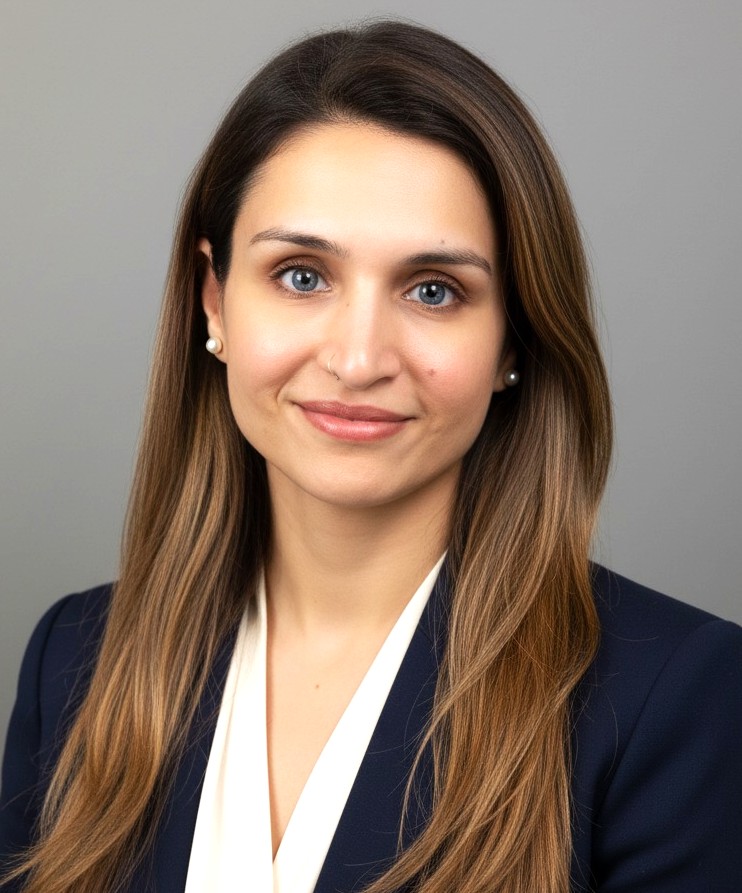
By Alia Zarar Khan
It is encouraging to observe a gradual but noticeable shift in parts of society where women are increasingly finding the confidence, language, and institutional backing to speak openly about harassment, abuse, and experiences that were once routinely silenced or dismissed. What is particularly significant is not only the willingness to speak, but also the fact that such accounts are now more likely to receive timely attention, both from the public and from relevant authorities, rather than being pushed into obscurity.
In recent years, there has been a growing sense that formal mechanisms of response are beginning to function with greater urgency in sensitive cases. Complaints that may once have lingered in bureaucratic limbo are now, in some instances, met with quicker acknowledgement and action. While this change is neither uniform nor complete, it does reflect a shift in expectations: that allegations will be heard, and that institutions have a responsibility to respond.
Within this evolving environment, credit is often attributed to political leadership that has foregrounded women’s safety and access to justice as part of the public agenda. In particular, Maryam Nawaz is frequently cited by many women as a figure under whose leadership they feel a greater sense of institutional responsiveness. This perception is shaped less by isolated events and more by a broader pattern in which women increasingly turn to public representatives and official channels to report grievances and seek intervention. For many, this visibility of response has helped reinforce the idea that speaking out is no longer automatically futile.
At the same time, law enforcement institutions have, in a number of cases, demonstrated a more immediate willingness to take notice of complaints involving harassment or abuse. This does not mean that structural challenges have been resolved, but it does suggest an incremental shift towards recognising the seriousness of such cases. The role of the media has also remained central in this process, often amplifying voices that might otherwise go unheard and ensuring that public attention is directed towards matters of accountability. Alongside this, commentators and analysts continue to shape public discourse, helping translate individual incidents into wider conversations about rights, dignity, and institutional responsibility.
For many women, this change carries particular weight when viewed against the backdrop of earlier social norms. Not long ago, silence was frequently framed as virtue, endurance as strength, and public discussion of personal harm as something to be avoided at all costs. Women were often expected to preserve respectability at the expense of visibility, while men, in many contexts, faced comparatively less scrutiny for similar behaviour. Although these attitudes have not disappeared, they are increasingly being questioned in public space, and in some cases actively challenged.
What is especially notable today is the gradual shift in public sentiment. There appears to be a growing willingness to listen before judging, and to evaluate claims on their substance rather than dismissing them through character-based deflection or stigma. While attempts to discredit or shame women still occur, they are now more likely to be contested publicly, and less likely to go unchallenged.
At the same time, the expansion of digital platforms has introduced new risks. Social media, while providing space for expression and accountability, has also become a vehicle for misinformation, defamation, and targeted personal attacks. This duality has made it increasingly important to draw clearer boundaries around responsible use. The challenge now is not only to ensure that women can speak, but that the spaces in which they speak are not distorted by harassment or manipulation. The broader trajectory, however, suggests cautious progress. It is not a completed transformation, but it is a meaningful shift towards a society in which women’s voices are more visible, more contested, and more difficult to ignore.
(The writer is a law graduate and advocate of the high court in Pakistan, currently based in Saudi Arabia, can be reached at editorial@metro-morning.com)
