





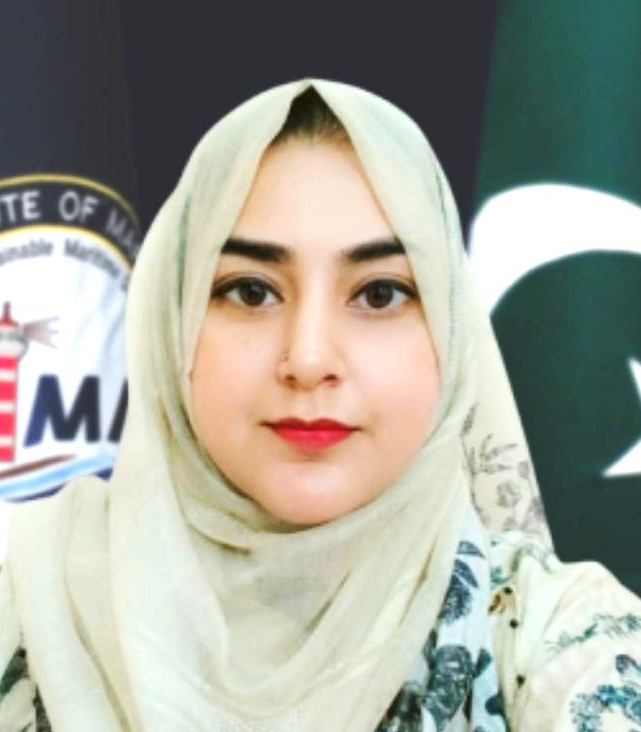
By Dr. Mushaiyada Mairaj
Pakistan’s extensive coastline along the Arabian Sea and the Indus River system support diverse fisheries and aquatic ecosystems. However, rapid urbanization, population growth, inadequate waste management, and increasing plastic consumption have intensified environmental pressures on these resources. Large quantities of plastic waste generated in urban centers eventually reach rivers and coastal waters. Karachi, Pakistan’s largest coastal city, contributes significantly to marine pollution due to industrial discharge, municipal waste, shipping activities, and fishing operations. Scientific studies have identified microplastics in fish collected from Pakistan’s coastal waters and fish markets. Researcher have found plastic fibers, fragments and pellets in the digestive systems of various commercially important fish species.
These findings indicate that marine organisms are continuously exposed to plastic pollution within the Arabian Sea ecosystem. The Indus River also serves as a major pathway through which plastic waste enters marine environments. As a result, microplastic contamination poses a growing threat to fisheries, marine biodiversity and coastal communities that depend on fishing for their livelihoods. The ingestion of microplastics can adversely affect fish in multiple ways. Plastic particles may obstruct digestive tracts, reduce feeding efficiency, and create a false sensation of fullness, leading to reduced growth and poor nutritional status. Microplastics may also cause internal injuries, inflammation and physiological stress.
Furthermore, toxic chemicals associated with plastic particles can disrupt hormonal systems, impair reproduction, weaken immune responses and increase susceptibility to disease. At the ecosystem level, microplastics affect organisms across the food web, including plankton, shellfish, crustaceans, fish, seabirds, and marine mammals. Because many species consume one another, plastic contamination can be transferred through trophic levels, amplifying its ecological consequences. Fish and seafood constitute an important source of protein and essential nutrients for millions of people worldwide. The presence of microplastics in fish has therefore generated concerns regarding human exposure through food consumption. For Pakistan, where fish consumption and fisheries-based livelihoods remain important, ensuring seafood safety is critical for public health and economic stability.
Addressing microplastic pollution requires coordinated action at local, national, regional and international levels. Pakistan should invest in modern waste collection, recycling, and disposal infrastructure. Effective waste management can significantly reduce the amount of plastic entering rivers and coastal environments. Governments should gradually phase out unnecessary single-use plastic products such as plastic bags, straws, disposable cutlery and foam packaging. Encouraging reusable and biodegradable alternatives can help reduce environmental contamination. Manufacturers should be required to take responsibility for the collection, recycling, and environmentally sound disposal of plastic products. Such policies encourage sustainable product design and reduce plastic waste generation. A comprehensive monitoring framework should be established to assess microplastic contamination in fish, sediments, rivers, and marine waters.
Regular monitoring will provide valuable data for policymaking and environmental management. Food safety authorities should include microplastic assessments in seafood quality control programs. Routine testing can help identify contamination hotspots and protect consumers. Advanced filtration technologies should be incorporated into wastewater treatment plants to prevent microplastics from entering aquatic ecosystems. Governments and academic institutions should invest in research on microplastic distribution, ecological impacts, seafood contamination, and human health risks. Evidence-based policymaking depends upon reliable scientific data.
Programs for recovering and recycling abandoned fishing gear should be introduced. Environmentally responsible fishing practices can reduce one of the major sources of marine plastic pollution. Educational campaigns should encourage responsible plastic consumption, recycling, and waste segregation. Public participation is essential for long-term success in reducing plastic pollution.
National efforts to address microplastic pollution should align with international environmental agreements and sustainable development objectives. The United Nations Sustainable Development Goals (SDGs), particularly SDG 14 (Life Below Water), SDG 12 (Responsible Consumption and Production), and SDG 13 (Climate Action). Global initiatives led by the United Nations Environment Programme (UNEP) to combat marine litter and plastic pollution. International Maritime Organization (IMO) regulations aimed at preventing marine pollution from ships and maritime activities. Emerging international agreements focused on reducing plastic pollution throughout the entire lifecycle of plastics. Aligning national policies with these frameworks can strengthen environmental governance and attract technical and financial support for pollution control initiatives.
Microplastics in fish have emerged as a global environmental challenge with significant implications for marine ecosystems, fisheries, food security and public health. From the oceans of North America and Europe to the coastal waters of Pakistan, evidence increasingly demonstrates the widespread contamination of aquatic environments by plastic particles. Hence there is an urgent need for integrated action strengthening waste systems, enforcing plastic regulations, promoting sustainable fisheries, expanding monitoring, raising public awareness and fostering international cooperation to curb pollution, protect marine biodiversity, secure seafood safety, and safeguard future generations.
(The writer is a research fellow at the National Institute of Maritime Affairs (NIMA). Her core areas of research focus on Pakistan’s coastal ecosystems, specifically targeting the intersection of environmental risks and the sustainable blue economy. She can be reached at editorial@metro-morning.com.)
