





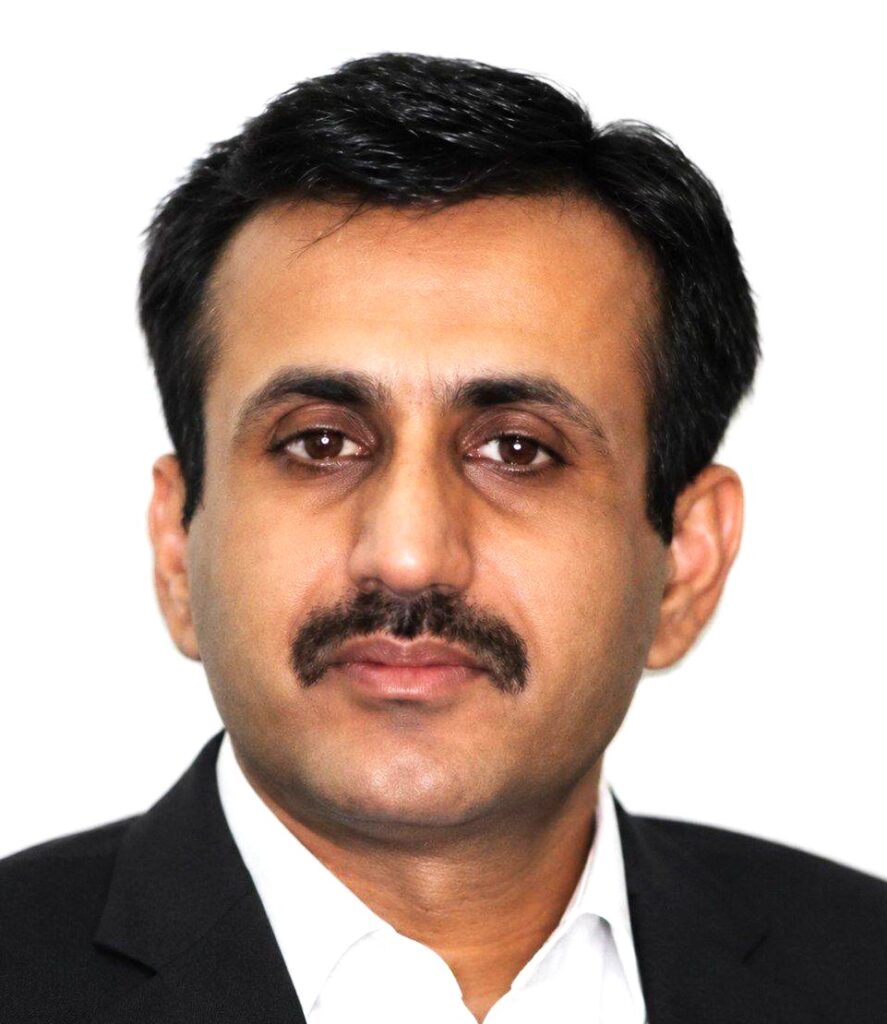
By Ali Nawaz Rahimoo
In rural Pakistan, poverty is no longer simply a figure in an economic report. It is the reality that shapes every decision a family makes from sunrise to sunset. It determines whether children go to school or join the workforce, whether a sick parent receives treatment or endures illness, and whether there is enough food for dinner. For millions of people, poverty is no longer a temporary hardship but an enduring condition that has become woven into everyday life.
Consider a family of five attempting to survive on a monthly income of just Rs15,000. By the time essential expenses such as food, electricity, transport, school supplies and medicine are covered, little or nothing remains. Every new day begins with uncertainty, and every unexpected expense threatens to push the household further into hardship. For these families, financial planning has become impossible because survival itself has become the daily priority.
This experience is shared by countless households across Pakistan’s villages. In Sindh, southern Punjab, Khyber Pakhtunkhwa and Balochistan, many agricultural workers and daily wage labourers rely on seasonal employment that offers neither stability nor security. A poor harvest, a missed day’s work or a sudden rise in prices can erase what little income they manage to earn. Without savings or reliable social protection, many remain trapped in a cycle that is increasingly difficult to escape.
Government welfare schemes continue to promise relief, yet many of the poorest citizens remain beyond their reach. Programmes intended to support vulnerable communities often depend on documentation, land ownership or official registration that many rural families simply do not possess. Even initiatives such as the Hari Card, designed to assist landless agricultural workers with farming inputs, frequently fail to reach those who need them most. Those living on the margins often remain invisible to the very systems established to support them.
The circumstances facing landless Hari families are particularly difficult. Many own neither farmland nor permanent homes. They live on land belonging to landlords, working as sharecroppers or farm labourers until employment disappears and they are forced to move elsewhere in search of work. This constant migration denies them stability and limits access to education, healthcare and government services. Poverty, in these communities, extends beyond the absence of income. It also reflects the absence of security, permanence and opportunity.
Economic pressures have intensified these hardships. Rising fuel prices have increased transportation costs, while inflation has driven up the price of food and other essentials. Rural households, which already devote most of their income to basic necessities, have little room to absorb these increases. Many families cope by reducing meals, withdrawing children from school or borrowing money that deepens their financial burden.
Climate change has further exposed the vulnerability of rural communities. Repeated monsoon floods continue to destroy crops, livestock and homes across large parts of the country. For households already struggling to survive, such disasters erase years of effort within days, leaving them dependent on emergency assistance and uncertain about their future.
The latest Economic Survey 2025-26 underlines the scale of the challenge. Pakistan’s national poverty rate has risen from 21.9% in 2018-19 to 28.9% in 2024-25, reversing years of gradual progress. An estimated 27 million additional people have fallen below the poverty line during this period, bringing the total number living in poverty to around 70 million. Rural communities have suffered the greatest setbacks, with poverty climbing from 28.2% to 36.2%, compared with an increase from 11% to 17.4% in urban areas.
The provincial picture is equally troubling. Poverty has increased across Punjab, Sindh, Khyber Pakhtunkhwa and Balochistan, with the latter remaining the country’s poorest province. At the same time, widening inequality, reflected in the rising Gini coefficient, suggests that economic growth and recovery have been unevenly distributed, leaving many households further behind even as others adapt.
There have been encouraging developments in education, literacy, immunisation and child health, demonstrating that sustained investment in social services can produce meaningful progress. Yet these achievements alone cannot overcome poverty unless they are matched by stronger employment opportunities, affordable healthcare, better housing and an economy capable of generating stable incomes.
Pakistan’s economic recovery cannot be judged solely through fiscal indicators or macroeconomic stability. Its true success will depend on whether ordinary families experience meaningful improvements in their daily lives. Reducing inflation, creating productive jobs and strengthening social protection must remain central priorities if growth is to become inclusive.
For now, millions of rural Pakistanis continue to face uncertain livelihoods and rising living costs with remarkable resilience but diminishing hope. Poverty is not merely increasing; it is becoming deeper, more entrenched and more difficult to escape. Unless policy responses place the needs of the most vulnerable at their centre, the distance between economic progress on paper and the realities of everyday life will continue to widen.
(The writer is a social development professional. He can be reached at editorial@metro-morning.com)
