





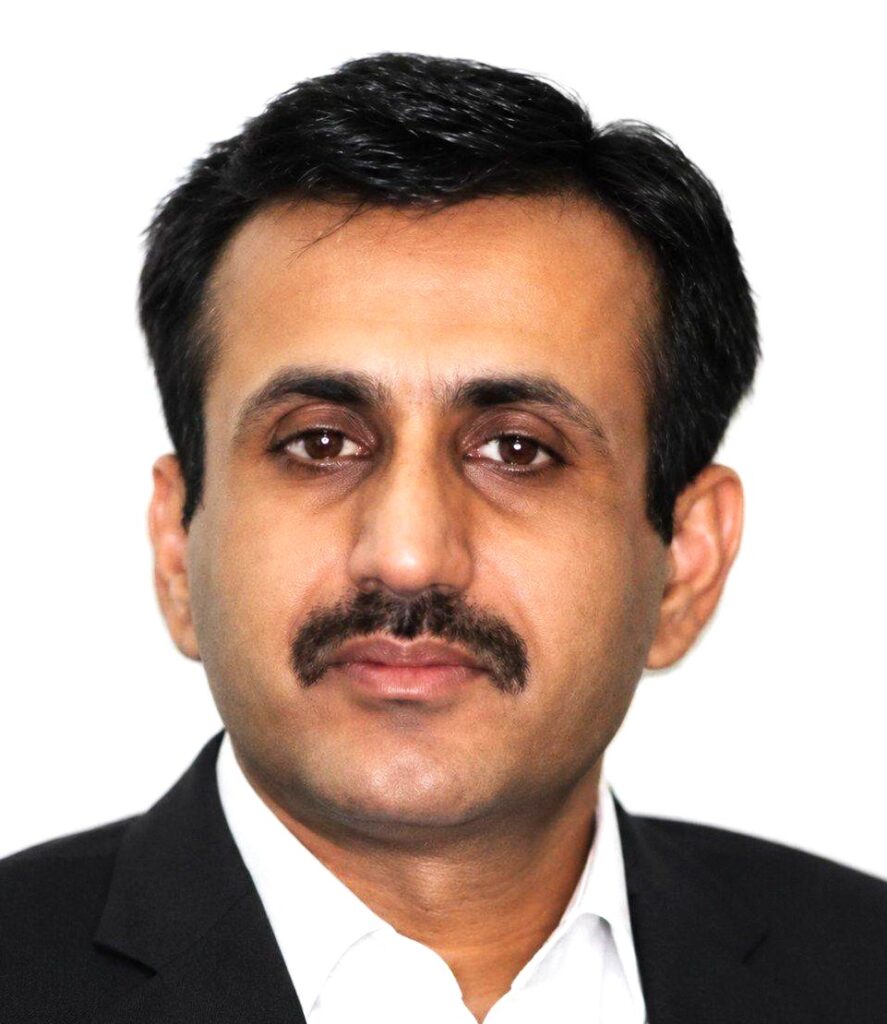
By Ali Nawaz Rahimoo
Poverty in Pakistan is not merely an economic statistic; it is the daily reality that shapes the lives of millions of people. It determines whether a child goes to school or enters the labour market at an early age, whether a family can afford medical treatment or must suffer in silence, and whether young people see opportunity ahead or feel trapped by circumstances beyond their control. Although successive governments have introduced poverty reduction programmes and social welfare initiatives, the scale of deprivation remains alarming. Poverty persists not simply because of a shortage of income, but because deep-rooted structural problems continue to deny millions of Pakistanis access to education, healthcare, employment and equal opportunities.
To understand poverty in Pakistan is to recognise that it is multidimensional. It is reflected in overcrowded classrooms where children struggle to learn, under-resourced hospitals unable to provide basic treatment, unsafe drinking water, inadequate sanitation, poor housing and the absence of secure employment. For many families, daily life revolves around impossible choices. They must decide whether to spend their limited income on food, school fees, medicines or utility bills. These are not temporary hardships but recurring realities that keep entire households trapped in poverty, making social mobility increasingly difficult.
The latest figures released by the World Bank paint a deeply concerning picture. Pakistan’s poverty rate has risen to 44.7 per cent in 2025, with nearly 107 million people now living below the international lower-middle-income poverty line of 4.20 dollars per person per day. Behind these figures are ordinary families struggling to cope with relentless inflation that has increased the cost of food, electricity, fuel, transport and healthcare. Even households with steady employment often find that their salaries no longer cover essential living expenses. As purchasing power declines, savings disappear, investments in education are postponed and financial insecurity becomes a permanent feature of everyday life.
Employment remains one of the country’s greatest challenges. Pakistan possesses a large and youthful population that should represent a valuable economic asset, yet the economy has consistently failed to create sufficient quality jobs. Every year, hundreds of thousands of educated young people enter the labour market only to find limited opportunities. Many eventually accept informal employment where wages are low, working conditions are poor and job security is almost non-existent. Without social protection or stable incomes, even employed workers remain vulnerable to economic shocks. Rising inflation has further widened the gap between earnings and living costs, leaving many families unable to improve their standard of living despite working long hours.
Education has long been recognised as the most effective path out of poverty, yet it remains inaccessible for far too many children. Financial hardship forces countless students, particularly in rural and low-income urban communities, to leave school before completing their education. Many schools continue to struggle with shortages of teachers, classrooms, learning materials and basic facilities. Girls face additional challenges arising from social norms, early marriage and concerns over safety. Without quality education and vocational skills, young people are denied access to better employment opportunities, reinforcing the cycle of poverty from one generation to the next.
Rapid population growth has added further pressure to an already strained economy. The demand for schools, hospitals, housing, transport and employment continues to outpace the state’s ability to provide them. While economic growth has occurred in certain sectors, it has not been sufficiently inclusive to absorb the country’s expanding workforce. The result is increasing competition for limited resources, greater pressure on public services and widening inequality between those who have access to opportunities and those who remain excluded.
The challenges are particularly evident in rural Pakistan, where agriculture remains the primary source of livelihood for millions of people. Farmers face mounting difficulties caused by water shortages, outdated farming methods, rising production costs and limited access to modern technology. Climate change has intensified these problems through recurring floods, prolonged droughts and increasingly unpredictable weather patterns that destroy crops, livestock and rural infrastructure. For small farmers living with limited financial reserves, the loss of a single harvest can plunge entire families into years of economic hardship.
(The writer is a social development professional. He can be reached at editorial@metro-morning.com)
