





The signatories urged India and Pakistan to urgently restore official dialogue, warning that practical confidence-building measures were essential to easing mistrust and preventing future tensions
MM Report
ISLAMABAD/NEW DEHLI: More than 100 leading public figures from India and Pakistan called on the governments of both countries to take urgent steps to restore diplomatic engagement, arguing that sustained dialogue remained the only credible path towards easing tensions and promoting regional stability.
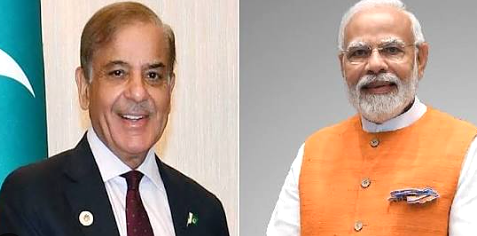
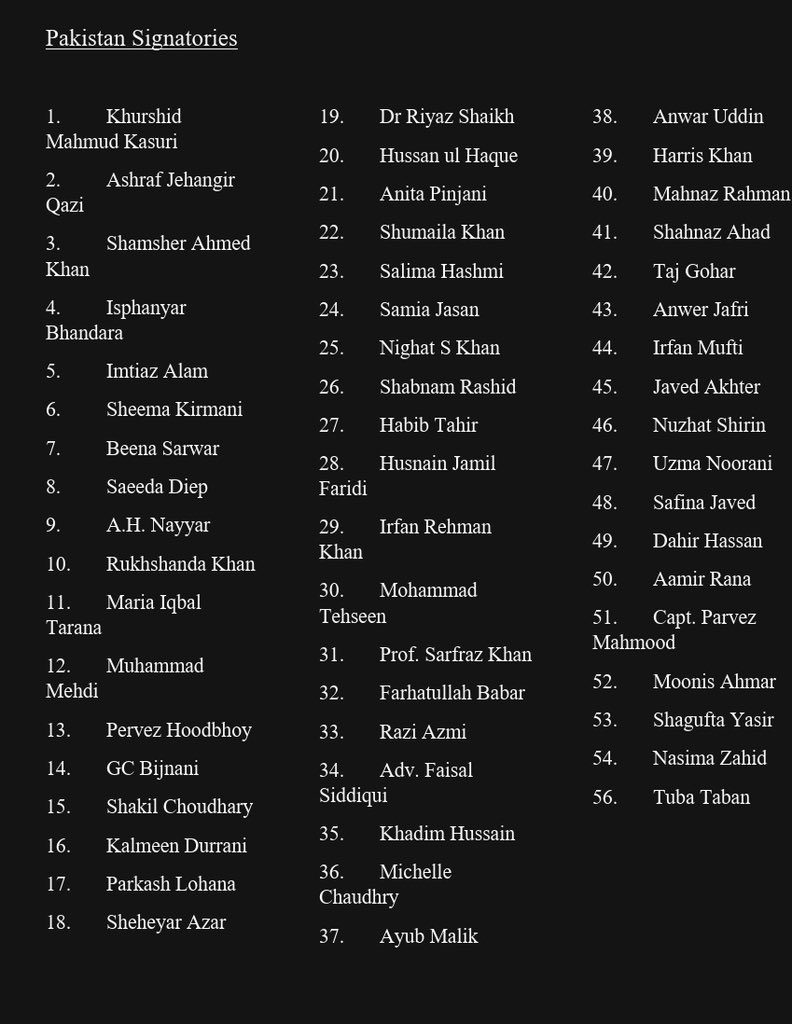
In an open letter addressed to Indian Prime Minister Narendra Modi and Pakistani Prime Minister Shehbaz Sharif, 117 (61 from India, 56 from Pakistan) eminent political leaders, academics, former diplomats, civil society representatives and public intellectuals appealed for an immediate resumption of formal talks after years of strained relations between the two nuclear-armed neighbours.
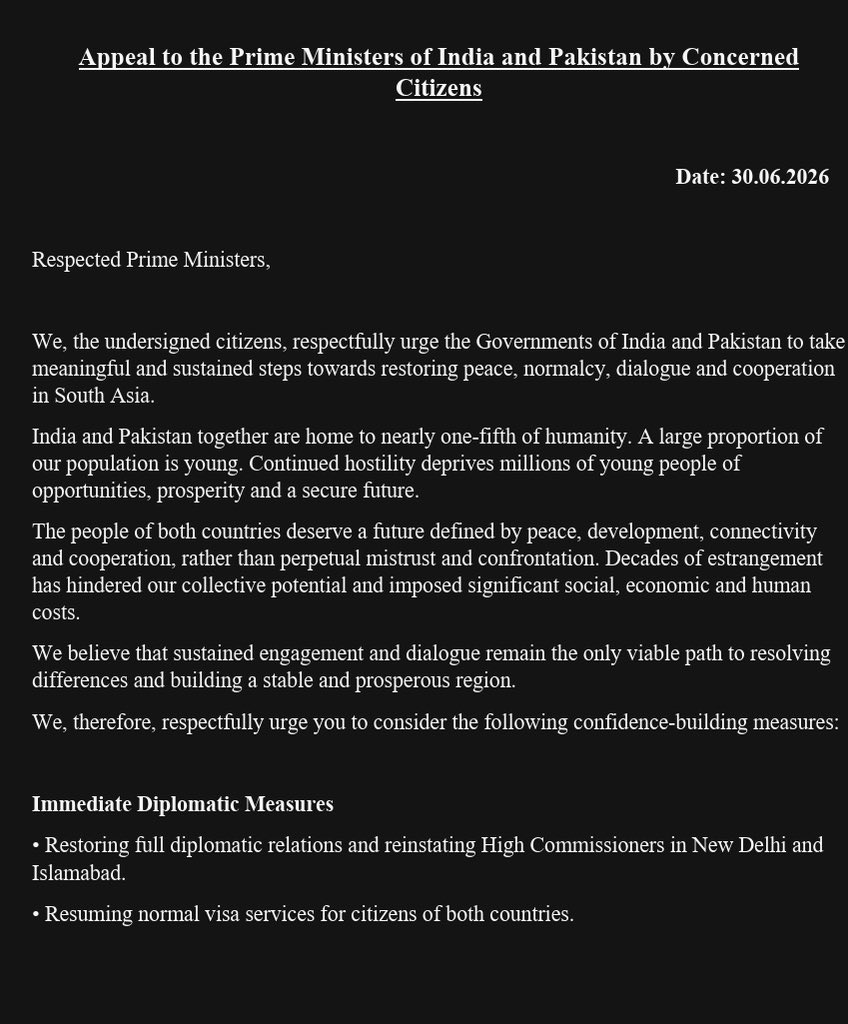
The signatories said both governments should move quickly to rebuild official channels of communication and adopt practical confidence-building measures designed to reduce mistrust. They argued that diplomacy, rather than prolonged confrontation, offered the best chance of preventing further deterioration in bilateral relations and creating conditions for lasting peace.
Among those who endorsed the appeal were former RAW chief AS Dulat, former Indian minister Mani Shankar Aiyar, veteran politician Farooq Abdullah, former Jammu and Kashmir chief minister Mehbooba Mufti and several prominent Pakistani political and social figures, including Khurshid Kasuri, Imtiaz Alam, Sheema Kirmani, Pervez Hoodbhai, and Moonis Ahmer.
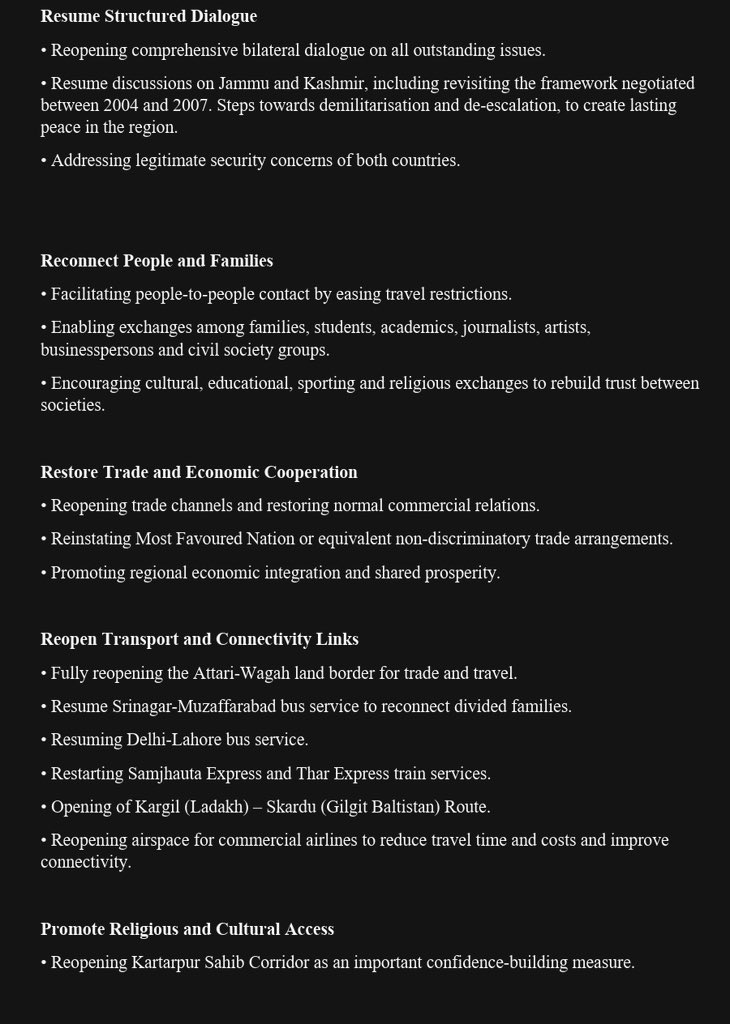
The group represented a broad cross-section of voices from both countries who have long advocated greater regional cooperation. The letter urged New Delhi and Islamabad to restore their respective high commissioners, resume visa services to make travel easier for ordinary citizens, and reopen their airspace to commercial flights.
The signatories said these measures would help revive long-standing people-to-people contacts that had been severely disrupted by diplomatic disputes in recent years. They also stressed that rebuilding official communication would create opportunities for wider cultural, educational and economic exchanges, helping to foster greater understanding between the two societies.
Improved mobility for students, academics, artists, business leaders and families separated by the border was described as an important step towards rebuilding confidence and reducing hostility. The appeal came against the backdrop of continuing diplomatic tensions that have limited bilateral engagement and disrupted cross-border travel and cooperation.
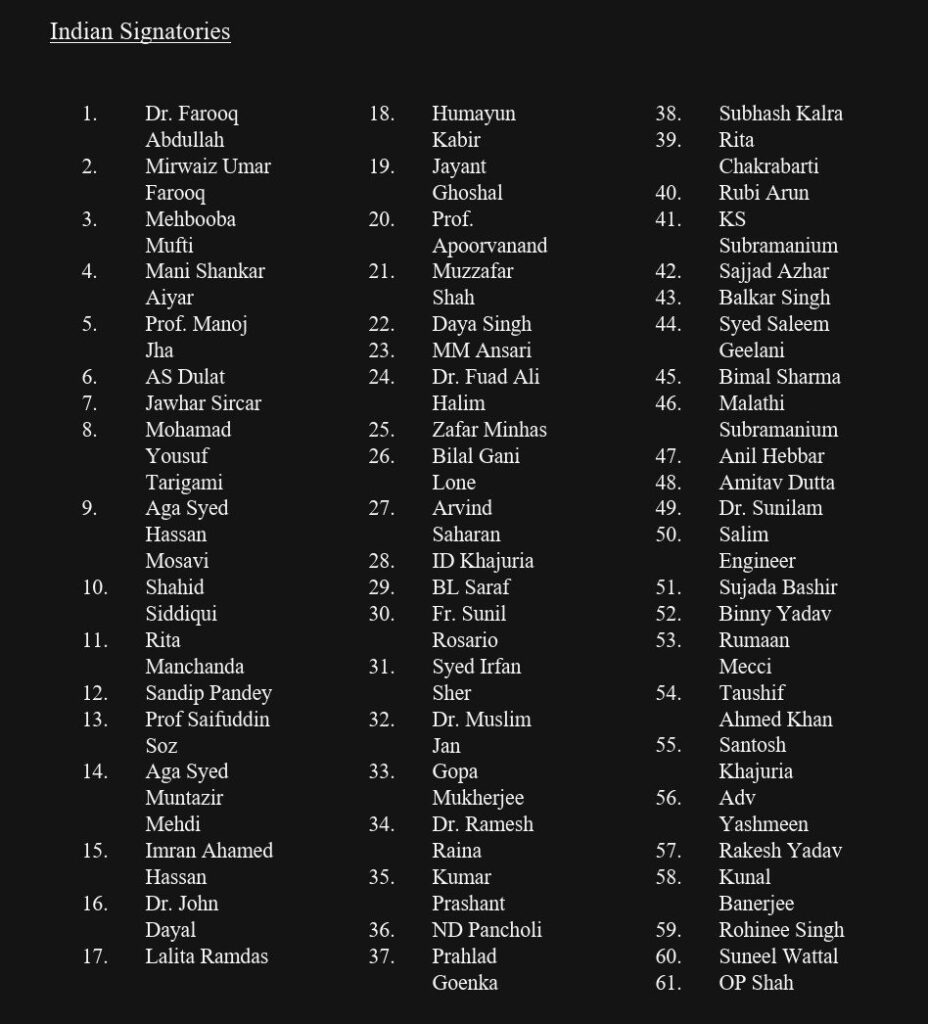
According to India Today, the signatories urged both governments to place dialogue ahead of confrontation, maintaining that meaningful engagement remained essential for ensuring peace, security and long-term stability across South Asia.
