





By Pervaiz Mughal
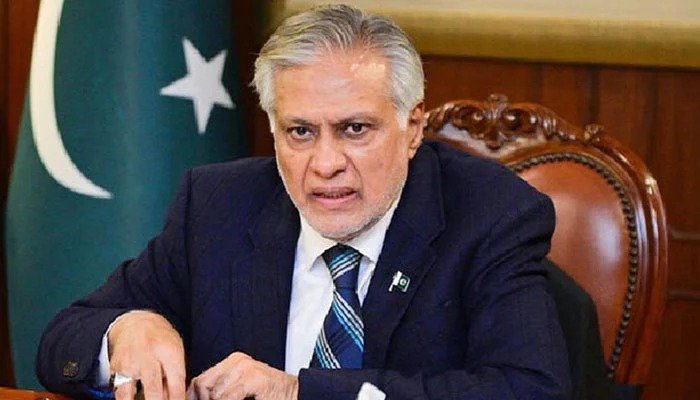
ISLAMABAD: Deputy Prime Minister and Foreign Minister Ishaq Dar has said that the next phase of negotiations between the United States and Iran is likely to be more complex, even as he maintained that a comprehensive agreement remains achievable if momentum from the current diplomatic track is sustained.
Speaking in an interview with an Arab news outlet, Dar said Iran was expected to reduce the level of its uranium enrichment under the emerging understanding, while rejecting earlier US proposals that had sought the removal of enriched uranium stockpiles from Iranian territory. He suggested that both sides had already begun adjusting their positions in response to technical and political realities.
He said three technical working groups were being formed to address key areas of contention, including Iran’s nuclear programme, frozen financial assets, and broader regional issues relating to Lebanon. The establishment of these parallel tracks, he indicated, was intended to prevent the negotiations from stalling on any single point of disagreement.
Dar also disclosed that, under the evolving framework, vessels transiting the Strait of Hormuz would be permitted to pass for a 60-day period without additional tariffs, subject only to standard navigation and service charges. He described the arrangement as part of confidence-building measures designed to reduce pressure in a strategically sensitive waterway.
According to the deputy prime minister, US President Donald Trump had taken a direct interest in overseeing the negotiations, while regional actors including Saudi Arabia, Qatar, Egypt and the United Arab Emirates had supported mediation efforts aimed at keeping the process on track.
