





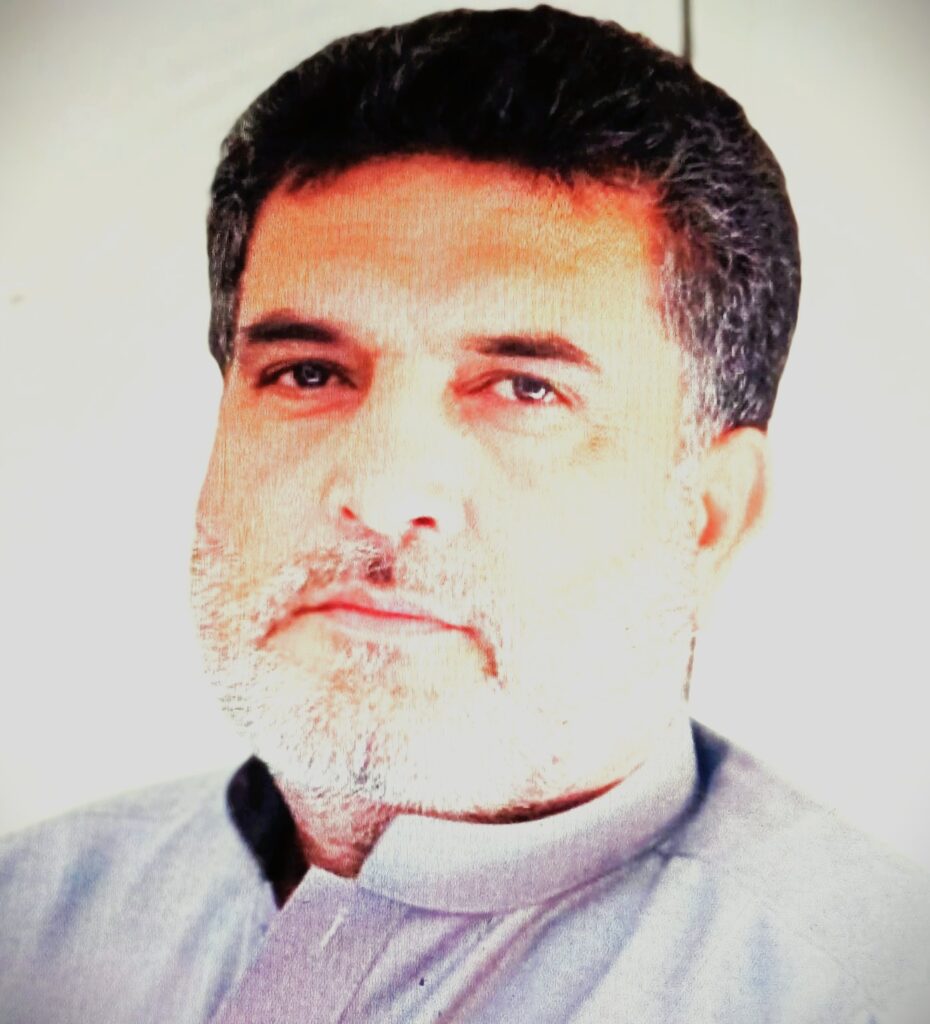
By Khpalwak Mohmand
The decision to impose taxes in Pakistan’s merged tribal districts has reopened an important national debate, not because taxation itself is controversial, but because it raises fundamental questions about justice, governance and the relationship between the state and its citizens. In every democratic society, taxation is accepted as a civic responsibility that enables governments to provide public services, strengthen institutions and finance national development. Yet taxation is built upon a social contract. Citizens contribute to the state, while the state ensures that they receive equal rights, equal opportunities and access to essential public services. It is this balance that many residents of the merged tribal districts believe has yet to be achieved.
The merger of the former Federally Administered Tribal Areas with Khyber Pakhtunkhwa was presented as one of Pakistan’s most significant constitutional reforms in recent decades. It promised to end decades of administrative isolation and integrate the region fully into the country’s political and legal framework. Parliament, successive governments and political leaders assured the people that the merger would bring modern infrastructure, better schools, improved healthcare, expanded employment opportunities, stronger local governance and sustained economic development. It was portrayed as the beginning of a new chapter in which the tribal districts would enjoy the same constitutional protections and public services as every other part of the province.
Several years later, however, those expectations remain only partially fulfilled. Although some progress has been made, the pace of development has fallen well short of the ambitions that accompanied the merger. Many roads remain damaged or incomplete, making travel and trade unnecessarily difficult. Schools continue to suffer from shortages of teachers, classrooms and learning materials, while healthcare facilities in many areas still lack qualified doctors, essential medicines and modern equipment. Reliable electricity, clean drinking water and other basic services remain inconsistent across large parts of the region. For many residents, daily life continues to reflect the challenges of neglect rather than the benefits of integration.
The debate over taxation becomes even more sensitive when viewed in light of the region’s recent history. Few parts of Pakistan have paid a heavier price during the country’s fight against militancy and terrorism. Thousands of people lost their lives, millions were displaced from their homes and entire communities saw their markets, businesses and local economies collapse. Families spent years rebuilding homes and livelihoods that had been destroyed by conflict. Although security has improved considerably in recent years, many communities are still recovering from the social and economic consequences of those difficult years. For them, development remains an unfinished promise rather than a completed achievement.
The provincial government must also accept its share of responsibility. Administrative reforms, improved governance and better public service delivery formed the foundation of the merger process. Yet progress in education, healthcare, local administration and economic development has often appeared slower than anticipated. Unless these structural weaknesses are addressed, taxation is likely to be viewed not as a contribution towards national development but as an additional burden imposed on communities that continue to struggle with inadequate public services.
Economic realities further strengthen these concerns. The merged districts have limited industrial activity, relatively weak private investment and few employment opportunities compared with other regions of the country. Young people continue to face high unemployment, while businesses operate under difficult economic conditions. Expanding the tax base is a legitimate objective for any government, but taxation is most sustainable when it follows economic growth rather than preceding it. Prosperous local economies naturally generate greater revenue because businesses expand, incomes increase and commercial activity flourishes. Burdening fragile economies before creating conditions for growth risks discouraging investment and slowing development instead of accelerating it.
Ultimately, this debate is about more than fiscal policy. It is about trust between the state and the people. The residents of the merged tribal districts are not demanding permanent exemptions from national responsibilities, nor are they seeking special privileges. Their demand is straightforward: they want the same constitutional rights, public services, economic opportunities and development that were promised when integration took place. They seek equality, not favour.
A strong and enduring social contract depends upon both rights and responsibilities being fulfilled together. Citizens contribute through taxes, while governments demonstrate their commitment through transparent governance, accountable institutions and equitable development. The true success of the merger will not be measured by how much revenue is collected, but by whether the people of the merged tribal districts genuinely experience the benefits of full citizenship. Only when justice, development and opportunity become visible realities will taxation be widely regarded not as an unfair burden, but as a shared investment in Pakistan’s collective future.
(The writer is senior journalist at tribal district Mohmand, has in-depth knowledge of national and international issues, can be reached at editorial@metro-morning.com)
