





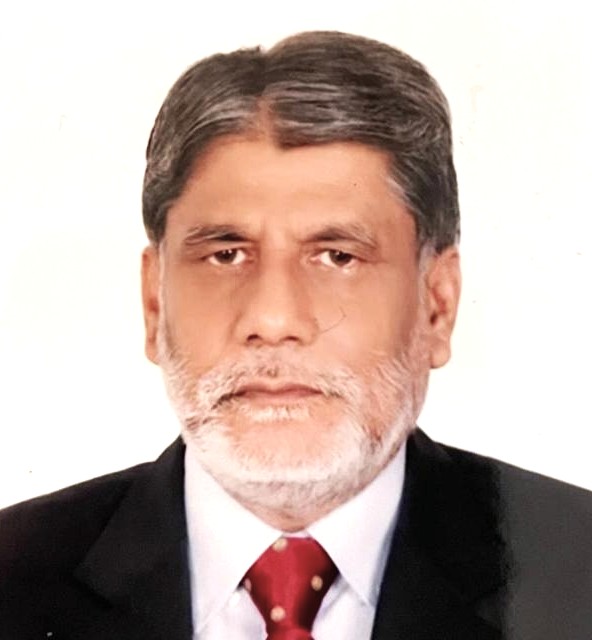
By Prof Dr Sheikh Akram Ali
Leadership is often described as the ability to inspire people towards a common purpose, but history suggests that it is far more demanding than that. It requires judgment under pressure, the willingness to accept responsibility and, above all, the capacity to place the public interest above personal ambition. Nations rarely remember leaders simply because they occupied high office. They remember those whose decisions shaped the course of their country’s history. Bangladesh, like many young democracies, has witnessed different styles of leadership, each reflecting the political and social realities of its time.
The debate over whether leaders are born or made has persisted for generations. Some individuals appear to possess a natural ability to command trust and mobilise people, while others acquire leadership through experience, education and adversity. In Bangladesh’s political history, examples of both can be found. What ultimately distinguishes successful leaders, however, is not the path by which they reach power but the values they uphold once they hold it. Integrity, courage, competence and accountability remain the qualities by which leadership is judged.
Supporters of former president Ziaur Rahman regard him as one of the country’s defining political figures. His military career demonstrated discipline and professionalism, while his role during Bangladesh’s struggle for independence secured him a prominent place in the nation’s historical narrative. His emergence into politics following the turbulent events of 1975 transformed him from a military commander into a national leader. Admirers argue that his vision centred on building a self-reliant Bangladesh through economic development, administrative reform and a stronger sense of national identity. Whether one agrees with every aspect of his political legacy or not, few would dispute that his influence continues to shape Bangladesh’s political discourse decades after his death.
Begum Khaleda Zia similarly occupies an important position in the country’s political history. Throughout years of political confrontation, imprisonment and legal battles, she remained the central figure of her party and a symbol of resistance for her supporters. Her political career has been marked by persistence under difficult circumstances, and many view her refusal to abandon the political arena despite prolonged adversity as evidence of personal resilience. Like many influential leaders, her legacy remains contested, but her impact on Bangladesh’s democratic journey cannot easily be dismissed.
Bangladesh now stands at another important political crossroads. Every new administration inherits not only the institutions of government but also the expectations of millions of citizens seeking economic opportunity, political stability and justice. Public confidence cannot be secured through speeches alone. It must be earned through transparent governance, effective institutions and a genuine commitment to serving all citizens regardless of political affiliation. The promise of a new political culture, frequently discussed since the events surrounding the July 2024 movement, will ultimately be judged by actions rather than rhetoric.
Early diplomatic initiatives and efforts to strengthen state institutions have generated cautious optimism among some observers. Constructive relations with neighbouring countries, a balanced foreign policy and continued investment in national defence can all contribute to long-term stability if pursued with consistency and restraint. Yet these achievements will matter little if they are not accompanied by improvements in everyday governance. Economic management, the rule of law and institutional independence remain the foundations upon which public trust is built.
The composition of government is equally significant. Cabinets should reflect competence rather than patronage, bringing together individuals capable of addressing the country’s complex economic and social challenges. Regional representation also deserves careful attention. Perceptions that certain areas remain overlooked risk deepening political divisions at a time when national cohesion is essential. Inclusive governance strengthens both democratic legitimacy and public confidence.
The discussion surrounding individual political figures reflects a broader expectation that honesty, diligence and public service should once again become defining characteristics of political leadership. Representatives who demonstrate integrity, remain accessible to their constituents and advocate consistently for the public interest naturally attract greater confidence. Such qualities are valuable irrespective of party affiliation, because effective governance depends less on personalities than on ethical leadership and institutional responsibility.
Bangladesh’s future will not be determined by nostalgia alone, nor by political symbolism. It will depend on whether today’s leaders can build institutions that outlast individual careers and place national welfare above partisan rivalry. History ultimately rewards those who govern with integrity, fairness and vision. For a nation with immense potential and a young, ambitious population, the challenge is not merely to find leaders who inspire hope, but to ensure they deliver the responsible, accountable and inclusive leadership that lasting democratic progress demands.
(The writer is an academic and political commentator in Bangladesh and can be reached at news@metro-morning.com)
