





Tarar said Pakistan continued to maintain what he described as a recognized diplomatic and military standing internationally, adding that citizens abroad “took pride”
By Asghar Ali Mubarak
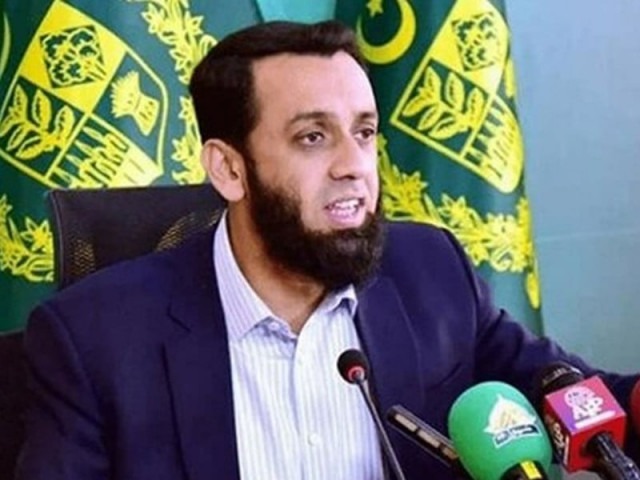
ISLAMABAD: Pakistan was “shining on the global stage” while India was facing “failure and embarrassment”, the information minister, Attaullah Tarar, had claimed in remarks that underscored the sharp rhetorical divide in how Islamabad and New Delhi were portraying their international standing.
Speaking at a ceremony in Islamabad, Tarar had said Pakistan continued to hold what he described as a recognized diplomatic and military position internationally, adding that citizens abroad “took pride” in their association with the country. He contrasted this with India, which he said was experiencing “isolation and disappointment”, claiming that beyond Pakistan’s eastern border there was “only darkness”.
His comments came amid ongoing tensions in South Asia, where both countries have frequently exchanged accusations over security incidents and cross-border militancy. Tarar had said India had not condemned what he described as acts of terrorism in Pakistan originating from its side of the border. He added that when Pakistan had sought evidence in relation to such claims, New Delhi had remained silent.
The minister also referred to the 2016 arrest of Kulbhushan Jadhav, an Indian national detained in Pakistan on espionage allegations, saying he had been “caught red-handed”. The case has remained a long-running diplomatic dispute between the two countries, with India contesting Pakistan’s account and the matter previously reaching the International Court of Justice.
Tarar said Pakistan had emerged as what he called a “flag-bearer of peace” following what he described as success in the so-called “Ma’arka-e-Haq”, a term used in official narratives to frame past military and diplomatic confrontations. He argued that Pakistan had not only achieved military resilience but had also secured diplomatic gains on the global stage.
He further said that all segments of Pakistani society were contributing sacrifices in the fight against terrorism, citing past incidents including the 2014 Army Public School attack in Peshawar and the Jaffar Express incident as examples of national trauma that had strengthened the country’s resolve.
Referring to past military tensions with India, Tarar mentioned the 2019 capture and subsequent release of Indian pilot Abhinandan Varthaman, presenting it as evidence of Pakistan’s handling of escalation between the two nuclear-armed neighbors.
