





By Pervaiz mughal
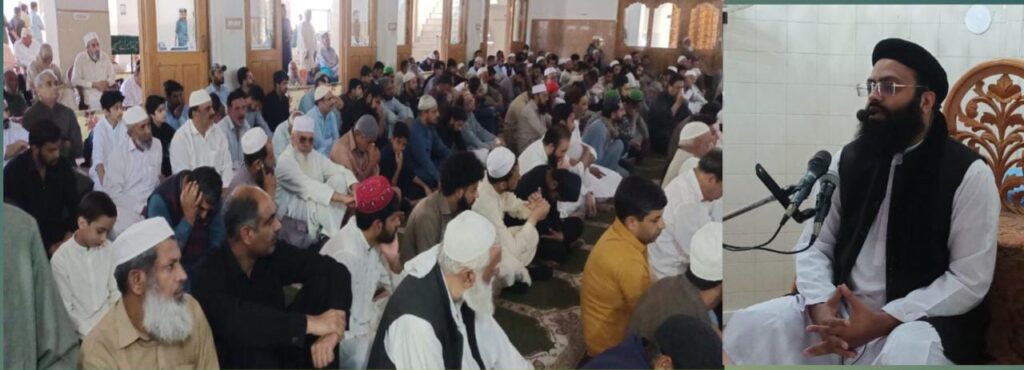
ISLAMABAD: Maulana Muhammad Abu Bakr Hameed Sabri, president of the Pakistan Ulema Council, had urged the government to draw lessons from early Islamic governance, as he addressed a Friday congregation in Islamabad, calling for a more people-centered approach to policy at a time of mounting economic strain.
Speaking to worshippers, the cleric said that historians had consistently recorded that early Muslim rulers governed with a singular sense of accountability, driven by a desire to seek the pleasure of God rather than accumulate wealth or impose excessive taxation.
He pointed to the example of Umar ibn al-Khattab, describing how the caliph was known to move through the streets at night to personally assess the condition of ordinary citizens.
Maulana Sabri suggested, reflected a model of leadership rooted in humility, vigilance and direct responsibility. He said that contemporary governments would do well to adopt similar principles, particularly in the context of rising public discontent over economic pressures.
He criticized what he described as the growing burden on citizens, referring to higher taxation, increases in electricity tariffs and the steady rise in the cost of everyday goods.
Such measures, he argued, risked widening the gap between the state and the public, especially for low- and middle-income households already struggling to cope with inflation. He maintained that governance should not be reduced to revenue collection alone, but should instead prioritize public welfare and ease of living.
A state that sought to facilitate its citizens, he added, fulfilled a moral obligation that extended beyond administrative duties, framing public service as an ethical and, in his view, spiritual responsibility.
The address came amid broader debate in the country over economic management and fiscal policy, with religious leaders increasingly weighing in on issues traditionally dominated by policymakers and economists. Sabri’s remarks reflected a growing call in some quarters for governance models that blend administrative efficiency with moral accountability, particularly as public frustration over economic hardship continues to build.
