





The remarks formed part of a wider economic stabilization assessment, with policymakers balancing inflation control pressures against fragile growth support needs
By S.M. Inam
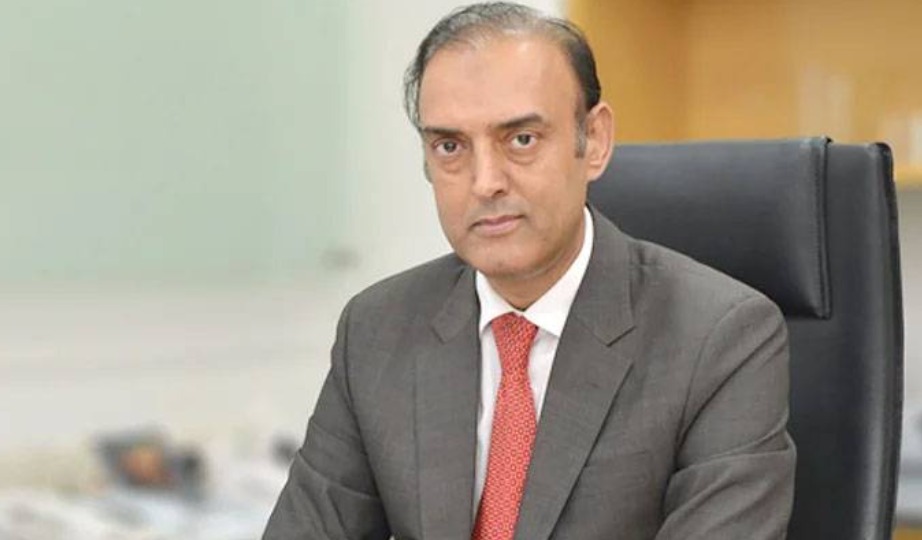
KARACHI: The Governor of the State Bank of Pakistan, Jameel Ahmed, has said inflation in the country is expected to rise to around 7%, while signaling that price pressures would likely remain elevated in the near term before easing in the latter half of next year.
Speaking at an event at the Karachi Chamber of Commerce and Industry in Karachi, he said the economy had shown a degree of resilience despite ongoing macroeconomic constraints, with growth recorded at 3.7% over the first nine months of the current financial year in Pakistan. The remarks were framed as part of a broader assessment of economic stabilization efforts, as policymakers continue to navigate between inflation containment and growth support.
He indicated that inflationary pressures were expected to persist in the short run but would gradually soften as monetary and fiscal adjustments take effect. “Inflation is expected to come down in the second half of next year,” he said, suggesting that the central bank’s policy stance would remain focused on anchoring price stability expectations while allowing gradual normalization.
The central bank governor also set out medium-term sectoral targets, noting that financing for small and medium enterprises is projected to expand significantly, reaching around Rs1,500 billion by June 2028. The plan reflects an attempt to deepen credit penetration beyond large-scale corporate borrowing and strengthen the role of SMEs in employment and industrial output.
On external sector dynamics, he said exports had declined under pressure from global economic conditions, while import-related demands and shifting trade patterns continued to shape the country’s balance of payments position. He added that although domestic debt had increased, external debt indicators had shown relative improvement, though he did not provide a detailed breakdown during his remarks.
State Bank of Pakistan also confirmed that work on new currency notes was underway, with final approval still pending from the federal government. The process, he suggested, was part of broader institutional and operational updates within the monetary system.
His comments come at a time when policymakers are attempting to manage a delicate economic balance: containing inflation, stabilizing external accounts, and sustaining growth in an environment still shaped by structural fiscal pressures and energy-sector constraints.
