





New initiative streamlines property transactions for overseas Pakistanis, cutting reliance on middlemen and tackling long-standing fraud in the real estate sector
By our correspondent
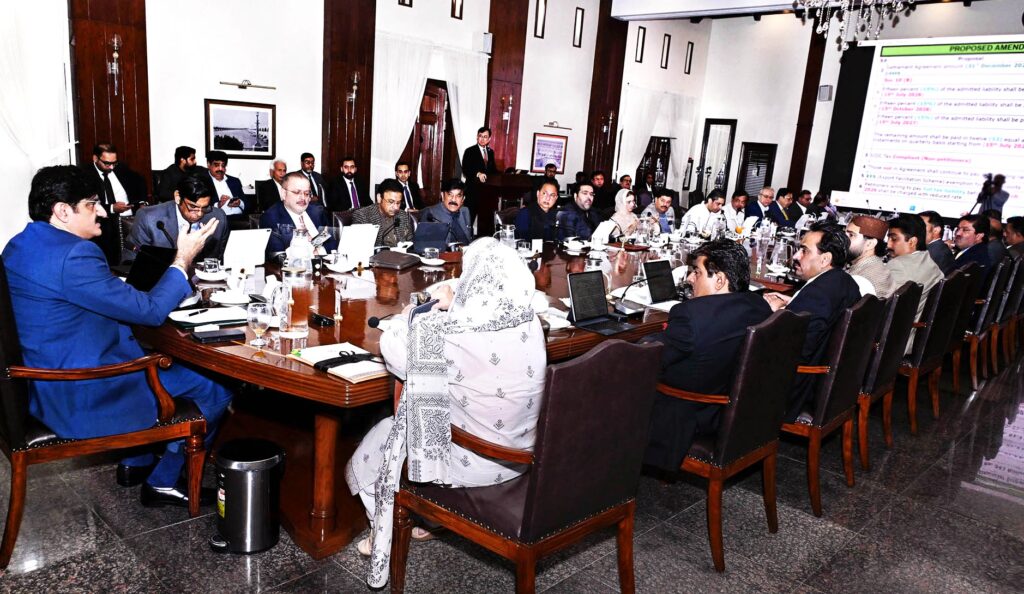
KARACHI: The Sindh cabinet, chaired by Chief Minister Syed Murad Ali Shah, approved a series of far-reaching administrative, legal, and development measures on Tuesday, signaling the provincial government’s renewed focus on digitization, environmental protection, and judicial reform.
The meeting brought together provincial ministers, advisers, special assistants, the chief secretary, and senior officials from relevant departments, who collectively endorsed decisions expected to have long-term implications for governance and public services across the province. Among the most notable approvals was the introduction of digital property registration for overseas Pakistanis.
The initiative aims to simplify property transactions for citizens living abroad, reducing dependence on intermediaries while curbing fraudulent practices. Officials described the move as a step towards greater transparency and efficiency in the province’s real estate sector, particularly for the diaspora community that often faces challenges in managing property matters from abroad.
The cabinet also agreed to convert consumer courts across Sindh into traffic courts, a reform intended to ease the growing burden on the judicial system and ensure more timely handling of traffic-related cases in major urban centers. This measure reflects the provincial government’s acknowledgement of structural pressures on courts and the need for targeted solutions to improve legal outcomes.
In a major environmental decision, more than 400,000 acres of land in the Indus Delta were officially declared “protected forests”. The move forms part of a wider strategy to safeguard fragile coastal ecosystems, which have faced increasing threats from climate change, sea intrusion, and human activity.
Environmentalists welcomed the decision as a critical step in preserving biodiversity and mitigating ecological damage in one of the country’s most sensitive regions. The cabinet also approved development projects including the establishment of a fruit and vegetable market in Larkana, aimed at streamlining supply chains, supporting local farmers, and stabilizing consumer prices.
A five-year agreement between the Board of Revenue and the Sindh Information Technology Board to operate an e-stamping system was also endorsed, a step officials said would strengthen documentation, improve revenue collection, and reduce opportunities for corruption.
#SindhCabinet #DigitalProperty #OverseasPakistanis #ForestProtection #IndusDelta #JudicialReform #TrafficCourts #EStamping #GoodGovernance #EnvironmentalConservation #RealEstateTransparency #PublicServiceReforms #SindhDevelopment #ClimateAction #UrbanPlanning
