





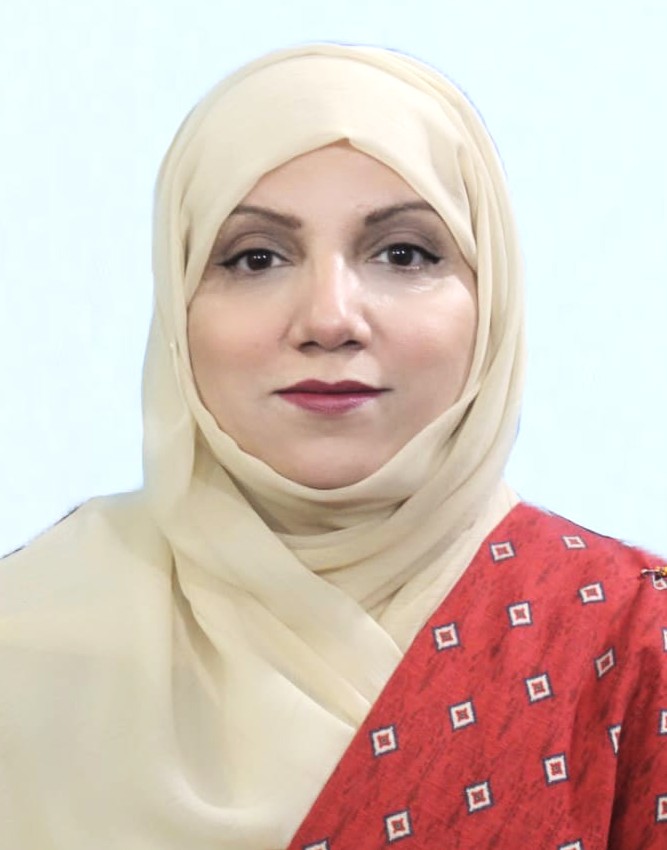
By Naz Pervin
There are moments in the life of every society when isolated tragedies cease to be isolated. They become warnings that something deeper has gone wrong. Pakistan has reached such a moment. The growing number of cases involving the sexual abuse and murder of children is not simply a criminal justice issue. It is a painful reflection of wider social, economic and moral failures that have accumulated over many years. While each incident rightly provokes outrage, grief and demands for harsher punishment, the uncomfortable truth is that these crimes cannot be understood in isolation from the society in which they occur.
Many older Pakistanis remember a time when neighbourhoods functioned as close-knit communities rather than clusters of strangers. Families knew one another. Children moved freely between homes, and every elder regarded the safety of every child as a shared responsibility. Marriage was considered a natural stage of adulthood rather than a distant goal dependent on wealth and social status. Wedding ceremonies were modest, relatives shared expenses, and disputes within families were usually settled through the intervention of respected elders instead of ending in permanent estrangement.
That world was far from perfect, but it possessed something that modern society increasingly lacks: collective responsibility. As cities expanded and lifestyles changed, people became more isolated from one another. Large housing developments replaced traditional neighbourhoods, economic pressures forced families to move frequently, and social relationships gradually weakened. Today it is common for neighbours to live side by side for years without exchanging more than a greeting. The informal systems of care and accountability that once protected communities have steadily eroded.
Marriage has also become far more complicated than it once was. Expectations surrounding financial stability have grown to unrealistic levels. Many families now believe that a young couple should own a house, possess savings, drive a car and enjoy a secure career before considering marriage. Such expectations delay marriage well into the thirties for many young men and women. At the same time, expensive wedding ceremonies, lavish receptions and social competition have transformed what should be a simple union into a costly display of status. Families often burden themselves with debt simply to satisfy social expectations and avoid criticism from relatives or neighbours.
The consequences extend beyond household finances. Thousands of young Pakistanis spend years postponing marriage because they cannot meet these increasingly demanding conditions. While delayed marriage cannot explain every social problem or criminal act, it is one element within a broader picture of frustration, emotional isolation and changing social behaviour that deserves careful discussion rather than dismissal.
Equally significant is the economic reality confronting millions of Pakistanis. Inflation has placed enormous pressure on households, unemployment remains a persistent challenge and many young people see few opportunities for secure employment or social mobility. A country where a large proportion of the population is under the age of thirty cannot afford to leave its youth without hope or direction. Persistent deprivation, social exclusion and psychological stress do not automatically create criminals, but they can contribute to conditions in which violence and exploitation become more likely.
Yet poverty alone cannot explain the cruelty witnessed in crimes against children. Many offenders are neither strangers nor hardened criminals. Research from around the world consistently shows that child abuse is frequently committed by relatives, neighbours, family friends or trusted individuals. This reality demands uncomfortable honesty. Parents naturally warn children about strangers, but the greater danger often comes from those already inside a child’s circle of trust. That makes prevention far more difficult and requires far greater public awareness.
Pakistan must therefore confront another issue that has long remained surrounded by silence. Discussions about personal safety, sexuality and abuse are still considered inappropriate in many homes and schools. This reluctance leaves children vulnerable because they are often unable to recognise abuse or understand that they have the right to refuse inappropriate behaviour. Many victims remain silent because they fear threats, shame or disbelief. Breaking this silence is essential. Age-appropriate education about personal safety should become part of family life and school education, while religious scholars, teachers and community leaders should help foster awareness rather than reinforce taboos.
The criminal justice system also requires urgent attention. Public confidence weakens whenever serious offenders escape punishment because of poor investigations, inadequate evidence or procedural failures. Swift arrests alone do not guarantee justice. Proper forensic investigations, DNA evidence, trained investigators and effective prosecution are all essential if convictions are to stand in court. Families must also be encouraged to report abuse immediately and preserve evidence instead of allowing crucial forensic material to disappear.
(The writer is Director of the China Window and author of the travelogue Xinjian ke Khushal Uyghur, can be reached at news@metro-morning.com)
