





MM Report
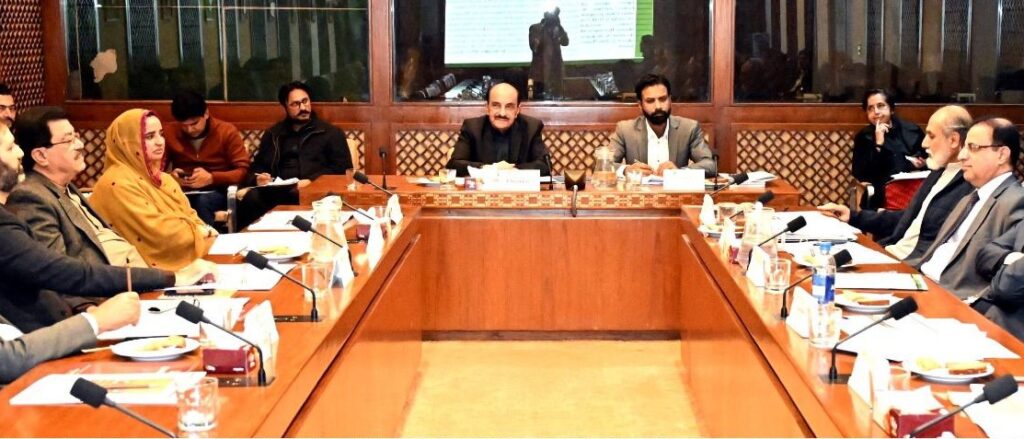
ISLAMABAD: Senate Standing Committee had moved to formally examine allegations of entrenched corruption at the Pakistan Standards and Quality Control Authority (PSQCA), after a media investigation suggested that malpractice within the body had become both systemic and sustained.
The issue was placed on the agenda for the committee’s next sitting following a report published by daily Metro Morning, which described a pattern of irregularities ranging from nepotistic hiring to the misuse of state resources. The program alleged that a particular internal group had, over time, consolidated influence within the authority, enabling practices that appeared to operate with little effective oversight.
According to the report, this network had been linked to repeated administrative anomalies, raising concerns that the problems were not isolated but indicative of a deeper institutional malaise. Among the more striking claims was that employees dismissed in May 2025 by Sindh High Court had allegedly continued to their posts, draw salaries, and other benefits.
Despite the contempt of honorable court, the situation suggesting either administrative paralysis or deliberate circumvention of formal procedures. In an official notification, the committee’s chair, Kamil Ali Agha, had described the allegations as serious and said they demanded urgent and thorough scrutiny.
Interestingly, on 27 April 2026, another scandal had surfaced when the Ministry of Science and Technology issued a notification (No 8(9)/2020-PHA-ORG-II), requesting former director general of the Pakistan Halal Authority, Akhtar Bughio, to vacate the office premises following the expiry of his contract on 9 April 2026. His contract had already been extended for three years beyond his initial tenure.
Agha referred to corroborating concerns raised across both broadcast and print media, signaling that the matter would not be treated lightly. His remarks indicated a growing impatience within parliamentary circles over what was seen as the persistent erosion of standards within a key regulatory body.
Agha stressed that irregularities in national institutions could not be normalized, and warned that those found responsible would face disciplinary action. His intervention underscored a broader concern: that without decisive action, the continued dominance of entrenched interests risked further undermining public trust in regulatory institutions meant to safeguard quality and compliance across the country.

1 Comment
There is no doubt that Metro Morning has become the voice of the entire country. Its high-quality journalistic values keep a close eye on the most important national, domestic and global situations around the world, and its immediate quality news and world-class analysis articles distinguish it from others. My heartfelt prayer is that the quality and lively voice of the people continues to grow louder. This institution and every person working in it deserves congratulations and tributes. Masha Allah, continue to brighten the name of the country and the nation with such hard work, dedication, honesty and sacrifice. Thank you and greetings. Abdul Wahid Metro Morning Newspaper. Thank you once again.