





By Abdul Rehman Patel
For generations, the end of war carried with it a promise of relief. When ceasefires were signed and the guns fell silent, people expected life to gradually return to normal. Markets reopened, trade resumed, and families looked ahead with cautious optimism. Peace, though often fragile, brought the hope of economic recovery and social stability.
That expectation no longer holds true.
In today’s interconnected world, conflicts leave behind consequences that continue long after the last missile has been fired. While diplomatic negotiations may reduce military tensions, the economic aftershocks linger, affecting countries that may never have witnessed a single battle. The modern cost of war is no longer measured only in destroyed buildings or lost lives. It is increasingly reflected in rising prices, disrupted supply chains and the daily financial struggles of ordinary households.
This contradiction has become impossible to ignore. Across different regions, ceasefires have lowered the immediate risk of wider conflict, yet inflation continues to burden millions of people. Fuel prices remain stubbornly high in many countries. Shipping costs have eased from their peak but continue to reflect global uncertainty. Essential goods, from food to household necessities, remain expensive enough to strain family budgets. For many people, peace has arrived in political terms but not in economic reality.
The reason lies in the changing nature of global conflict. Twenty-first century wars are no longer confined to battlefields. They extend into financial markets, energy supplies, maritime trade routes and digital infrastructure. A crisis in one strategically important region can influence fuel prices on another continent within hours. A disruption in shipping can delay manufacturing thousands of kilometres away. In an era of globalisation, every major conflict sends ripples through an economic system that binds nations together more closely than ever before.
Oil remains one of the clearest examples of this reality. It is not simply another commodity but a resource that underpins transport, agriculture, manufacturing and electricity generation. Even when production continues uninterrupted, uncertainty surrounding future supplies is enough to influence prices. Markets respond not only to events but also to expectations. Investors, businesses and consumers all make decisions based on what they believe might happen next. As long as geopolitical tensions remain unresolved, confidence remains fragile.
Pakistan illustrates this challenge in a particularly difficult way. Although inflation has moderated compared with previous years, the cost of living continues to weigh heavily on millions of families. Many households still find it difficult to afford everyday essentials despite improvements in some economic indicators. Official statistics may show progress, but for citizens facing rising utility bills, expensive transport and costly groceries, economic recovery often feels distant.
Confidence is the foundation upon which every healthy economy depends. Businesses invest when they believe conditions will remain stable. Factories expand when they expect reliable demand. International companies commit resources when they trust that trade routes and financial systems will remain secure. Persistent geopolitical uncertainty weakens that confidence, slowing investment and limiting economic growth even after active fighting has ceased.
This reflects a broader transformation in international politics. Modern competition among major powers increasingly revolves around economic leverage rather than conventional military victories alone. Trade restrictions, financial sanctions, technological competition and supply chain control have become powerful instruments of influence. Strategic shipping lanes, semiconductor production and artificial intelligence now occupy the same geopolitical importance once reserved primarily for military bases and conventional weapons.
As a result, the meaning of peace itself has evolved. Peace cannot simply be defined as the absence of armed conflict. A truly peaceful society is one in which markets are stable, businesses are willing to invest, employment opportunities grow and families can meet their daily needs without constant financial anxiety. It is measured not only by quiet borders but also by affordable food, dependable energy and confidence in tomorrow.
History reminds us that wars may end within months, but their economic consequences often endure for decades. Nations rebuild infrastructure, governments repay mounting debt and societies absorb the hidden costs long after international headlines have moved elsewhere. Today’s generation, like those before it, continues to bear the financial burden of conflicts whose effects stretch far beyond the battlefield.
The question facing the world is therefore no longer whether a particular war has ended. It is whether the economic damage left behind has truly been repaired. Until prices stabilise, confidence returns and ordinary people once again feel secure in their livelihoods, declarations of peace will remain incomplete.
Perhaps that is the defining paradox of our age. Military confrontations may become less frequent, yet economic uncertainty continues to shape everyday life. In the twenty-first century, it is not only war that has become expensive. Peace itself now carries a price that millions of ordinary people are still struggling to pay.
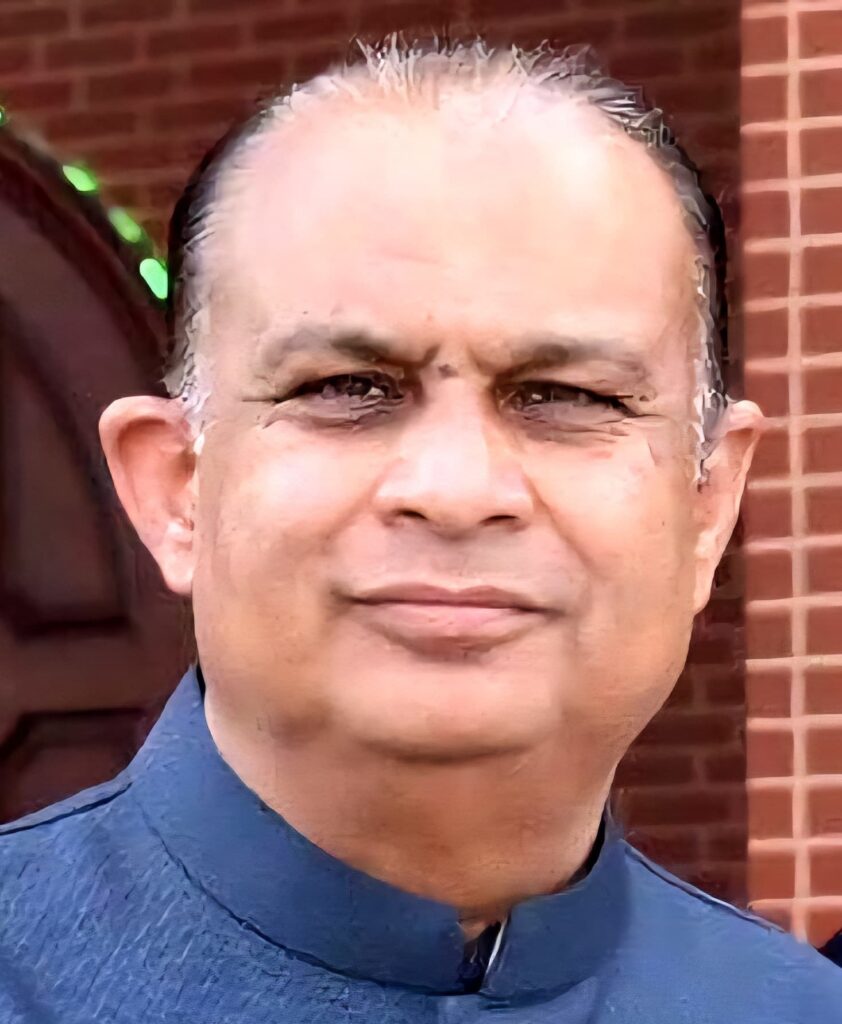
(The Pakistani-origin American writer and columnist, sheds light on various social and political issues, can be reached at news@metro-morning.com)
