





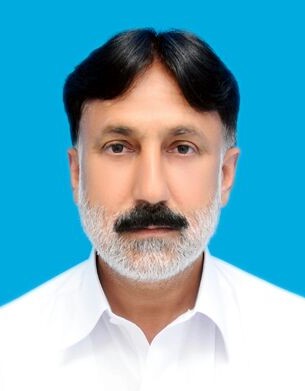
By Sudhir Ahmad Afridi
Pakistan’s history cannot be fully understood without acknowledging the contribution of its tribal communities. During the conflict of 1947–48, tribal volunteers fought alongside Pakistani forces in Kashmir, playing a significant role in the military campaign that resulted in part of the former princely state of Jammu and Kashmir coming under Pakistan’s administration as Azad Jammu and Kashmir. For decades afterwards, the tribal belt along Pakistan’s western frontier remained not only a geographical buffer but also an important component of the country’s border security, with traditional tribal structures helping to maintain order in a region that was largely peaceful before the post-9/11 era transformed the security landscape.
The years that followed the United States-led intervention in Afghanistan changed that reality dramatically. Pakistan’s former Federally Administered Tribal Areas became the frontline of a conflict that was never confined by borders. Militancy, counterterrorism operations, targeted killings and repeated waves of displacement left deep scars on communities that had already endured decades of economic neglect. Thousands of civilians, tribal elders and security personnel lost their lives, while schools, markets, healthcare facilities and local economies suffered severe disruption. The social consequences of those years continue to shape everyday life across the merged tribal districts.
Despite these sacrifices, many residents of the tribal districts believe that the dividends of peace have yet to materialise. Although the constitutional merger of the former FATA with Khyber Pakhtunkhwa was presented as a historic step towards equal rights and development, progress has fallen short of public expectations. Basic services, including quality education, healthcare, employment opportunities, reliable electricity, road infrastructure and industrial investment, remain inadequate in many areas. Development commitments announced during the merger process have advanced more slowly than many local communities had hoped.
Over the past several years, tribal elders, political parties and civil society organisations have repeatedly organised jirgas, all-parties conferences and public gatherings to demand peace, development, constitutional rights and greater economic opportunities. Yet many residents argue that these appeals have failed to generate sustained national attention or produce the policy urgency required to address long-standing grievances. Persistent insecurity, unemployment, poverty and the lack of private investment continue to place immense pressure on a young population seeking stability and opportunity.
The contrast with developments in Azad Jammu and Kashmir has prompted an important national conversation. Public mobilisation over electricity prices, inflation and political representation succeeded in bringing those issues to the forefront of national debate. The concerns of Kashmir’s citizens received extensive media coverage, parliamentary discussion and ultimately negotiations between protesters and the government. That experience demonstrated the capacity of organised, peaceful civic engagement to influence public policy within a democratic framework.
The comparison is not intended to suggest that one region deserves greater attention than another, nor should the hardships experienced by different communities be measured against each other. Rather, it raises a broader question of national equity. If the economic and political concerns of one region can rapidly become matters of national importance, then the grievances of millions of people living in Pakistan’s tribal districts—many of whom have endured decades of conflict, displacement and insecurity—should receive the same level of seriousness and sustained policy attention.
Equal citizenship cannot exist only in constitutional language. It must be reflected in practical outcomes. The people of the tribal districts are entitled to the same protections, opportunities and public services guaranteed to every Pakistani citizen. Sustainable peace will depend not only on security measures but also on transparent development, effective political representation, functioning public institutions and meaningful economic inclusion. Without these foundations, the legacy of conflict will continue to hinder long-term stability.
There is, however, another dimension that deserves careful reflection. Governments bear the primary responsibility for ensuring equal rights and balanced development, but democratic change also depends on the active participation of citizens themselves. The experience of Azad Kashmir illustrates how organised, peaceful and inclusive civic mobilisation can elevate local concerns to the national agenda. Communities in the tribal districts may similarly benefit from building broad-based, non-partisan platforms capable of articulating common demands through constitutional and democratic means. Such movements must remain firmly committed to peaceful methods, broad public participation and constructive engagement with state institutions. Lasting reforms are most likely to emerge when legitimate public demands are advanced through dialogue, democratic organisation and national consensus rather than confrontation.
(The writer is a senior journalist at tribal region, covers various beats, can be reached at news@metro-morning.com)
