





News Desk
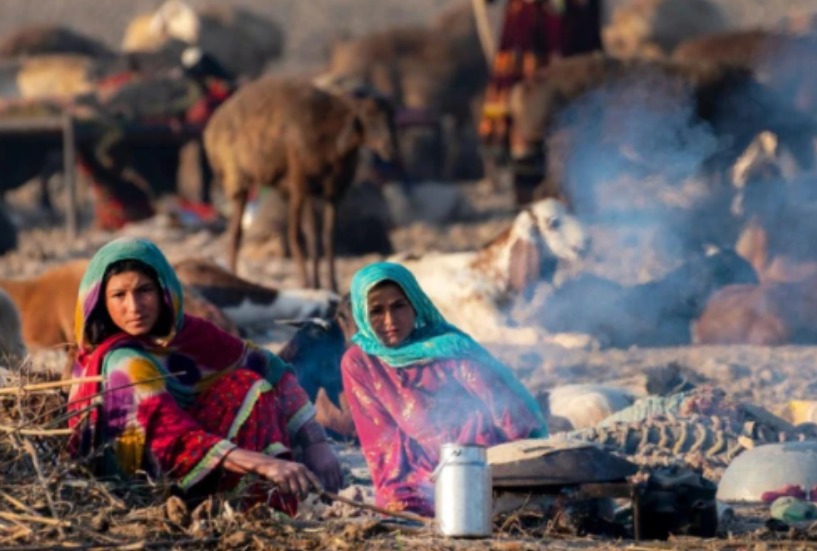
KABUL: Afghanistan is facing a deepening humanitarian and economic crisis, with widespread poverty, food shortages and deteriorating public services pushing millions of people into increasingly precarious living conditions, according to a report cited by international media.
The situation has been underscored by estimates from the United Nations, which suggest that around three out of every four Afghans are now unable to afford essential necessities. The figures point to the severity of deprivation across the country, where households are struggling to meet basic daily needs amid prolonged economic contraction.
The report further warns that nearly 4.7 million people are at risk of famine, as food insecurity continues to expand across both rural and urban areas. Unemployment, particularly among young people, remains persistently high, with limited job creation and a stagnant labour market offering few prospects for economic recovery or social mobility.
Healthcare services have also come under severe strain. Public hospitals are reportedly facing acute shortages of medicines, forcing many families to turn to private pharmacies where prices are often beyond reach. Medical professionals, according to observers, have warned that the lack of essential drugs and supplies is worsening preventable illnesses and placing additional pressure on already overstretched facilities.
Analysts say the country’s economic decline has been compounded by restricted international engagement, weak governance frameworks and continued financial isolation, all of which have curtailed access to external assistance and investment flows. These factors, they argue, have deepened structural vulnerabilities within Afghanistan’s fragile economy.
