





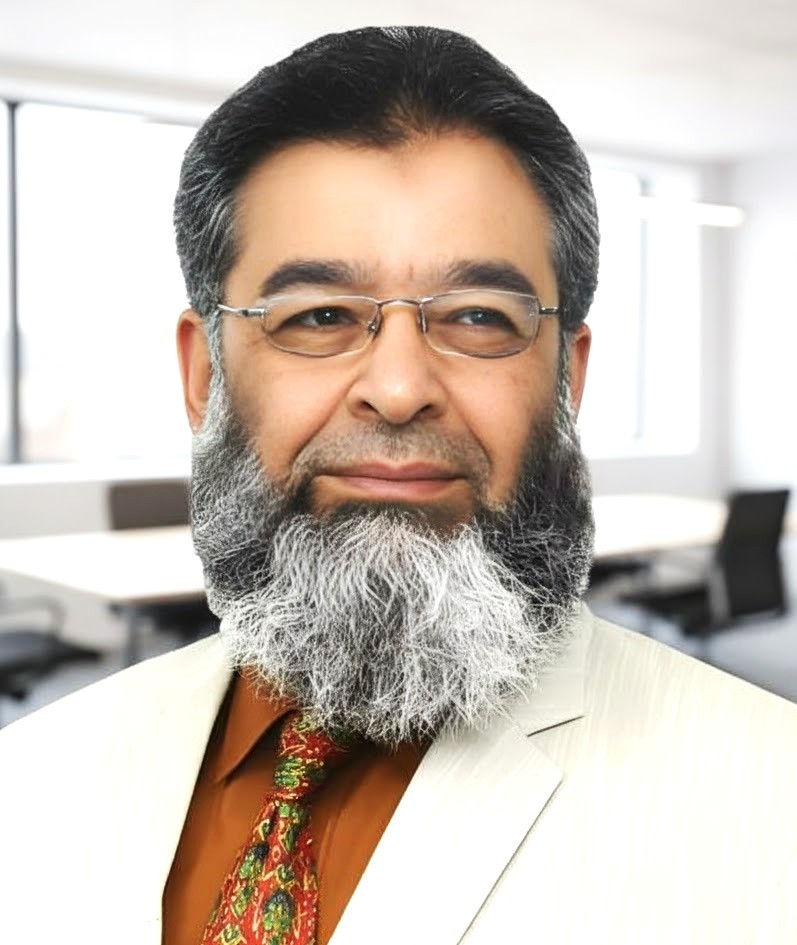
By Muhammad Mohsin Iqbal
In the divine framework of guidance bestowed upon humankind, the Holy Quran presents itself not merely as a spiritual scripture but as a comprehensive moral and social constitution. Within its encompassing wisdom lie clearly defined parameters of lawful and unlawful conduct, shaping the contours of individual behaviour as well as collective life. At the heart of this guidance is the institution of marriage, described as a sacred covenant designed to foster tranquillity, companionship and mutual responsibility between spouses. It is a bond that, in its ideal form, is meant to be sustained through mercy, patience and equitable fulfilment of rights, each partner entrusted with duties that preserve harmony and dignity within the household.
Islamic teachings elaborate this framework with remarkable depth. The Prophet Muhammad, peace be upon him, through his lived example and authenticated traditions, translated Quranic principles into practical human conduct, demonstrating how compassion and justice operate within domestic life. Where the Quran lays down foundational principles, the Hadith expands upon their application, ensuring that the ethical architecture of family life remains both coherent and adaptable. In addition, the principle of ijtihad allows scholars, across generations, to interpret these eternal teachings in response to evolving social realities, ensuring that guidance remains relevant without compromising its moral essence.
Despite this rich theological and ethical framework, contemporary societies are witnessing a noticeable strain on marital stability. Across parts of Pakistan, including Punjab, reports suggest a steady rise in divorce and khula cases in recent years. The figures, drawn from court and institutional records, indicate not only an increase in formal separations but also a broader transformation in the nature of family life. Urban centres such as Lahore, Faisalabad and Sheikhupura appear particularly affected, though the trend is no longer confined to cities alone and is increasingly visible in rural settings that were once considered more resilient to such social change.
This shift cannot be understood in purely legal terms; it reflects deeper sociocultural currents. Economic pressures, unemployment, rising living costs and housing disputes frequently emerge as immediate triggers. However, beneath these material concerns lies a more complex interplay of behavioural change, communication breakdown and shifting expectations within marriage. The rapid expansion of digital connectivity and social media has added a further dimension, altering perceptions of relationships, privacy and individual autonomy. While technology has undoubtedly created new forms of opportunity and connection, it has also introduced comparisons, influences and external pressures that many households struggle to absorb.
In a number of documented cases, factors such as domestic conflict, substance abuse, infidelity and interference by extended families are cited as contributing causes of marital breakdown. These issues are not new in themselves, but their frequency and visibility appear to have increased. Psychological experts often point to the weakening of traditional support structures and reduced tolerance for hardship within marriage as significant contributing factors. Where previous generations may have endured difficulties within the framework of familial or social mediation, contemporary couples are more likely to pursue formal separation at an earlier stage of conflict.
The consequences of this trend extend well beyond the couple themselves. Children, in particular, are often the most vulnerable victims of marital dissolution. Psychological studies and social observations consistently highlight the emotional distress, identity confusion and developmental challenges faced by children growing up in fractured households. The home, ideally a space of security and emotional grounding, becomes instead a site of instability, shaping long-term behavioural and psychological outcomes that can persist into adulthood.
In Islamabad as well, family courts reflect this growing strain. Legal practitioners report a continuous flow of divorce and khula petitions, with thousands of cases being registered over short periods. While court marriages and self-arranged unions have become more common among younger generations, many of these relationships encounter early difficulties rooted in financial instability, employment insecurity and unrealistic expectations of married life. These patterns suggest a broader generational shift in how marriage is entered into and sustained, often without adequate preparation for its practical and emotional demands.
Against this backdrop, Islamic teachings offer a consistent ethical counterpoint grounded in patience, kindness and reconciliation. The Quran emphasises the sanctity of marital life with remarkable clarity, urging spouses to live with one another in goodness and reminding believers that even in moments of dislike, divine wisdom may place unforeseen benefit within a relationship. The principle of arbitration in cases of dispute further underscores the importance of mediation and reconciliation before separation is considered. Divorce, though permitted within Islamic law, is framed as a last resort, a legal concession rather than a preferred outcome.
The Prophetic tradition reinforces this moral hierarchy. The well-known warning that divorce is among the most disliked permissible acts serves not as a prohibition, but as a profound ethical signal about the seriousness with which the dissolution of marriage should be approached. It reflects a broader philosophy in which preservation of the family unit is regarded as a priority, provided that it does not lead to injustice or harm.
Ultimately, the increasing rate of marital dissolution is not simply a legal statistic but a reflection of broader societal transformation. It signals changing values, economic pressures and evolving expectations of personal fulfilment. The challenge, therefore, lies in reconciling these modern realities with enduring ethical and spiritual frameworks. Islamic teachings do not deny the complexity of human relationships; rather, they provide a structured moral compass intended to guide individuals through precisely such complexities.
(The writer is a parliamentary expert with decades of experience in legislative research and media affairs, leading policy support initiatives for lawmakers on complex national and international issues, and can be reached at editorial@metro-Morning.com)
