





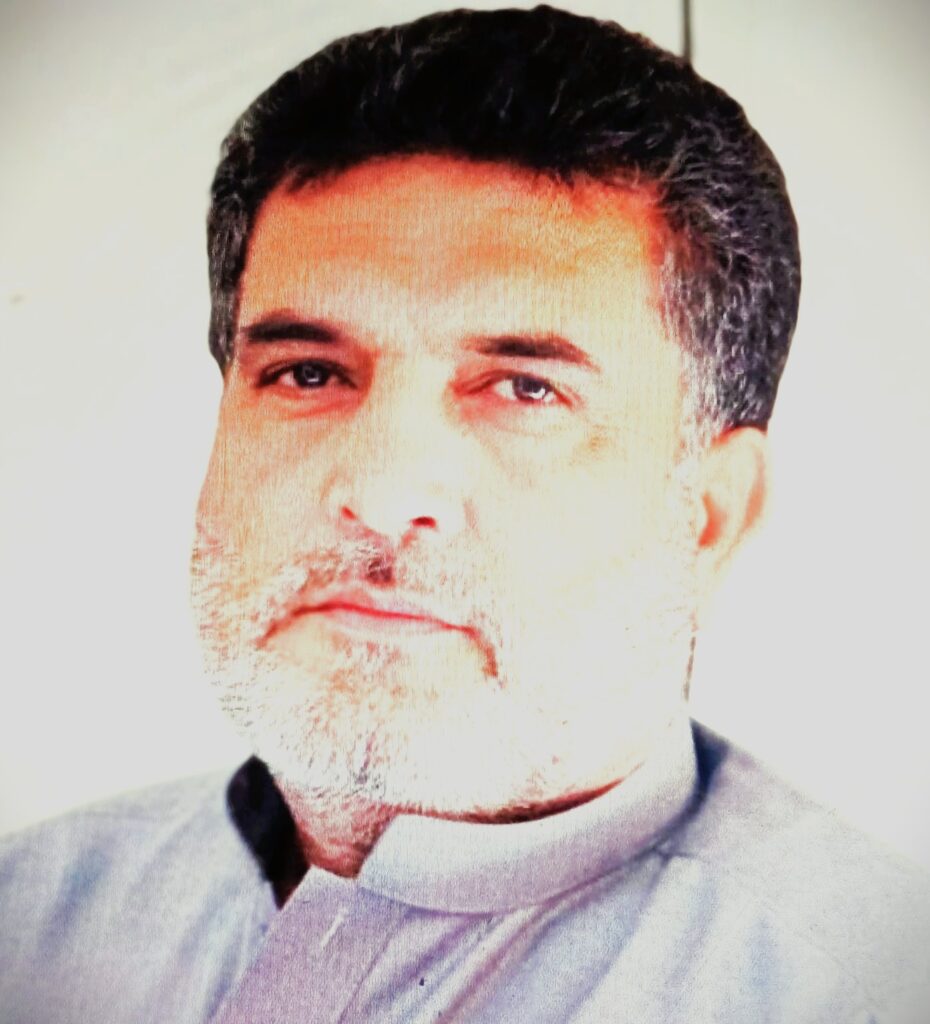
By Khpalwak Mohmand
An important conference titled Education for All was organised by the Youth Affairs and Students Federation at the Captain Roohullah Mohmand Shaheed Sports Stadium in Ghalnai. The gathering brought together political workers, student representatives, social figures, religious scholars and people from different walks of life. On the surface it appeared to be a positive and encouraging step, one that aimed to highlight the importance of education and to reinforce its role as a foundation of social progress. Yet beneath this visible optimism there was an absence that could not be ignored and that absence raised uncomfortable questions about the very meaning of the slogan being used.
The idea of education for all sounds simple, even universally accepted. It suggests inclusion, equality and shared responsibility. However, when the event is examined more closely, the word all begins to feel selective. Women were not visible among the participants or speakers. Their absence was not formally acknowledged and yet it was clearly felt. It created a contradiction between the message being promoted and the reality on display. If education is truly meant for all, then the absence of half the population from such a discussion weakens the credibility of the message itself.
Education is not a luxury or a privilege reserved for a section of society. It is the foundation upon which awareness, development and prosperity are built. Societies that invest in education open doors for innovation, stability and long term growth. More importantly, education is not only a right for men but an equal right for women as well. When women are excluded from educational opportunities or from conversations about education, society does not simply limit individual potential. It restricts its own collective future.
In many parts of the region, including Pashtun society, such exclusions are often justified through tradition or social comfort zones. Yet the issue is not confined to one community. Across Pakistan, women’s representation in public debates, policy discussions and academic gatherings often remains limited. Sometimes their presence is symbolic rather than meaningful. They may be invited, but not always heard. Or they may be absent entirely, as though their perspectives are secondary to the conversation. This pattern slowly shapes a public culture where serious discussions about society are treated as the domain of men alone.
The absence of women in a conference dedicated to education is not a small oversight. It reflects a deeper contradiction in how inclusion is understood. Education systems rely on both men and women not only as beneficiaries but also as contributors. Female teachers, students, researchers and social workers play a central role in shaping learning environments. They influence how future generations are raised, how values are transmitted and how communities evolve. Without their participation, any discussion on education remains incomplete and one sided.
There is also a practical dimension that cannot be ignored. When women are excluded from educational debates, policy decisions risk becoming disconnected from the lived realities of half the population. Issues such as girls schooling, access to institutions, transportation challenges, safety concerns and cultural barriers require direct insight from women themselves. Without their input, solutions are often designed in abstraction and fail to address the actual obstacles that prevent education from reaching everyone.
The irony is that events like Education for All are usually organised with good intentions. They aim to raise awareness and encourage dialogue. Yet intention alone is not enough when representation is missing. Inclusion must be visible and active, not assumed. Otherwise slogans begin to lose their meaning and turn into routine phrases repeated without reflection. The strength of any educational movement lies not in how often it is said but in how honestly it is practised.
In many societies, change does not come through sudden transformation but through gradual shifts in participation. The presence of women in conferences, seminars and decision making spaces is one such shift that carries long term significance. It challenges the assumption that expertise and authority belong to one gender. It also normalises the idea that women are not only subjects of education policy but also active voices in shaping it.
If education is to truly serve its purpose, it must reflect the diversity of the society it seeks to improve. That means creating space where women are not just included but respected as equal participants. Their perspectives should not be treated as supplementary but as essential. The upbringing of future generations, after all, is not a responsibility that belongs to one gender. It is shared, and so too must be the conversations that shape its direction.
The event in Ghalnai therefore becomes more than just a local gathering. It becomes a reminder of the distance that still exists between ideals and practice. It shows how easily inclusive language can be used without fully embracing inclusive action. It also highlights the need for organisers, institutions and community leaders to rethink how representation is defined in public forums.
A society cannot claim to pursue education for all while unintentionally narrowing the space in which that idea is discussed. True progress requires honesty about who is present and who is missing. It requires a willingness to expand participation beyond familiar boundaries. Most importantly it requires recognising that education loses its meaning when it excludes those it claims to serve.
The light of education can only reach its full strength when it illuminates every part of society equally. When women are absent from that light, society does not become brighter. It remains half lit, with potential still waiting to be realised.
(The writer is senior journalist at tribal district Mohmand, has in-depth knowledge of national and international issues, can be reached at editorial@metro-morning.com)
