





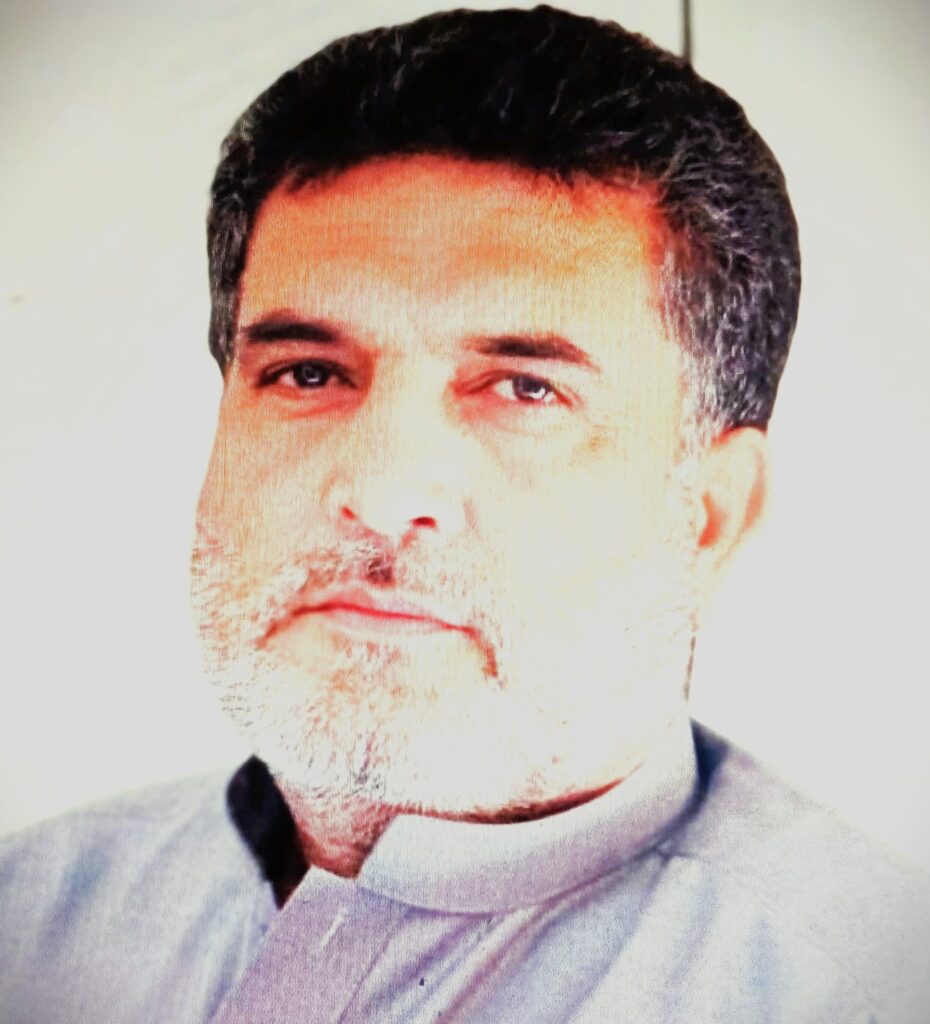
By Khpalwak Mohmand.
The prospect of a ceasefire and structured negotiations between Iran and the United States marks a rare moment of cautious optimism in a region long shaped by cycles of confrontation and uneasy pauses. After years in which diplomacy appeared to recede behind escalating rhetoric, proxy tensions and episodic violence, the tentative movement towards a negotiated framework suggests that even entrenched geopolitical disputes can, under certain conditions, be brought back into the realm of dialogue.
If this process is carried through to completion, its implications would extend far beyond the immediate bilateral relationship. The Middle East, already burdened by overlapping conflicts and fragile state structures, stands to gain the most direct dividend in the form of reduced violence and diminished uncertainty. A sustained reduction in tensions between two major regional and global actors would likely ease pressure on multiple flashpoints, recalibrating the security environment in ways that could gradually stabilise conflict-prone areas.
There is also a clear economic dimension to such a development. Global energy markets remain highly sensitive to geopolitical risk in the Gulf and surrounding regions. A credible and durable easing of tensions would help stabilise oil price volatility, offering relief to import-dependent economies while providing more predictable revenue flows for exporters. In a global economy already contending with inflationary pressures and fragmented supply chains, even incremental stability in energy markets carries significant weight. Trade routes, insurance premiums and investment sentiment are all indirectly shaped by the perceived stability of this wider region.
Within this evolving diplomatic landscape, Pakistan’s role has been framed by its leadership as one oriented towards facilitation, dialogue and mediation. The country’s political and military leadership has consistently emphasised the value of negotiation over confrontation in resolving international disputes. In a global environment where hard power narratives often dominate headlines, the steady insistence on diplomatic engagement represents a positioning that aligns with broader principles of conflict de-escalation.
It is widely expected that any final agreement, should negotiations succeed, may be formalised in Geneva, Switzerland, a city long associated with multilateral diplomacy and backchannel negotiations. The symbolism of Geneva is not incidental. It reflects the continued relevance of neutral diplomatic spaces in an era where trust between major powers is often fragmented and difficult to rebuild. Such venues provide not only logistical convenience but also psychological distance from the pressures of domestic political theatre, allowing negotiators to operate with greater flexibility.
In this context, the revival and strengthening of traditional consultative mechanisms such as jirgas, alongside formal legal and administrative frameworks, has been presented as part of a broader conversation on internal reconciliation. In areas such as the tribal districts, Balochistan and parts of Khyber Pakhtunkhwa, where local dynamics often require context-sensitive approaches, dialogue-based systems have historically played a role in dispute resolution and community cohesion. The challenge, however, lies in ensuring that such mechanisms operate within a rights-respecting and constitutionally aligned framework, rather than as substitutes for institutional governance.
The argument, therefore, is not that international diplomacy and domestic reconciliation are identical processes, but that they share a common intellectual foundation: the belief that dialogue remains preferable to coercion, and that durable stability is more likely to emerge from negotiated understanding than imposed resolution. For Pakistan, the coherence between its external diplomatic posture and internal governance practices will increasingly shape how its role is perceived both regionally and globally.
If the emerging negotiations between Iran and the United States do indeed culminate in a structured agreement, they will be interpreted as a significant diplomatic achievement in a deeply fractured international environment. But their deeper resonance may lie in the reminder that even the most entrenched conflicts can shift when political will aligns with sustained negotiation. For countries observing from the sidelines, including Pakistan, the lesson is not only about the value of mediation abroad, but about the necessity of embedding the same principles of dialogue, inclusion and institutional trust within their own domestic landscapes.
(The writer is senior journalist at tribal district Mohmand, has in-depth knowledge of national and international issues, can be reached at editorial@metro-morning.com)
