





By Imtiaz Hussain
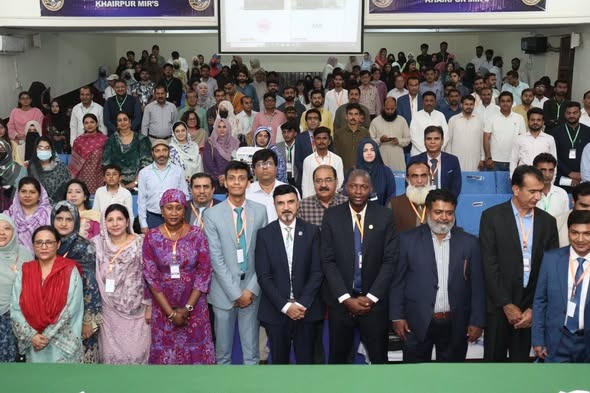
SUKKUR/KHAIRPUR: Scientists from more than 10 countries gathered at Shah Abdul Latif University (SALU) Khairpur as the 2nd International Conference on Chemical Sciences (ICCS-MA 2026) opened at the Institute of Chemistry, bringing together leading researchers, academics and young scholars to explore multidisciplinary approaches in chemical sciences.
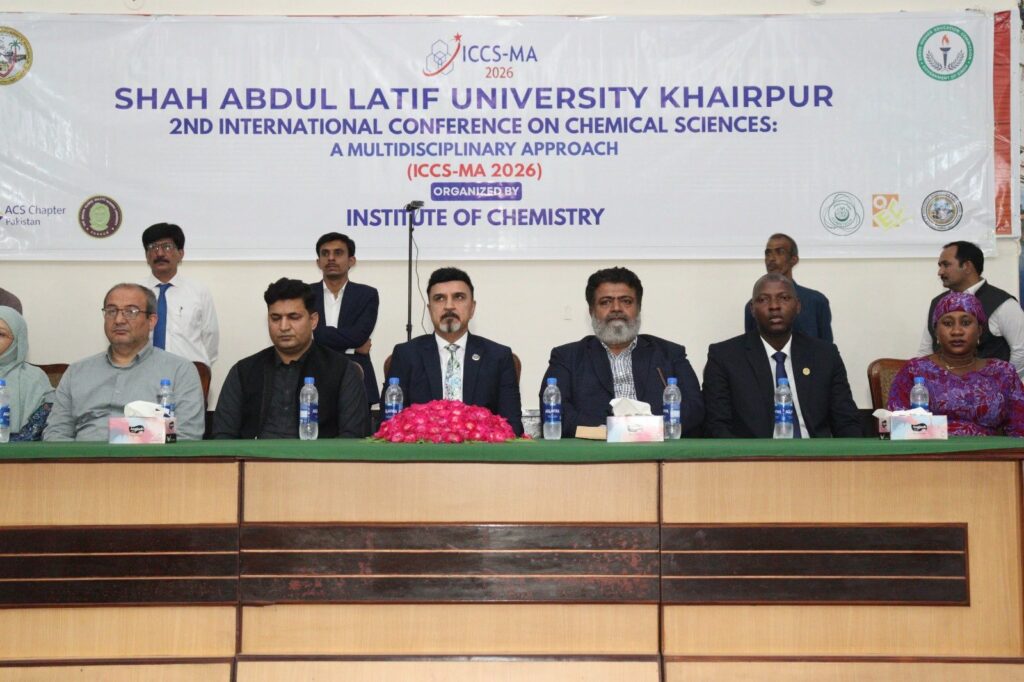
The three-day conference, organized by the Institute of Chemistry in collaboration with the ACS Pakistan Chapter, COMSTECH (OIC) and BNB Sukkur, features participants from the United States, Germany, Italy, Turkey, China, Brazil, Malaysia, Saudi Arabia, Bangladesh, Benin and other countries.
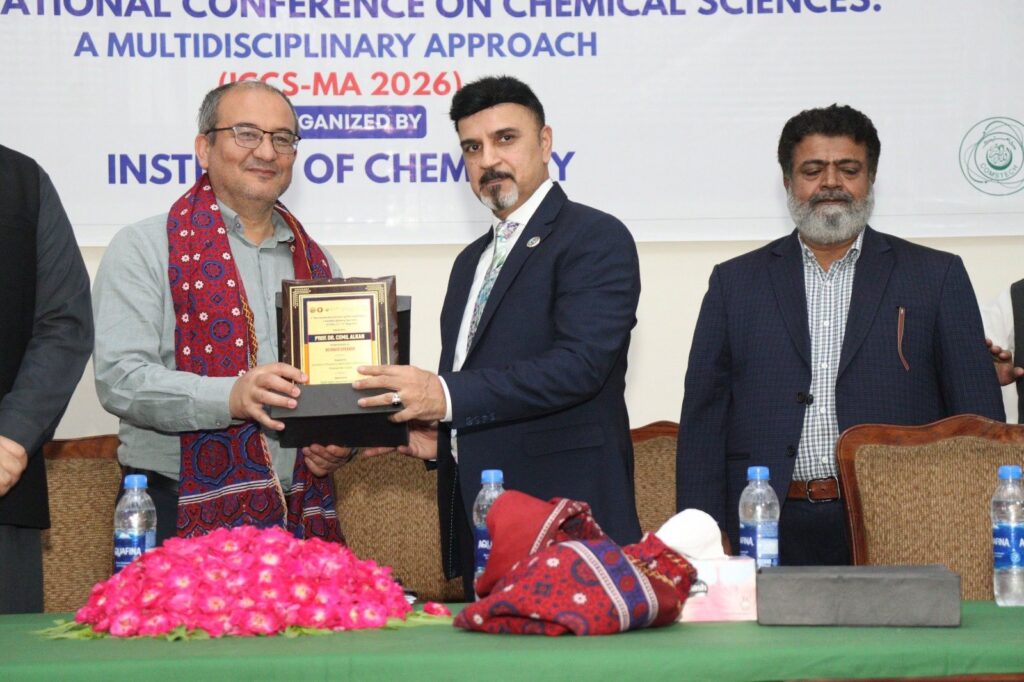
The event began with keynote addresses focusing on advanced research in energy storage, sustainable materials and electrochemical applications. Prof Dr Cemil Alkan of Tokat Gaziosmanpaşa University, Turkey, discussed micro-encapsulated phase change materials and their role in improving thermal energy storage systems. He highlighted sustainable synthesis methods and emerging applications in solar energy and smart materials.
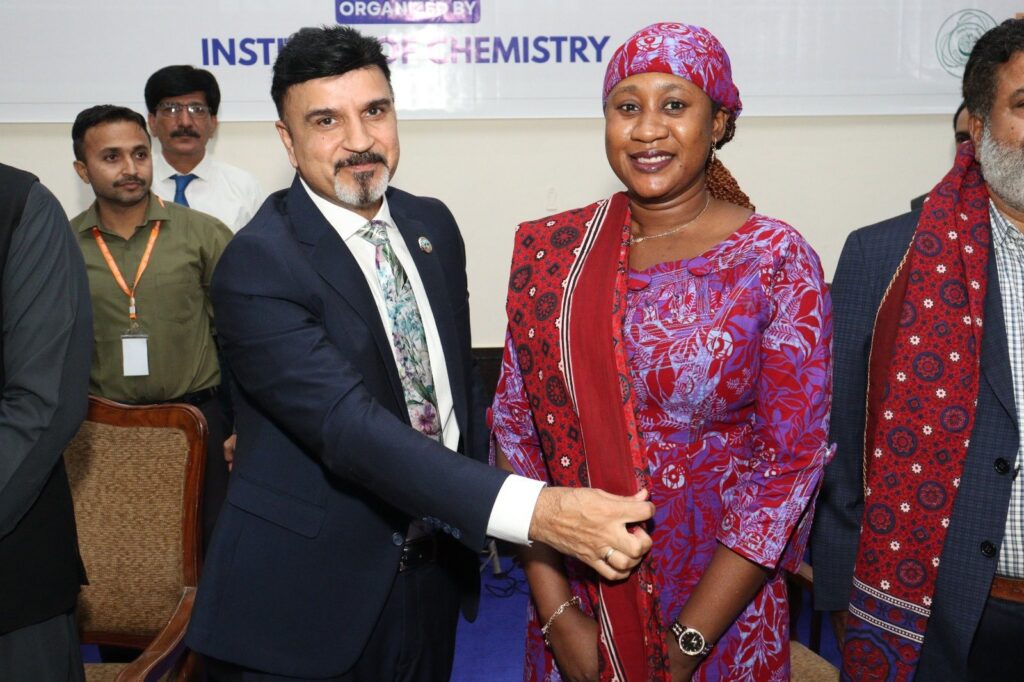
Prof Dr Norazilawati from the University of Malaya presented research on biodegradable plant stem starch-based electrolytes for sustainable energy storage, demonstrating improved ionic conductivity and eco-friendly alternatives for future electrochemical technologies. She also expressed appreciation for the hospitality and arrangements provided to international delegates.
Inaugurating the conference, Vice Chancellor Meritorious Professor Dr Yousuf Khushk described the gathering as a reflection of Sindh’s growing scientific capacity. He said chemical sciences are central to addressing global challenges such as clean energy, healthcare, water purification, sustainable agriculture and climate resilience.
He added that modern chemical sciences are closely linked with sustainable development and innovation across multiple sectors, including food security and industrial growth. He said the university aims to promote interdisciplinary research, international collaboration and practical innovation through platforms like ICCS-MA 2026.
Dr Khushk also praised the organizers for holding an international-standard conference despite economic and environmental challenges, and reaffirmed support from the Sindh government and the Higher Education Commission (HEC) in strengthening research and academic collaboration.
He urged young researchers to fully utilize the opportunities for learning and networking during the conference and formally declared the event open.
Deputy Commissioner Khairpur Altaf Ahmad Chacher and Vice Chancellor of Benazir Bhutto Shaheed University of Technology and Skill Development Khairpur Prof Dr Rasool Bux Mahar also attended the event. Dr Mahar described chemistry as the foundation of all sciences and stressed the need for innovation in addressing climate change and sustainability challenges.
Speakers at the opening ceremony emphasized that no discipline can progress in isolation and highlighted the importance of multidisciplinary research approaches in tackling issues such as climate change, food security and sustainable development.
Director Institute of Chemistry Prof Dr Khalida Mahar welcomed participants and highlighted chemistry’s cross-disciplinary importance, with a focus on encouraging young researchers. Dean Faculty of Natural Sciences Prof Dr Mushtaque Ali Jakhrani delivered the vote of thanks, appreciating all delegates, organizing committees and supporting institutions.
The conference will continue over the next two days with scientific sessions, poster presentations and networking activities aimed at promoting chemical sciences and contributing to the Sustainable Development Goals (SDGs).
