





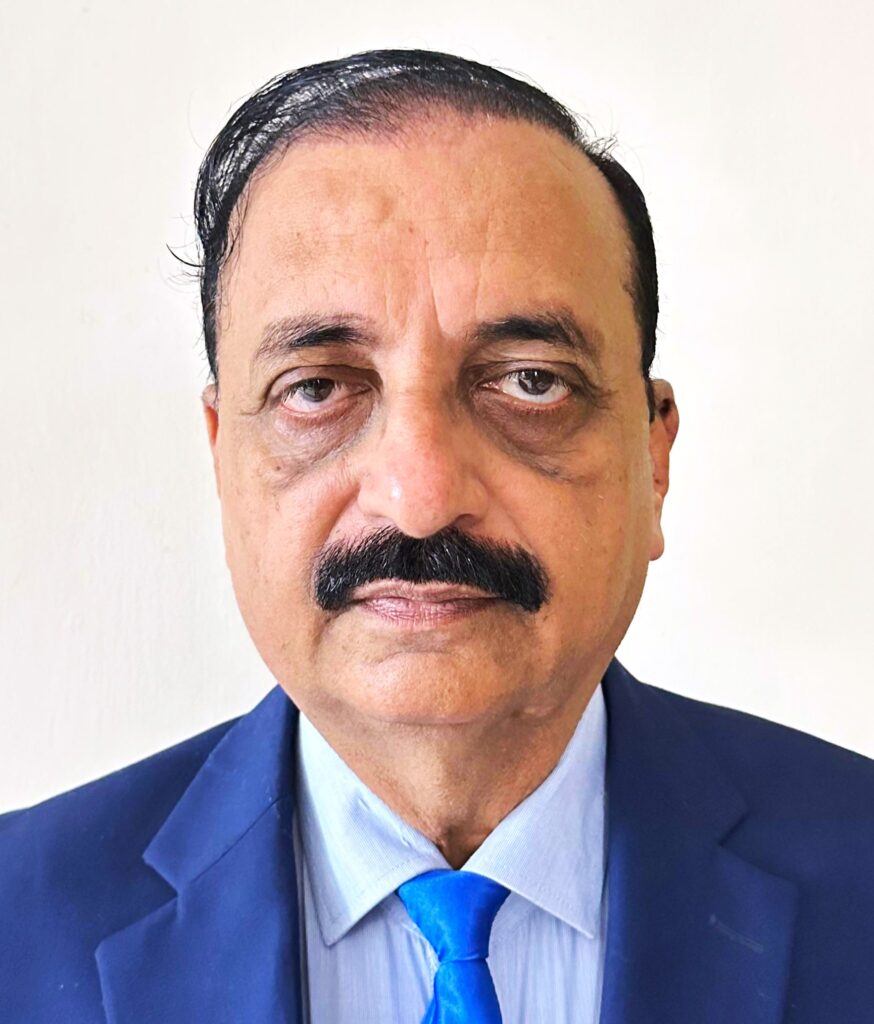
By Pir Ghulam Nabi Shah Jillani
The European Commission’s latest report on the Generalized Scheme of Preferences Plus (GSP+) offers Pakistan a welcome measure of optimism at a time when the economy continues to face significant challenges. In recent years, the country has struggled with high inflation, external financing pressures, currency volatility and slow industrial growth. Against this difficult backdrop, the confirmation that Pakistan remains the largest beneficiary of the European Union’s GSP+ program is more than a positive trade statistic. It is a reminder that despite domestic economic difficulties, Pakistani exporters continue to demonstrate resilience and competitiveness in one of the world’s largest and most demanding markets.
The numbers speak for themselves. Exports worth €7.5 billion benefited from preferential access to the European market during 2024, while tariff savings of approximately €732 million helped Pakistani goods remain competitive against rivals from other exporting nations. Even more encouraging is the utilization rate of 95.1%, which indicates that exporters are making full and effective use of the opportunities available under the scheme. This reflects not only the importance of the European market but also the capacity of many Pakistani businesses to meet international standards and compete successfully when provided with fair market access.
The European Union has become one of Pakistan’s most important economic partners. Nearly one-third of the country’s exports now find buyers across European markets. This relationship extends beyond statistics. It supports thousands of factories, creates employment for millions of workers and sustains entire supply chains linked to textiles, garments, leather products, sports goods, surgical instruments, processed food and other manufactured exports. In many industrial cities, from Karachi and Lahore to Faisalabad and Sialkot, the livelihoods of countless families are directly connected to demand from European consumers.
The significance of this relationship becomes even clearer when viewed against Pakistan’s broader economic realities. The country continues to face recurring pressure on its foreign exchange reserves while import requirements remain substantial. Export earnings therefore represent one of the few sustainable ways of strengthening economic stability. Every additional dollar earned through exports reduces dependence on borrowing, eases pressure on the balance of payments and contributes to greater financial confidence. Programs such as GSP+ therefore carry importance far beyond the immediate commercial advantages they offer individual businesses.
The report also highlights another important dimension that often receives less public attention. Continued participation in GSP+ depends not only on trade performance but also on Pakistan’s commitment to implementing 27 international conventions covering labor rights, environmental protection, human rights and good governance. These obligations are an essential part of the agreement and reflect the European Union’s expectation that preferential market access should support responsible and sustainable development.
Pakistan’s continued cooperation with the European Commission’s monitoring process sends an important signal to international partners. It demonstrates that economic engagement is increasingly linked with transparency, institutional development and adherence to internationally recognized standards. Yet the encouraging findings of the report should not encourage complacency. Businesses continue to face high production costs, unreliable energy supplies, expensive financing, taxation complexities and regulatory uncertainty. These challenges reduce competitiveness and discourage investment precisely when Pakistan needs industrial expansion to create employment and generate higher exports.
The manufacturing sector has repeatedly demonstrated its ability to respond positively when conditions improve. What many businesses require is not extraordinary support but consistent policies that allow long-term planning. Investors are more likely to expand production when energy prices are predictable, taxation remains stable and government policies are implemented consistently rather than altered with every fiscal adjustment. Confidence is built gradually but can be undermined quickly when uncertainty becomes the defining feature of the business environment.
Infrastructure also deserves greater attention. Efficient ports, modern transport networks and streamlined customs procedures are no longer optional components of international trade. Global supply chains increasingly reward speed, reliability and efficiency. Delays at ports, administrative bottlenecks or transport inefficiencies increase costs and reduce Pakistan’s ability to compete against regional exporters. Improving logistics would benefit existing exporters while making the country more attractive for new investment.
Diversification should become another national priority. Although textiles remain Pakistan’s strongest export sector, excessive dependence on a limited range of products exposes the economy to shifts in global demand. Expanding exports of engineering products, pharmaceuticals, information technology services, processed agricultural goods and other value-added industries would reduce vulnerability while increasing export earnings. Greater investment in innovation, skills development and technology will be essential if Pakistan wishes to move beyond traditional manufacturing and compete in higher-value sectors.
Diplomacy also has an increasingly important economic dimension. Maintaining strong political and commercial relations with the European Union requires continuous engagement rather than periodic interaction. Trade negotiations, regulatory cooperation and constructive dialogue help preserve confidence while ensuring that Pakistan’s concerns are heard as discussions continue over the future of the GSP+ framework. In a world where trade is increasingly shaped by geopolitical considerations, economic diplomacy has become just as important as conventional foreign policy.
The latest GSP+ report is therefore both an endorsement and a challenge. It confirms that Pakistani businesses have the capacity to succeed in highly competitive international markets when opportunities exist. It also reminds policymakers that external confidence must be matched by domestic reform. If Pakistan can combine continued access to European markets with sound economic management, industrial modernization and consistent policymaking, the benefits of GSP+ can extend well beyond increased exports. They can help lay the foundations for a stronger, more diversified and more self-reliant economy capable of delivering lasting prosperity.
(The writer is a senior retired government health official and served more than 30 years in the Public Sector on various executive, managerial and administrative positions with large administrative and clinical experience. He has keen interest in national, international affairs, and geopolitics. He can be reached at editorial@metro-morning.com)
#GSPPlus #EuropeanUnion #Pakistan #Exports #Trade #Economy #EconomicGrowth #Investment #Business #Industry #Textiles #Manufacturing #TradePolicy #InternationalTrade #ExportGrowth #ForeignExchange #EconomicReforms #SustainableDevelopment #HumanRights #LabourRights #GoodGovernance #EU #PakistanEconomy #GlobalMarkets #IndustrialDevelopment #CurrentAffairs #Opinion #MetroMorning #WorldEconomy #WorldNews
