





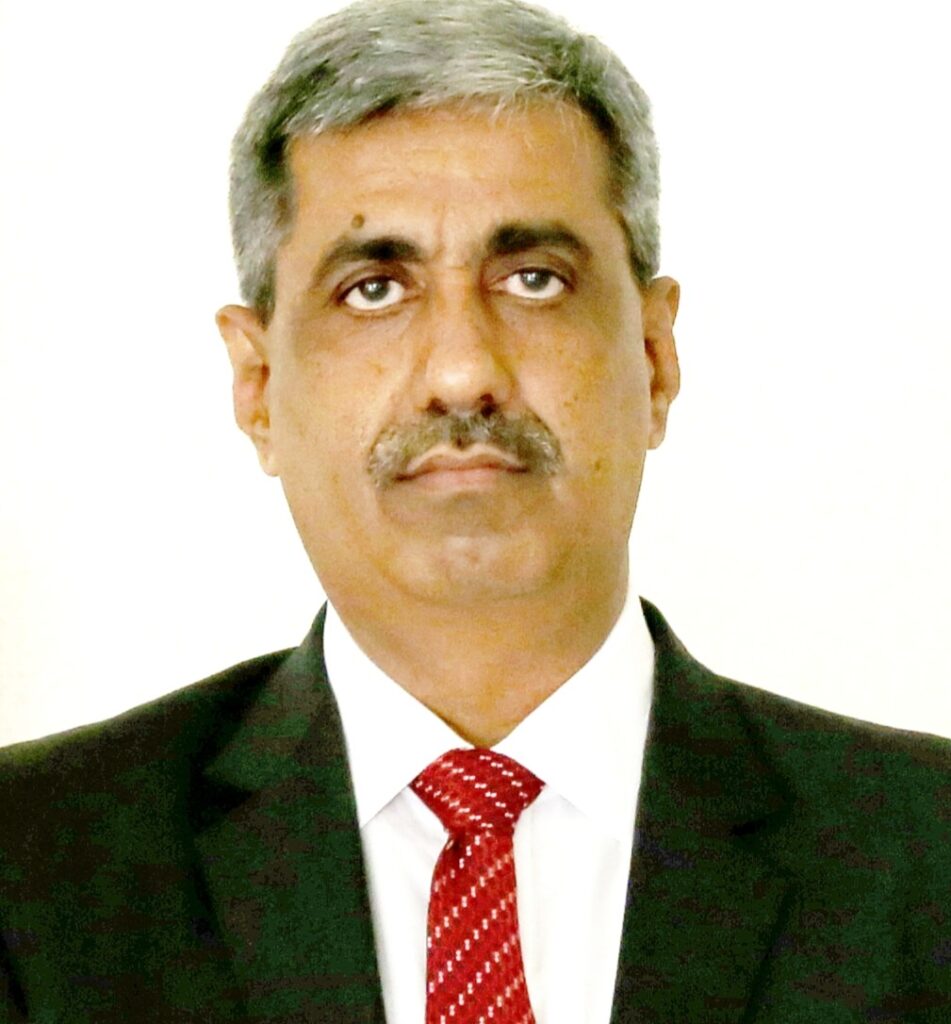
By Abdul Samad Channa
In television programing, a short commercial break is not merely a pause; it is a necessity. It allows organizers and broadcasters to secure the financial support required to sustain the program and continue serving the audience. Without such pauses, continuity becomes difficult. Interestingly, the same principle applies to nations, especially Pakistan. Today, Pakistan desperately needs a “short break”: a pause in its unchecked population growth, which is rapidly outpacing resources, education, healthcare, and employment opportunities. Every year, millions are added to the population while planning and infrastructure struggle to keep pace. No system, however strong, can survive continuous pressure without intervals for adjustment and recovery.
Pakistan also needs a short break from endless political maneuvering. Political parties remain locked in confrontation while national priorities continue to suffer neglect. Elections come and go, alliances shift overnight, yet the ordinary citizen still waits for stability, governance, and relief. Politics should serve as a means to national progress, not a permanent battlefield. Equally, the country needs a break from corruption. Over time, corruption has become normalized in many sectors of society, weakening institutions and eroding public trust. From small offices to large development projects, dishonesty drains national resources and discourages merit. No society can truly progress when shortcuts become more rewarding than hard work.
Pakistan also requires a short break from favoritism and the culture of connections. Too often, opportunities are distributed not on merit or capability, but on personal influence, family background, political affiliations, or social status. This trend discourages talented individuals, damages institutional credibility, and creates frustration among the youth. Nations cannot progress when deserving people are repeatedly pushed behind those with privileged access. We further need a short break from narcissism and excessive self-glorification. In many spheres of public life, individuals seek applause more than accountability, and publicity more than performance. Social media has amplified this tendency, where image-building often overshadows substance and service.
A society obsessed with self-praise gradually loses the ability to self-correct. Real progress begins with humility, reflection, and the willingness to acknowledge shortcomings. Similarly, Pakistan needs a break from self-righteousness—the growing habit of believing that only one’s own opinion, ideology, ethnicity, sect, or political affiliation is correct while everyone else is misguided. This mindset has narrowed our collective ability to listen, compromise, and coexist. Constructive disagreement is the foundation of democracy and social harmony, yet intolerance towards differing views continues to deepen divisions within society. Furthermore, Pakistan requires a break from intolerance itself—from divisions based on language, ethnicity, sect, class, and region.
Nations grow stronger when unity rises above differences. Unfortunately, our public discourse increasingly reflects anger instead of understanding, and blame instead of solutions. The habit of labelling opponents as enemies rather than fellow citizens weakens the social fabric of the country. The country also needs a short break from sensationalism. Every issue is quickly turned into a spectacle, every disagreement into a crisis, and every rumour into breaking news. In this atmosphere of constant noise, serious policy discussions and thoughtful dialogue struggle to survive. Nations are not built through emotional reactions alone; they are built through patience, maturity, and long-term planning.
There is also a pressing need for a break from dependency—dependency on loans, imports, and temporary fixes. Sustainable nations invest in productivity, education, innovation, and self-reliance. Pakistan possesses immense talent, abundant natural resources, and youthful energy, but these strengths require direction, sincerity, and long-term commitment. At the same time, Pakistan needs a short break from the culture of impatience. As a society, we increasingly demand immediate results without investing sustained effort. We seek overnight success in politics, economics, education, and even personal life. However, meaningful national progress is always gradual. Strong institutions, responsible leadership, and social reform are built over decades, not days.
Another area requiring reflection is the decline of civic responsibility. Many citizens demand rights but neglect responsibilities towards society, public property, law, and community welfare. Cleanliness, discipline, honesty, respect for rules, and concern for the common good are essential ingredients of national development. No government alone can transform a nation unless citizens themselves become active participants in reform. Importantly, a “short break” does not mean halting progress. In fact, it means pausing long enough to reflect, reorganize, and restart with wisdom. Just as a television program often returns stronger and more sustainable after a commercial interval, Pakistan too can emerge stronger through thoughtful reforms and collective introspection.
The question is not whether Pakistan has problems—every nation does. The real question is whether we possess the courage to pause harmful patterns before they permanently damage our future. Perhaps what Pakistan truly needs today is not another slogan, another confrontation, or another temporary arrangement.
(The writer is former faculty member of National Institute of Management, Karachi and keen observer of national and international healthcare sector policies. He can be reached at editorial@metro-morning.com)
