





By S.M. Inam
KARACHI: Pakistan’s weekly oil import bill has jumped sharply from around $300 million to nearly $800 million amid supply disruptions and volatility in international markets. Strait of Hormuz
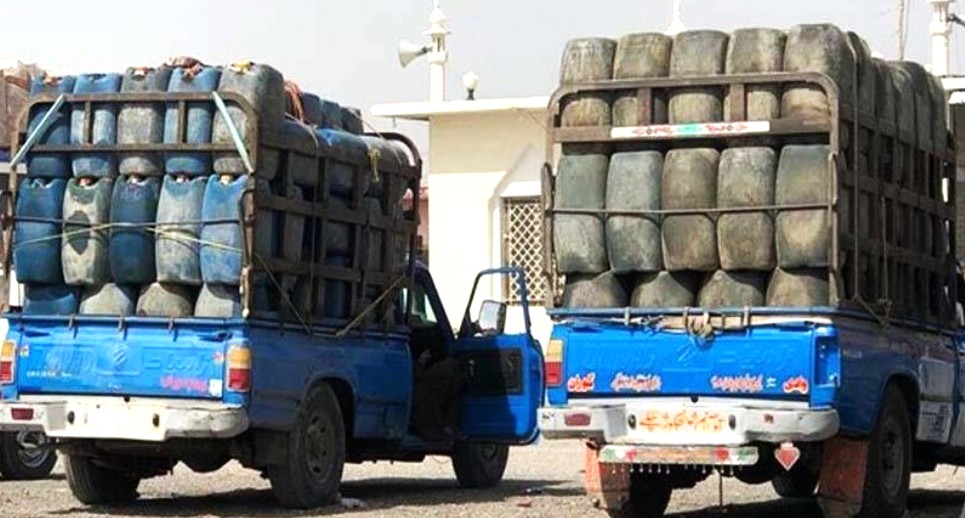
At the same time, illegal inflows of Iranian diesel and petrol have reportedly increased, affecting demand for domestically refined fuels and disrupting market stability. Iran
Major refineries, including PARCO, Pakistan Refinery Limited, National Refinery Limited and Attock Refinery, have collectively written to the chairman of the Oil and Gas Regulatory Authority, warning that smuggled fuel is posing a serious threat to their operations and financial viability. Oil and Gas Regulatory Authority
In their letter, the refineries urged the government to focus on curbing cross-border smuggling rather than reducing domestic production, arguing that illegal fuel inflows are significantly reducing demand for locally refined petroleum products. They cautioned that failure to take immediate action could further damage refinery output, financial stability and the country’s broader fuel supply chain.
Industry data cited in reports suggests that around 5,000 tonnes of smuggled diesel are entering Pakistan daily, accounting for nearly 23 per cent of total high-speed diesel demand, while also depriving the state of substantial revenue from petroleum levies and customs duties.
Earlier intelligence reports had identified extensive smuggling networks involving hundreds of fuel stations, traders and officials, highlighting the scale of the informal fuel economy.
Meanwhile, Gulf suppliers including Kuwait and Saudi Arabia have reportedly increased fuel deliveries to Pakistan in an effort to stabilise supply conditions amid growing market pressure. Saudi Arabia Kuwait
Refinery stakeholders have also expressed concern over proposals to allow regulated sale of Iranian diesel in parts of Balochistan at discounted prices, warning it could further undermine formal sector investments in Pakistan’s energy infrastructure.
