





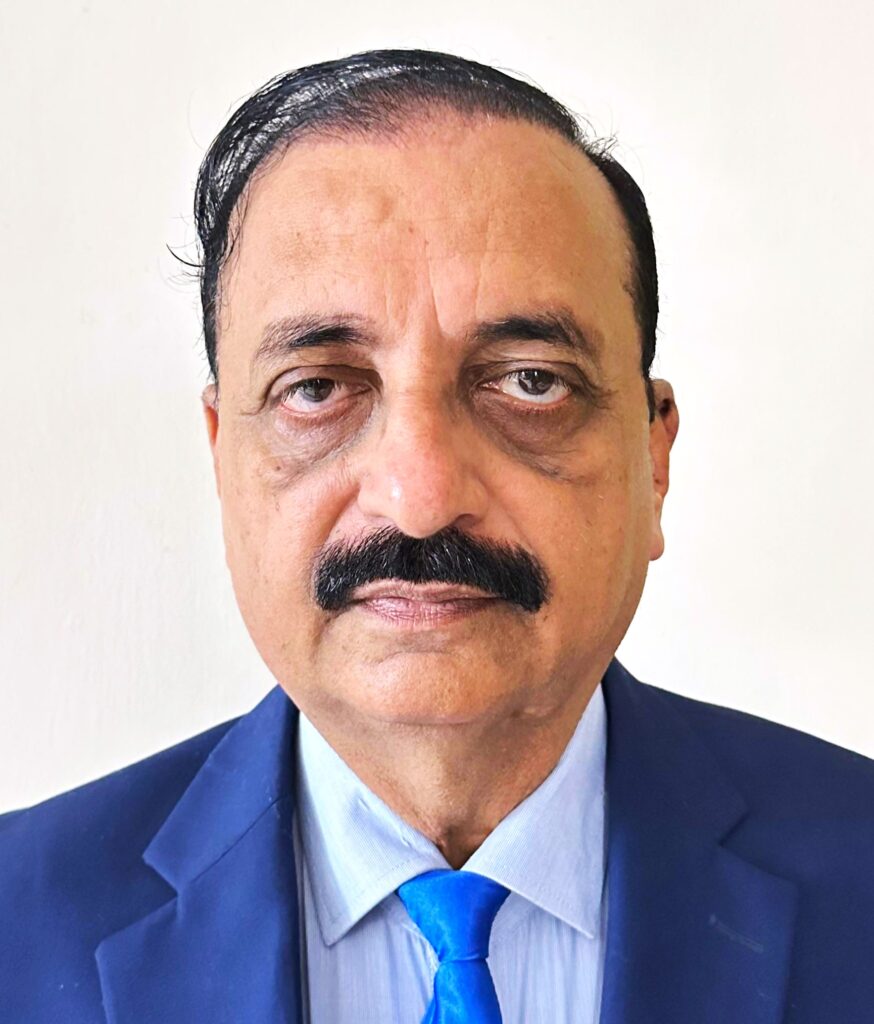
By Dr Pir Ghulam Nabi Shah Jillani
Pakistan is confronting a public health crisis that receives far less attention than it deserves. While infectious diseases continue to place enormous pressure on an already stretched healthcare system, another threat is advancing quietly through homes, workplaces and communities. Hyperlipidemia, the presence of abnormally high levels of cholesterol and triglycerides in the blood, has become an important contributor to heart disease, stroke and premature death. Its danger lies precisely in its lack of drama. Unlike illnesses that announce themselves through obvious symptoms, high cholesterol can remain undetected for years while gradually damaging the arteries. For many people, the first warning is not a routine medical consultation but a heart attack, a disabling stroke or sudden cardiac death.
The scale of the wider cardiovascular problem should force Pakistan to reconsider how it approaches prevention. Cardiovascular diseases remain the leading cause of death globally, accounting for millions of deaths every year, with the overwhelming majority occurring in low- and middle-income countries. Pakistan is experiencing the consequences of this transition with increasing urgency. Rapid urbanization, sedentary lifestyles, changing diets, obesity, diabetes, hypertension and tobacco use have combined to create conditions in which cardiovascular disease can flourish. Dyslipidemia sits at the center of many of these risks, yet it remains poorly understood by much of the public and is frequently discovered only after serious damage has occurred.
The transformation of Pakistan’s diet over recent decades has played an important part in this deterioration. Traditional diets based more heavily on whole grains, pulses, vegetables and fresh foods have increasingly competed with processed meals, fast food, sugary drinks, bakery products and foods containing excessive saturated and trans fats. At the same time, physical activity has declined as urban life has become more dependent on cars, motorcycles, mechanized transport and increasingly sedentary work. Children are spending more time in front of screens and less time engaged in physical activity, while obesity and metabolic disorders are appearing at younger ages. The result is visible in hospitals, where doctors are increasingly encountering cardiovascular disease among people who would once have been considered too young to face such conditions.
The problem is not simply one of high total cholesterol. Modern cardiovascular medicine has developed a more sophisticated understanding of lipid disorders. Low-density lipoprotein, or LDL cholesterol, remains a principal target of treatment, while non-HDL cholesterol, apolipoprotein B and lipoprotein(a) can provide additional information in people with particular risk profiles. Treatment decisions increasingly depend on a person’s overall cardiovascular risk rather than a single laboratory number. Diabetes, hypertension, obesity, smoking, kidney disease, physical inactivity and a family history of premature heart disease can all change the level of risk. South Asian populations, including Pakistanis, also carry important genetic and metabolic vulnerabilities that make prevention particularly important.
Inherited conditions deserve greater attention. Familial hypercholesterolaemia, a genetic disorder that can cause exceptionally high LDL cholesterol from an early age, remains substantially underdiagnosed. Pakistani research involving a very large population has highlighted the scale of the problem and the need for earlier identification. A person with inherited high cholesterol may look perfectly healthy while accumulating arterial damage for years. Screening such patients is not simply a matter of treating one individual. Once a genetic condition is identified, relatives can also be assessed, allowing treatment to begin before serious cardiovascular disease develops.
The good news is that much of the cardiovascular burden associated with high cholesterol is preventable and treatable. Statins remain the foundation of lipid-lowering therapy because extensive evidence has established their ability to reduce the risk of heart attacks and strokes. For patients who remain at high risk or cannot reach appropriate cholesterol levels with standard treatment, medicines such as ezetimibe, PCSK9 inhibitors, inclisiran and bempedoic acid have expanded the available options. But medical treatment cannot substitute for prevention. A healthier diet, regular physical activity, maintaining an appropriate weight, stopping tobacco use and controlling diabetes and blood pressure remain essential parts of reducing cardiovascular risk.
This is where Pakistan’s response must move beyond the doctor’s consulting room. Cholesterol screening should become a more routine part of primary healthcare, particularly for people with diabetes, hypertension, obesity or a family history of premature cardiovascular disease. Public awareness campaigns should explain that high cholesterol is usually symptomless and cannot be reliably detected by how healthy a person feels. Schools can encourage healthier eating and physical activity from an early age, while urban planning can make walking and exercise more practical. Stronger regulation of industrial trans fats and better access to affordable essential medicines would also have a meaningful impact.
There is a broader economic argument for acting now. Treating a heart attack or stroke after it occurs is considerably more expensive than preventing one. Cardiovascular disease can remove people from the workforce, impose long-term costs on families and leave survivors with disabilities requiring years of care. In a country already facing significant economic pressures, allowing preventable illness to consume household incomes and public healthcare resources is not a sustainable strategy.
Pakistan therefore needs to treat dyslipidemia and cardiovascular prevention as national priorities rather than issues confined to cardiology departments. The country does not need to wait for more sophisticated hospitals before taking action. It needs stronger primary healthcare, earlier screening, public education, healthier food policies and affordable access to proven treatments. Hyperlipidemia may be silent, but its consequences are not. Every heart attack prevented and every stroke avoided represents not only a medical success but a family spared grief, a worker remaining productive and a healthcare system spared an avoidable burden. Pakistan’s choice is increasingly clear: continue paying the human and economic price of preventable cardiovascular disease, or invest in prevention before the silent damage becomes irreversible.
(The writer is a senior retired government health official and served in the Public Sector on various positions with large administrative and clinical experience. He has keen interest in national, international affairs, and geopolitics. He can be reached at editorial@metro-morning.com)
Pakistan #Cholesterol #Hyperlipidemia #HeartDisease #CardiovascularHealth #StrokePrevention #PublicHealth #HealthcarePakistan #Dyslipidemia #HeartHealth #PreventiveHealthcare #HealthyLifestyle #Diabetes #Hypertension #Obesity #TobaccoUse #HealthAwareness #PrimaryHealthcare #Statins #CardiovascularDisease #PakistanHealth #DrPirGhulamNabiShahJillani #MetroMorning
