





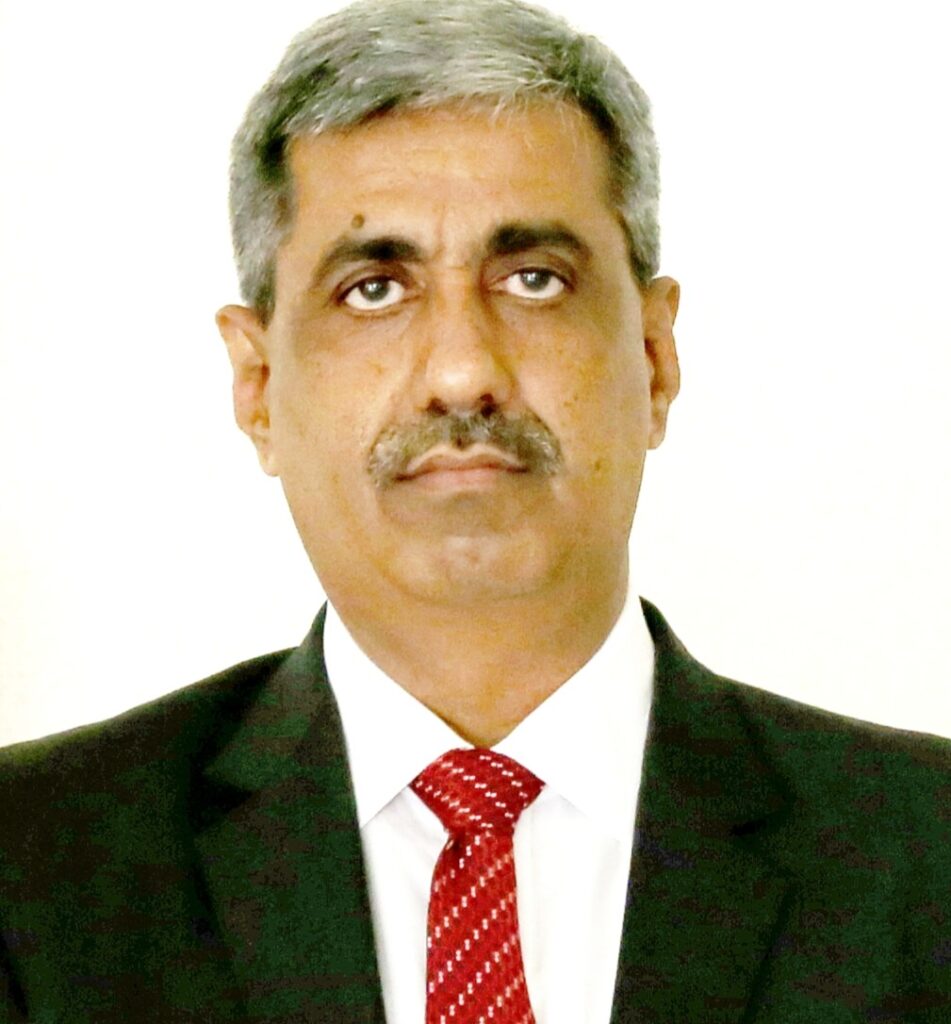
By Abdul Samad Channa
In every society, recognition is never just a polite gesture or a matter of ceremonial routine. It is, in effect, a quiet form of instruction. It tells people what is valued, what is rewarded, and what kinds of success are considered worth celebrating. When recognition is carefully aligned with sustained effort, demonstrated competence and public service, it can reinforce discipline and ambition. But when it arrives too early in a person’s professional journey, before responsibilities have been fully carried and tested, it can subtly reshape expectations in ways that are not always beneficial.
A noticeable pattern has emerged in parts of Sindh in recent years, particularly around candidates who clear Pakistan’s highly competitive Central Superior Services examination and are allocated to prestigious groups such as the Police Service of Pakistan and the Pakistan Administrative Service. Success at this stage is undeniably significant. The CSS examination is widely regarded as one of the most demanding entry points into the civil bureaucracy, requiring sustained preparation, intellectual endurance and personal discipline over several years.
Yet the public response to this success has, in some cases, taken on a character that goes beyond simple acknowledgment. Candidates are frequently greeted with public receptions, garlanding ceremonies and forms of protocol that resemble official status, even before they have entered the Civil Services Academy or assumed any formal role within the state apparatus. The symbolism is powerful, but it also raises important questions about timing, meaning and institutional culture.
There is no doubt that the intention behind such celebrations is largely positive. In societies where public service is often undervalued, recognizing academic and competitive achievement can play an important role in encouraging aspiration. For many young people, seeing peers celebrated for academic success reinforces the idea that effort and education still matter. It can help restore faith in meritocratic pathways in a context where frustration with opportunity is often high. In that sense, these moments of recognition are not without merit.
But the civil service is not merely an entry-level achievement; it is a long institutional journey defined less by selection and more by service. The early years of training, probation and field exposure are where professional identity is formed. It is in these stages that concepts such as restraint, ethical judgement, administrative neutrality and accountability begin to take root. These are not qualities that can be assumed at the moment of success in an examination; they are developed gradually through experience, correction and exposure to real governance challenges.
When recognition precedes this formative period, there is a subtle but important risk. It can create an impression that status has already been achieved, rather than responsibility having just begun. The emphasis may shift, even unintentionally, from the demanding nature of public service to the symbolic prestige of selection. In some cases, this may foster expectations that are difficult to sustain once individuals enter the more demanding realities of administrative work, where decisions are scrutinized, pressures are constant, and outcomes are rarely straightforward.
There is also a broader institutional memory to consider. The civil service has historically been shaped by individuals who entered quietly, trained rigorously, and built reputations over years rather than days. Many of those who have served with distinction did so without public ceremony at the outset of their careers. Their recognition, when it came, was earned through sustained performance in difficult circumstances, often far from public attention. These experiences form an important counterpoint to contemporary celebratory trends.
This is not an argument against celebrating achievement. It would be neither realistic nor desirable to discourage public acknowledgment of hard-earned success. Rather, the question is one of balance and calibration. Recognition can be powerful, but its impact depends on how and when it is expressed. A culture that celebrates entry-level success as though it were the culmination of service risks blurring the distinction between potential and performance.
A more constructive approach may lie in reframing the nature of such celebrations. Instead of treating success in competitive examinations as an endpoint worthy of ceremonial elevation, it might be more appropriate to present it as the beginning of a longer responsibility. Recognition could be paired more explicitly with reminders of duty, ethical expectations and the long road of institutional contribution that lies ahead. In doing so, celebration would not diminish, but deepen in meaning.
There is also an opportunity here to strengthen public understanding of what civil service actually entails. Too often, it is perceived primarily through the lens of status or entry, rather than as a continuous process of governance, decision-making and public accountability. If recognition practices evolve to reflect this broader understanding, they may help cultivate a healthier relationship between society and its administrative institutions.
Ultimately, the question is not whether achievement should be acknowledged, but what kind of culture such acknowledgment helps to build. Societies that value endurance over immediacy, responsibility over symbolism, and service over status are more likely to develop resilient institutions. In that sense, even the act of celebration carries consequences.
The challenge, therefore, is to ensure that recognition remains anchored in reality rather than aspiration alone. When praise is reserved not only for potential but also for performance, and when admiration is balanced with an understanding of responsibility, both individuals and institutions are better served. In the long arc of public service, it is not the moment of entry that defines a career, but the quiet, often uncelebrated work that follows.
(The writer is former faculty member of National Institute of Management, Karachi and keen observer of national and international healthcare sector policies. He can be reached at editorial@metro-morning.com)
