





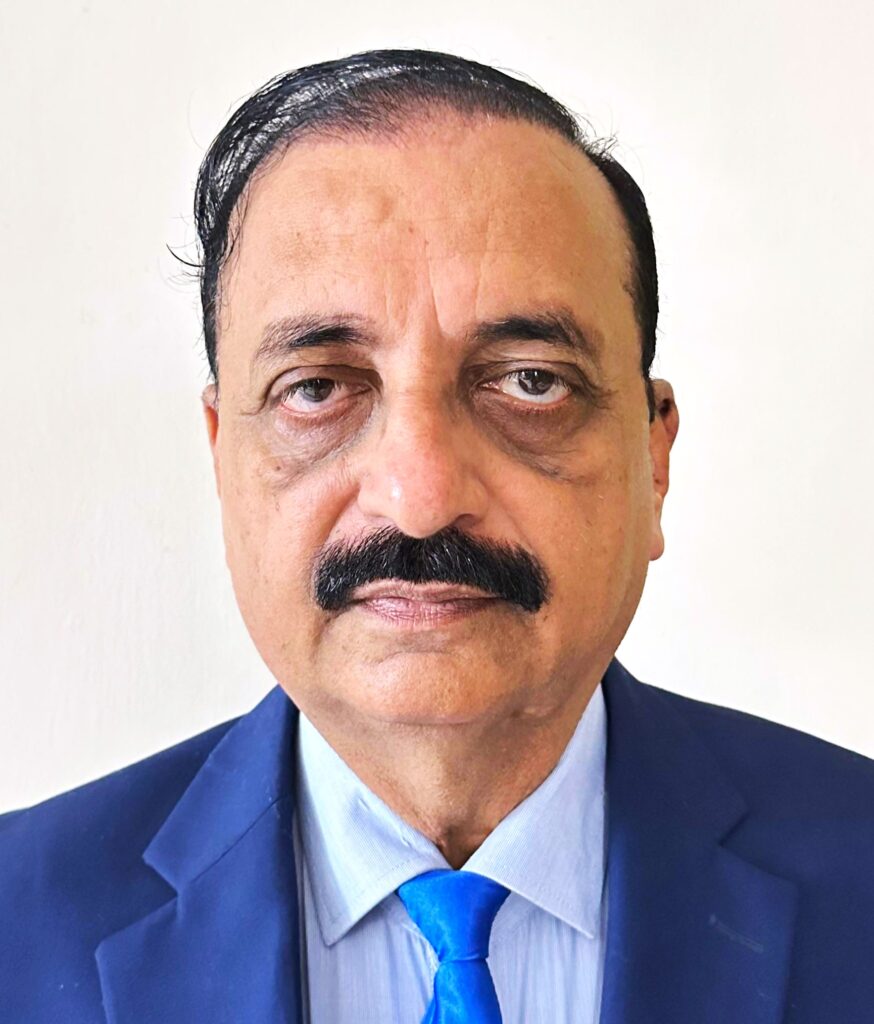
By Dr Pir Ghulam Nabi Jillani
The federal government’s decision to raise petrol and diesel prices has once again brought the country’s economic pressures into sharp focus. For millions of Pakistanis already struggling with rising food prices, expensive electricity bills and shrinking household budgets, another increase in fuel costs feels less like a policy adjustment and more like an additional burden placed on daily life.
Federal Petroleum Minister Ali Pervaiz Malik has defended the decision, arguing that fuel prices in Pakistan are linked to international market rates for refined petroleum products. He said the recent increase was mainly caused by a rise in global oil prices following tensions in the Middle East. According to the minister, the government is currently collecting around Rs85 per litre through petroleum levy and carbon support levy, slightly below the previous level of Rs86.90 per litre.
However, such explanations have done little to ease public frustration. For ordinary citizens, the debate is not only about international prices but about how those global changes are reflected in their own lives. When international markets move upward, consumers quickly feel the impact at petrol stations. But when global prices fall, the relief often appears slower, smaller and less visible.
This uneven pattern has become one of the biggest sources of public dissatisfaction. A fair pricing system should ensure that both increases and reductions in global oil markets are transferred to consumers in a transparent and balanced manner. If rising international costs can immediately justify higher prices at home, then falling prices should also bring equally swift relief to citizens.
The recent increase has further strengthened these concerns. International oil markets saw only a limited rise before showing signs of correction, yet domestic petrol and diesel prices were increased by around Rs13 to Rs14 per litre. Meanwhile, previous declines in global prices resulted in comparatively smaller reductions for consumers. This difference has created the perception that international market trends are being used more readily as a reason for increasing prices than for providing relief.
The government’s argument that it has limited control over global oil markets is understandable. Pakistan remains heavily dependent on imported petroleum products, and international conflicts, supply disruptions and currency fluctuations can influence domestic prices. But economic management is not only about explaining unavoidable pressures; it is also about protecting citizens from their harshest effects.
At a time when inflation has already reduced the purchasing power of millions of families, every rise in fuel prices has consequences far beyond the petrol pump. Higher fuel costs increase transportation expenses, affect agricultural production, raise the cost of goods and eventually place further pressure on household spending. For workers who rely on motorcycles, public transport or small businesses dependent on fuel, even a minor increase can have a significant impact.
The contrast between official economic decisions and public hardship has become increasingly visible. While government officials and senior authorities continue to receive official facilities, including fuel allowances and other privileges, ordinary citizens are forced to adjust their daily routines to cope with rising costs. For decision-makers, a fuel price increase may represent a manageable expense. For low- and middle-income families, it can mean choosing between transport, food, healthcare or education.
The petroleum minister has repeatedly argued that difficult choices are necessary to maintain economic stability. He has suggested that the government must either increase fuel prices or accept greater inflationary pressure. Yet many citizens question whether they are seeing the promised stability. Despite repeated price adjustments, inflation remains a major concern, and families continue to feel the impact of higher living costs.
The issue has also created unease within the government’s political alliance. Members of the Muttahida Qaumi Movement (MQM) have criticised the increase, describing it as an additional burden on citizens already facing economic difficulties. Their opposition reflects a wider concern that public patience is being tested at a time when people are expecting relief rather than further financial pressure.
The government now faces the challenge of rebuilding trust over its fuel pricing policy. This requires more than defending decisions through technical explanations. It requires greater transparency about how prices are calculated, how taxes and levies contribute to the final cost, and why reductions in international markets do not always reach consumers at the same pace as increases.
Petroleum products are not luxury items in Pakistan; they are central to economic activity and everyday life. A sustainable energy pricing policy must therefore balance fiscal needs with the realities faced by citizens. Reducing unnecessary burdens, reviewing taxation measures and ensuring fairness in price adjustments would help restore public confidence.
The government cannot control global conflicts or international oil markets, but it can control how those pressures are managed at home. In difficult economic times, leadership is measured not only by the ability to explain rising costs but by the willingness to find ways to protect citizens from their impact. For millions of Pakistanis, the question is no longer just why fuel prices are rising, but whether the system behind those decisions is truly fair.
(The writer is a senior retired government health official and served more than 30 yrs in the Public Sector on various executive, managerial and administrative positions with large administrative and clinical experience. He has keen interest in national, international affairs, and geopolitics. He can be reached at editorial@metro-morning.com)
