





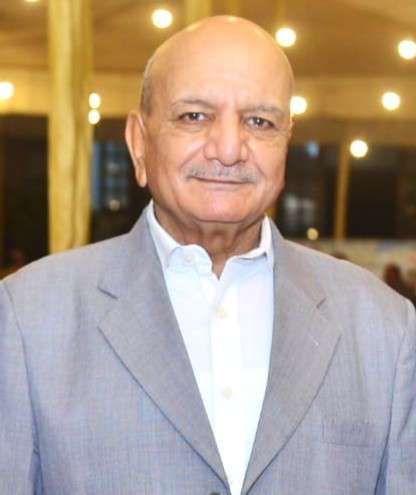
By Zahid Karani
In the shadow of the towering Pamir mountains, where mistrust has long cast a chill over shared valleys, Uzbekistan and Tajikistan are quietly rewriting their story. Not with fanfare or grand treaties, but through the humdrum promise of trade—swapping goods, building factories, linking fates. At a conference in Tashkent this week, hosted by the International Institute for Central Asia, experts like Khurshed Asadov, deputy director of Uzbekistan’s Center for Economic Research and Reforms, sketched a vision that’s as pragmatic as it is tantalizing: bilateral trade could swell by another 30-40% if the neighbors simply prioritize each other’s products over pricier imports from afar.
It’s not rocket science; it’s neighborly sense, turning a fraught border into a bridge for prosperity. Consider the quiet triumphs already in motion. From 2017 to 2025, trade between them has exploded 3.8-fold, from $238 million to $912 million—a leap that feels almost miraculous in a region scarred by Soviet-era divisions and water feuds. Uzbekistan’s exports to Tajikistan have grown 3.7 times over, while imports from its smaller neighbor have more than quadrupled. Tajikistan now sits ninth on the list of destinations for Uzbek goods, thanks to the institutional glue of strategic partnership agreements. Asadov, with the steady gaze of a man who’s crunched the numbers, insists this is just the starter.
Geography screams for more: a 1,300-kilometre border, humming transport links, and proximity that beggars belief. Why ship fridges from China or chemicals from Turkey when Uzbek factories could flood Tajik markets, undercutting outsiders and pocketing that extra growth? However, the real poetry here lies in what Asadov calls industrial symbiosis—a fancy term for neighbors pooling strengths like farmers sharing a well. Imagine joint factories rising along the frontier, where Tajikistan’s bountiful cotton, fruits and minerals meet Uzbekistan’s manufacturing prowess. Raw potatoes from Tajik fields transformed into packaged goods in Uzbek plants; agrologistics hubs sprouting to whisk them to market fresh and fast. These aren’t utopian sketches; they’re responses to real gaps.
Revamp the dusty transport corridors snaking through Central Asia, widen transit routes clogged by bureaucracy, and suddenly investment pours in. Asadov paints a pivot from basic bartering to intertwined economies: shared ventures humming with workers, infrastructure projects employing thousands, a web of connectivity that defies the landlocked curse. In this jostling corner of the world, where Russia, China and the West eye resources hungrily, such homegrown ties offer resilience without the strings of great-power patronage. The timing feels providential. Uzbekistan’s President Shavkat Mirziyoyev, who took office in 2016 promising thaw, has extended an olive branch to Tajikistan’s long-serving Emomali Rahmon.
Decades of frozen relations—border clashes, dam disputes that left villages parched—have softened into allied deals, easing visas, opening checkpoints. This week’s gathering drew officials, diplomats and scholars from both sides to probe not just trade, but the cultural sinews binding them: shared Persian roots, Sufi poetry whispered in mountain homes, families straddling the line. Yet shadows linger. Bureaucratic red tape strangles deals; standards clash like mismatched puzzle pieces; old suspicions, born of poverty and isolation, whisper doubts. Overcoming them demands the political steel to turn conference chatter into contracts—perhaps a joint free-trade zone, or harmonized regulations that let a Tajik apple cross into Uzbekistan without wilting in customs.
Globally, it whispers stability in a belt where volatility reigns. Water rows over the Amu Darya have simmered for generations, border skirmishes flared as recently as 2022, displacing thousands. Stronger ties here could dampen those embers, modelling integration without supranational fanfare. Asadov’s figures aren’t whimsy; they’re rooted in trade data, urging a leap from transactional swaps to transformative bonds. Uzbekistan’s factories, churning out cars and textiles, complement Tajikistan’s raw bounty—minerals, hydropower, orchards heavy with apricots. Together, they could show how modest steps—joint ventures, infrastructure nudges—propel giant strides, crafting a Central Asia less tethered to Moscow’s gas pipes or Beijing’s belts.
The conference buzz hints at momentum, but execution will probe depths of resolve. Will politicians, cosy in Tashkent salons, push past inertia? History offers caution: Soviet collapse birthed suspicion, 1990s civil war in Tajikistan spilled fears across borders. Yet hope flickers in small ways—a new bridge over the Zeravshan River, youth exchanges blending Uzbek rap with Tajik folk. If they seize this, Uzbekistan and Tajikistan might prove that in diplomacy’s patient waltz, the closest partners make the strongest dance. Neighbours, after all, share not just land, but the daily rhythm of survival—and, perhaps now, shared dreams of something better.
(The writer is a diplomatic correspondent and a senior journalist, can be reached at editorial@metro-mroning.com)
